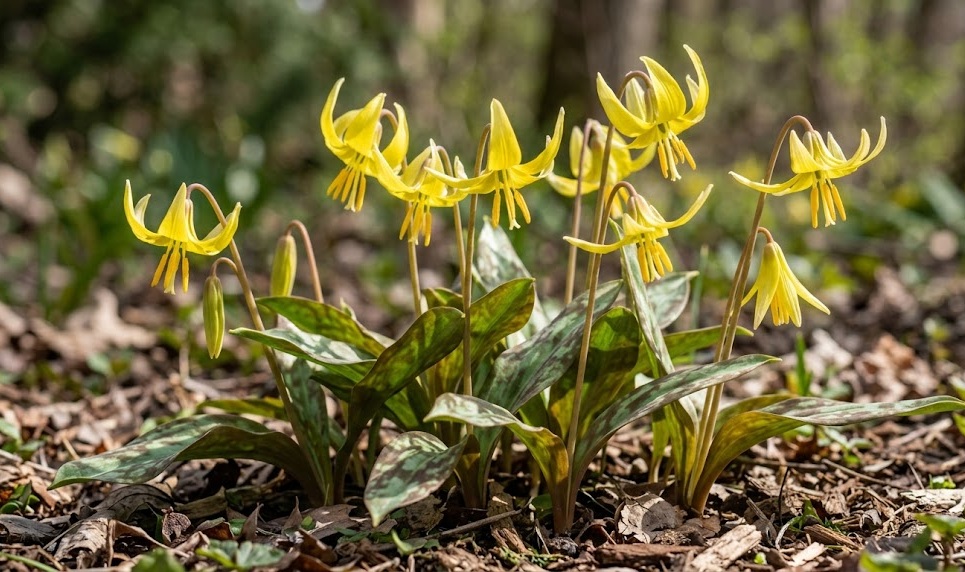

Establishing a thriving colony of dog’s tooth violet begins with the precise timing and technique of planting the bulbs into their permanent home. These plants are somewhat unique in their structural requirements, as their bulbs are more delicate than the hardy tulips or daffodils many gardeners are accustomed to handling. You must approach the planting process with a focus on preserving the moisture content of the bulb, as they do not have a protective papery skin. Successful establishment depends on a combination of proper site preparation and careful handling from the moment the bulbs arrive in your hands.
The ideal time for planting is in the early autumn, typically during September or October, while the soil still retains some warmth from the summer. You should prepare the site well in advance by digging in plenty of organic matter, such as leaf mold or composted bark, to ensure a friable texture. Because these bulbs are prone to drying out, you should plant them immediately upon receipt rather than storing them on a shelf. If immediate planting is impossible, keeping them in a cool, damp medium like peat moss or vermiculite is a necessary temporary measure.
When it comes to the actual placement, the depth and orientation of the bulb are critical factors for its future growth and survival. You should plant the bulbs approximately 10 to 15 centimeters deep, ensuring they are deep enough to stay cool during the summer but not so deep that the shoots struggle to emerge. Unlike many other bulbs, these are often elongated, and they should be placed on their sides or vertically with the pointed end facing upward. Space the bulbs about 15 centimeters apart to allow room for the foliage to spread and for future offsets to develop.
After the bulbs are nestled into the soil, you must water the area thoroughly to settle the earth and eliminate any air pockets around the roots. Adding a layer of mulch over the top of the planting site will provide further protection against temperature swings and moisture loss during the first winter. You should mark the location clearly with a stake or a label, as the plant will remain invisible underground for several months. This initial investment of effort creates the perfect environment for the bulbs to establish a strong root system before the spring growth begins.
Propagation through division
Propagating the ‘Pagoda’ variety is most effectively achieved through the division of established clumps every few years. You will notice that after several seasons, the flowering might become less vigorous, which is a clear sign that the bulbs have become overcrowded. The best time to perform this task is in the late spring or early summer, just as the foliage begins to turn yellow and go dormant. By lifting the bulbs at this stage, you can easily identify where the individual plants are located while they still have some top growth.
More articles on this topic
Carefully lift the entire clump using a garden fork, being mindful not to slice through the bulbs which are often deeper than expected. Once the clump is out of the ground, you can gently separate the small daughter bulbs, or “offsets,” from the main parent bulb. You should only separate those that come away easily, as forcing them apart can cause damage that leads to fungal infections. Each separated bulb has the potential to grow into a new, independent plant that will eventually flower in its own right.
Replanting the divided bulbs should happen as quickly as possible to prevent them from drying out in the open air. You can use this opportunity to expand your colony to new areas of the garden or to share specimens with fellow gardening enthusiasts. Prepare the new planting holes with the same care as the original site, ensuring plenty of organic material is present to support new growth. Proper division not only increases your stock of plants but also rejuvenates the older colonies, leading to more robust flowering in subsequent years.
If you find that some of the offsets are particularly small, you might consider growing them on in a dedicated nursery bed or a large pot for a year. This controlled environment allows you to monitor their moisture levels more closely and protects them from being overwhelmed by larger garden plants. Once they have reached a more substantial size, they can be moved to their final positions in the woodland garden. This patient approach ensures a higher survival rate for the smaller, more vulnerable pieces of the plant.
Cultivation from seeds
While propagation from seeds is a much slower process than division, it can be a rewarding endeavor for those interested in the long-term genetics of their garden. You should harvest the seeds as soon as the pods turn brown and begin to split open, which usually happens in early summer. Freshness is the most important factor here, as the seeds of this genus quickly lose their viability if allowed to dry out completely. Sowing them immediately into a cold frame or a dedicated seed tray is the best way to ensure successful germination.
More articles on this topic
The seed compost should be a well-draining, gritty mix that contains a high proportion of leaf mold to mimic natural forest floor conditions. You should sow the seeds thinly on the surface and cover them with a fine layer of grit or sieved compost to keep them in place. The trays must be kept in a shaded, cool spot and should never be allowed to dry out during the germination period. You must be prepared for a long wait, as it can often take several months or even a full winter for the first tiny leaves to appear.
Seedlings will spend their first few years developing a small bulb underground, often producing only a single, simple leaf each spring. You should leave the young plants in their original trays for at least two seasons to allow the bulbs to gain enough mass to handle being moved. Liquid feeding with a balanced fertilizer during the growing months can help accelerate this slow development process. It typically takes between four and five years for a plant grown from seed to reach maturity and produce its first yellow flower.
During this long juvenile phase, protecting the seedlings from pests like slugs and snails is absolutely essential for their survival. A single attack can destroy the only leaf a young bulb has for the entire year, significantly setting back its growth or killing it entirely. You should also ensure that the trays are protected from extreme weather, such as heavy downpours that might wash the tiny bulbs out of the soil. While seed propagation requires significant dedication, it offers a fascinating look into the life cycle of these beautiful woodland perennials.
Optimizing the planting site
Choosing the right location within your garden is perhaps the most significant decision you will make regarding the success of your planting project. You should look for a spot that offers “dappled shade,” which mimics the environment under a deciduous tree canopy. This provides the plants with the bright light they need in early spring before the trees fully leaf out, followed by cooling shade during the summer. Avoid areas with heavy, waterlogged clay or extremely dry, sandy soils, as neither will support healthy bulb development.
The presence of competing root systems from large trees can sometimes make planting difficult, but it also provides the structural support the soil needs. You should try to plant the bulbs in the spaces between large tree roots, where the soil is often rich in decomposed leaves and organic matter. If the ground is particularly dry due to “root thirst” from the trees, you will need to be more diligent with supplemental watering during the spring. This balance of shade and moisture is what allows the ‘Pagoda’ variety to truly thrive and naturalize over time.
Before you finalize the planting, consider the visual composition of the site and how the yellow flowers will contrast with the surrounding landscape. Planting in irregular, natural-looking groups rather than rigid rows creates a much more pleasing aesthetic that fits the woodland theme. You can also mix the bulbs with other spring-flowering species like wood anemones or early primroses for a diverse and colorful display. A well-thought-out planting plan ensures that the dog’s tooth violet becomes a seamless part of your garden’s ecological tapestry.
Finally, remember that the soil structure can change over time, so you should reassess the planting site every few years. If you notice that the ground has become compacted or that the organic matter has depleted, you can top-dress the area with fresh compost. This ongoing maintenance keeps the soil “alive” and ensures that the bulbs continue to have easy access to the nutrients and oxygen they require. By treating the planting process as an ongoing relationship with the land, you set the stage for decades of beautiful spring blooms.