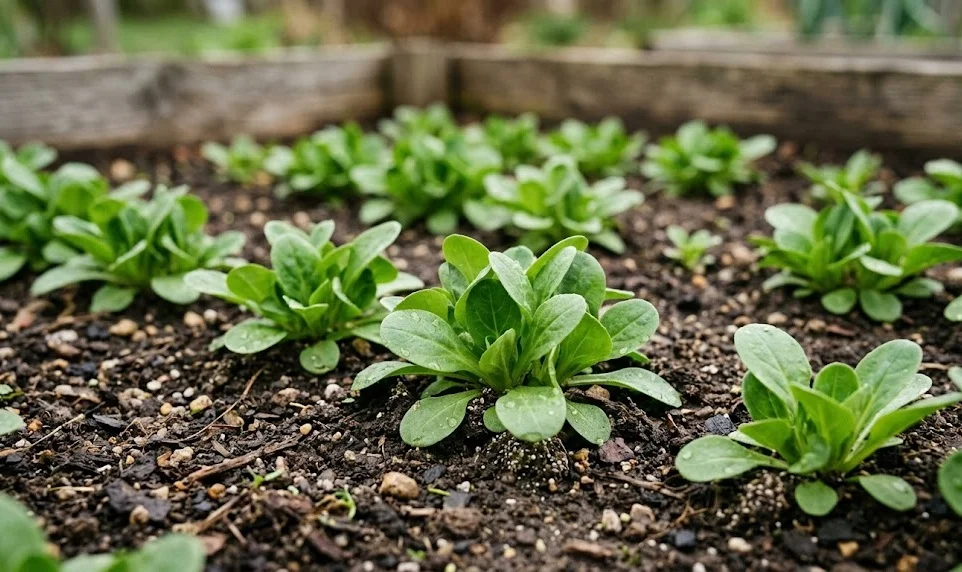

Planting and propagation of corn salad are fundamental skills for any gardener looking to extend their growing season into the colder months. This resilient plant is typically grown from seed, as its delicate root system does not always respond well to the stress of traditional transplanting. Success begins with selecting high-quality seeds and understanding the optimal timing for sowing in relation to your local climate. By following a structured approach to planting, you can ensure a dense and productive stand of greens that will provide a steady supply of nutrients.
Seed selection plays a pivotal role in determining the eventual yield and quality of the crop. It is advisable to choose varieties that are known for their cold tolerance and resistance to common mildew strains. Examining the germination rates listed on seed packets can provide a baseline for how densely the seeds should be sown. Storing seeds in a cool, dry place until they are ready for use maintains their viability and ensures a more uniform emergence across the garden bed.
Sowing methods vary depending on the available space and the desired density of the final crop. Broad sowing can create a lush carpet of greens, but it may require more thinning later to prevent overcrowding and poor airflow. Sowing in rows provides a more organized structure, making it easier to manage weeds and monitor the growth of individual plants. The seeds should be covered with only a thin layer of fine soil, as they require a specific balance of moisture and darkness to trigger the germination process.
Timing and climate are perhaps the most critical factors when planning the propagation of this particular green. Most professional growers aim for late summer or early autumn sowing to take advantage of the decreasing temperatures and increasing soil moisture. Sowing too early in the heat of summer can lead to poor germination or immediate bolting, which ruins the crop’s culinary value. Understanding the first and last frost dates for your region allows for a more precise planting schedule that maximizes the growing window.
Germination success depends heavily on maintaining consistent moisture levels in the top layer of the soil during the first two weeks. If the soil surface dries out completely, the fragile emerging radicals can perish before they establish a firm hold. Using a fine mist setting on a garden hose or a watering can with a rose attachment prevents the seeds from being washed away or buried too deeply. Once the first true leaves appear, the plants become more resilient, but they still require careful observation to ensure they are not overwhelmed by faster-growing weeds.