
Seed selection and sowing techniques
The process of establishing common tansy from seed begins with the selection of high-quality material from a reputable supplier. Starting the seeds indoors during the early spring allows for a longer growing season and a higher success rate for the young plants. The containers should be filled with a sterile seed-starting mix that provides excellent drainage and a fine texture for the small seeds. Consistency in moisture and temperature is the primary requirement for achieving a uniform germination across the entire tray.
The seeds themselves should be sown on the surface of the soil, as they require a certain amount of light to trigger the germination process. Gently pressing them into the medium ensures good contact without burying them too deeply under the surface. A clear plastic dome can be used to maintain high humidity levels during the initial stages of growth. Monitoring the trays daily will help prevent the soil from drying out or becoming overly saturated with water.
Once the first true leaves appear, the seedlings will require a bright light source to prevent them from becoming leggy and weak. Gradually introducing the young plants to outdoor conditions, a process known as hardening off, is essential before final transplantation. This step allows the delicate tissues to adjust to the intensity of the sun and the fluctuations in temperature. Professional growers always take the time to ensure their seedlings are robust enough to survive the move to the garden.
The final planting of the seedlings should take place after the danger of frost has passed and the soil has begun to warm up. Space the plants according to their expected mature size to allow for adequate air circulation and growth. Providing a light application of organic fertilizer at this stage can help the young plants establish themselves more quickly. Careful attention during the first few weeks in the ground will ensure a high survival rate for the new additions.
Division methods for established plants
Division is often the preferred method for propagating common tansy because it yields larger plants more quickly than starting from seed. The best time to perform this task is in the early spring or late autumn when the plant is not in active growth. Digging up the entire root ball allows for a clear view of the rhizomes and the points where the plant can be separated. A sharp spade or garden knife is used to divide the clump into several smaller sections, each with a healthy portion of roots and shoots.
More articles on this topic
Replanting the divisions immediately is crucial to prevent the sensitive root hairs from drying out and dying. The new planting holes should be prepared in advance with compost and a small amount of water to welcome the new segments. Firming the soil around the roots ensures that there are no large air pockets that could hinder moisture uptake. Providing consistent water after the division process helps the segments recover from the stress of being moved.
This technique is also an excellent way to rejuvenate older plants that have become sparse or less productive in the center. By removing the older sections and replanting the vigorous outer growth, the gardener can maintain a youthful and healthy display. Division should be performed every three to four years to prevent the clumps from becoming overly congested. Professional maintenance schedules always include these tasks to ensure the long-term health of the perennial borders.
Sharing the extra divisions with other gardeners is a traditional and sustainable way to expand the presence of the species in the community. Since the common tansy is so resilient, the new plants usually take hold quickly in their new environments. It is important to only share healthy material that is free from any signs of pests or diseases. This practice fosters a sense of community among horticulturists while promoting the use of hardy and reliable plant species.
Optimal timing for planting success
Timing the planting process correctly is one of the most important factors in the successful establishment of common tansy. In temperate climates, the window of opportunity usually opens as the soil begins to thaw in the early months of the year. Planting during this period allows the roots to grow and settle before the intense heat of the summer arrives. If spring planting is missed, the early autumn offers another excellent opportunity for the plants to become established before winter dormancy.
More articles on this topic
Environmental conditions such as rainfall patterns and local temperature ranges should influence the exact date of planting. Soil that is too cold or excessively wet can lead to a slow start or even the death of the young plants. It is often better to wait a week or two for the conditions to improve rather than rushing the process. A professional approach involves monitoring the local weather forecast and soil conditions closely during the planting season.
The time of day when the actual planting occurs can also have an impact on the immediate stress levels of the plants. Choosing a cloudy day or planting in the late afternoon helps reduce the amount of moisture lost through the leaves. This is particularly important for divisions or nursery-grown plants that may have a significant amount of foliage. Providing a temporary shade structure can also be helpful if the weather turns unexpectedly hot and sunny.
Establishing a clear schedule for the planting season helps ensure that all tasks are completed at the most beneficial time. Preparation of the site should be finished well in advance of the planned arrival of the seeds or plants. This organization allows the gardener to take advantage of the best weather windows as they appear throughout the spring or autumn. Successful planting is the foundation upon which all other maintenance and care efforts are built.
Initial care and establishment phase
The first few weeks after planting are a critical period during which the common tansy establishes its new root system. Consistent watering is the most important task during this phase to ensure the soil remains moist but not waterlogged. Mulching around the base of the plant can help retain this moisture and regulate the temperature of the ground. It is important to keep the mulch a few inches away from the stems to prevent any potential rot issues.
Monitoring for any signs of transplant shock is essential for a professional gardener during the establishment phase. Wilting, yellowing of the leaves, or a general lack of growth can all be indicators that the plant is struggling to adapt. Adjusting the watering schedule or providing extra protection from the elements may be necessary to support the plant. Most healthy specimens will begin to show new growth within a short period if their basic needs are being met.
Weed control is another vital aspect of initial care to prevent the young plants from being outcompeted for resources. Regularly clearing the area around the base of the tansy ensures that all available nutrients and water go to the intended species. This is also a good time to observe the local insect population and see if any pests are taking an interest in the new arrivals. Early intervention with organic methods is always preferred during the establishment of a new planting.
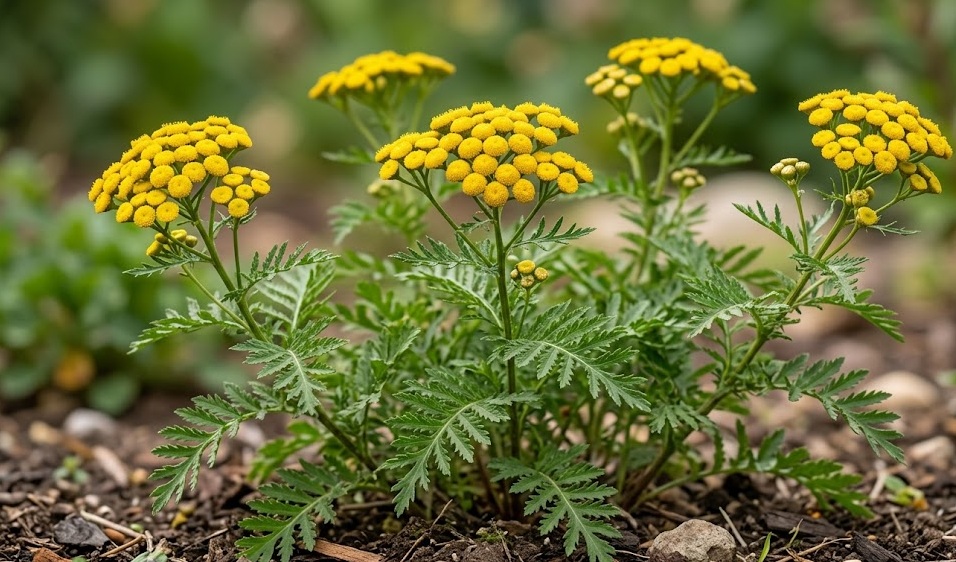
Once the plant shows steady growth and appears firmly anchored in the soil, the frequency of care can be gradually reduced. The focus then shifts toward long-term maintenance and the management of the plant’s mature form. A successful establishment phase is a clear indicator of the gardener’s skill and the plant’s inherent resilience. From this point forward, the common tansy will require much less intervention to thrive and produce its signature yellow blooms.