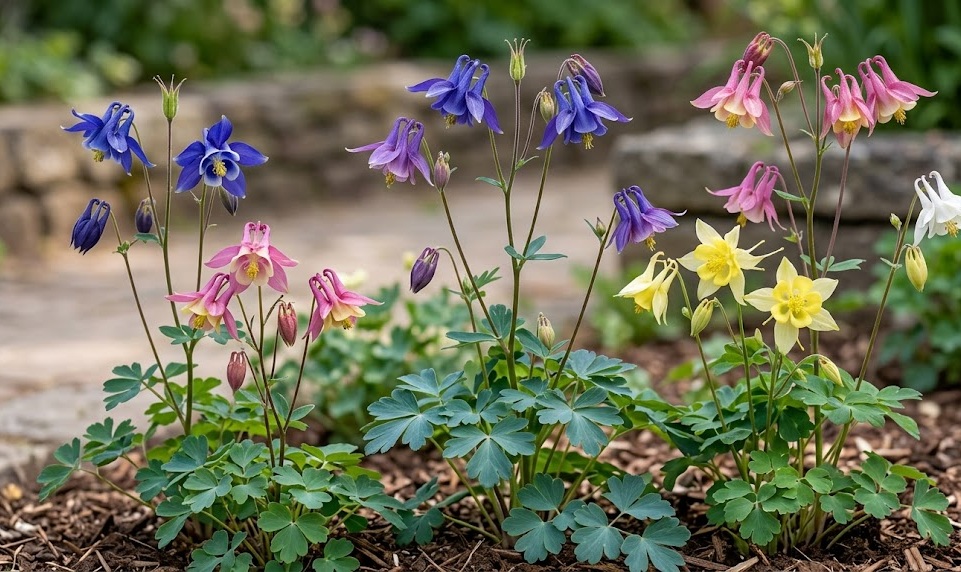

Establishing a vibrant collection of columbine begins with a strategic approach to planting and a clear understanding of their reproductive methods. These plants are uniquely adapted to various garden settings, but they show their true potential when given the right start in life. Whether you are starting from seed or transplanting established crowns, the initial steps you take will determine the resilience and beauty of the colony. This guide explores the professional techniques required to successfully introduce and multiply these elegant perennials in your personal landscape.
The art of sowing seeds from scratch
Starting columbine from seed is perhaps the most rewarding and cost-effective way to fill a garden with color. These seeds often require a period of cold stratification to break their natural dormancy and trigger germination. You can mimic winter conditions by placing the seeds in a damp paper towel inside a sealed bag in the refrigerator for several weeks. This process ensures a much higher and more uniform germination rate once the seeds are finally sown in soil.
When you are ready to sow, choose a high-quality seed-starting mix that is fine-textured and well-draining. The seeds should be pressed gently into the surface of the soil but not buried deeply, as they require some light to germinate effectively. Keep the medium consistently moist but not saturated, using a fine mist to avoid disturbing the tiny seeds. A warm, brightly lit location will encourage the first sprouts to appear within two to four weeks.
Once the seedlings have developed their first set of true leaves, they will need a bit more space to grow. Transplanting them into individual pots allows the root systems to expand without competing for nutrients and light. During this phase, it is important to provide a weak solution of liquid fertilizer to support their rapid development. Gradually hardening off the young plants by exposing them to outdoor conditions will prepare them for their final destination in the garden.
Direct sowing in the garden is also an option, particularly in the autumn when nature would naturally drop the seeds. By scattering the seeds on prepared ground before the first frost, you allow the natural winter cycle to handle the stratification process. This method often results in very hardy plants that are perfectly adapted to your local microclimate. However, you must be careful not to disturb the area in the spring until the recognizable seedlings have emerged.
More articles on this topic
Techniques for vegetative propagation
While seeds are the primary way columbines spread, vegetative propagation through division can be used for specific cultivars. It is important to note that this species has a deep taproot, which makes the process more challenging than with many other perennials. Division should only be attempted on older, multi-crowned plants that have grown quite large over several seasons. The best time for this procedure is in the very early spring before the new growth has extended significantly.
To begin the division, carefully dig around the base of the plant to lift the entire root system with as little damage as possible. Use a sharp, sterilized knife to cut through the crown, ensuring that each new section has at least one healthy bud and a portion of the root. Minimize the time the roots are exposed to the air to prevent desiccation and stress. Replanting the divisions immediately into prepared soil will give them the best chance of successful establishment.
After replanting, the new divisions will require extra attention regarding moisture levels for several weeks. They may show signs of transplant shock, such as wilting foliage, but they often recover if the soil is kept consistently damp. Providing temporary shade can also help the plant focus its energy on root repair rather than dealing with intense sunlight. Avoid fertilizing these new transplants until you see clear signs of new growth emerging from the center.
Another less common method of vegetative propagation is taking basal cuttings in the spring. This involves removing a small shoot from the base of the plant with a tiny piece of the crown attached. These cuttings can be rooted in a sterile, sandy medium under high humidity until they develop their own root systems. This technique requires more precision and environmental control but can be a useful way to clone a particularly beautiful or rare specimen.
More articles on this topic
Selecting the site and timing for success
Choosing the right location is the most critical decision you will make when introducing columbines to your garden. These plants thrive in areas that offer dappled sunlight or partial shade, especially in regions with hot summer afternoons. A spot under deciduous trees is often ideal because it provides plenty of light in early spring but protection from the mid-summer sun. The soil in this location should be well-worked and amended with organic matter to provide a hospitable environment.
Timing your planting is equally important to ensure the young plants have enough time to establish themselves before extreme weather hits. In most climates, early spring or early autumn are the windows of opportunity for successful transplanting. Spring planting allows the root system to grow as the soil warms up, while autumn planting takes advantage of the cooling air and warm soil. Avoid planting during the heat of mid-summer, as the stress of high temperatures can be fatal to young or newly moved plants.
Before putting the plants in the ground, take the time to prepare the planting holes so they are significantly wider than the root balls. This loose soil encourages the roots to spread out horizontally as they begin to anchor themselves. Mixing in a small amount of bone meal or a starter fertilizer can provide the phosphorus needed for strong root development. Ensure that the plant is set at the same depth it was growing in its previous container to avoid crown rot.
Consider the surrounding plants when deciding on the final spacing for your columbines. They should be placed about 12 to 18 inches apart to allow for mature spread and adequate air circulation. If they are planted too densely, they may compete for resources and become more susceptible to foliar diseases. A well-planned layout considers not just the immediate appearance but how the garden will look as the plants reach their full size.
Long term establishment and care
The first year after planting or propagation is a critical period for establishing a healthy and resilient colony. During this time, the primary goal is to encourage deep root growth rather than heavy top growth or flowering. Regular watering is essential, especially during dry spells, to ensure the soil never completely dries out around the young roots. A layer of mulch will help maintain these moisture levels and suppress weeds that might compete for nutrients.
As the plants become more established, you will notice them starting to interact with their environment more independently. They may begin to drop seeds in the surrounding soil, which is a sign that they are truly at home in your garden. You can choose to leave these seedlings where they fall or gently move them to new locations as they grow. This natural expansion is one of the most delightful aspects of growing this species over many years.
Monitoring the site for changes in light and soil quality will help you maintain the colony’s health over the long term. If nearby trees grow and create too much shade, you might need to thin the canopy or move the plants to a sunnier spot. Conversely, if a protective shrub is removed, you may need to provide new sources of shade. Staying attentive to these environmental shifts ensures that your columbine patch remains a highlight of your garden.
Finally, remember that patience is a virtue when working with plants that have a distinct lifecycle like columbine. It may take a year or two for seed-grown plants to produce their first significant bloom, but the wait is well worth it. By following professional planting and propagation techniques, you create a foundation for years of botanical beauty. Your garden will reward your careful preparation with a spectacular display of delicate, nodding flowers every spring.