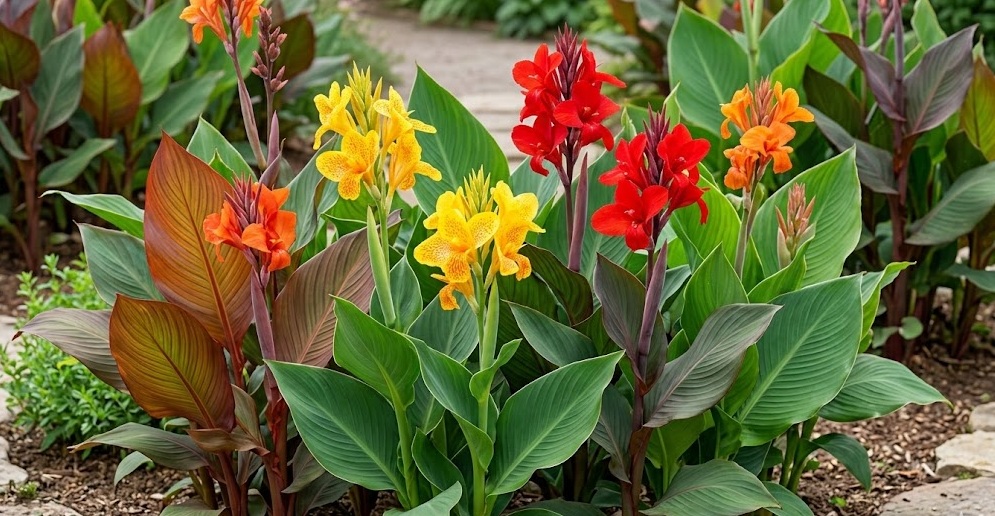

The process of establishing a new generation of these vibrant plants begins with careful planning and a deep understanding of their reproductive biology. You must choose the right moment to start your planting activities to ensure that the delicate tissues are not exposed to cold temperatures. Whether you are working with dormant rhizomes or starting from seeds, precision in your technique will yield the best results. This article explores the professional methods for successfully planting and multiplying your collection.
The timing of planting is perhaps the most critical factor for ensuring a strong start in temperate climates. You should wait until the soil temperature consistently reaches at least fifteen degrees Celsius before placing rhizomes in the ground. If you start too early in cold, wet soil, the risk of the rhizome rotting becomes significantly higher. Many professionals choose to start their plants in pots indoors a few weeks before the last expected frost.
Selecting the ideal location requires a balance between sun exposure, wind protection, and soil quality. You should find a spot that receives at least six to eight hours of direct sunlight every day for optimal growth. The soil needs to be loose and enriched with plenty of organic material to support rapid root development. Avoiding areas where water tends to collect after heavy rain will protect the rhizomes from fungal issues.
When you are ready to put the plants in the ground, proper spacing is essential for future health and airflow. You should leave at least thirty to sixty centimeters between each plant, depending on the final size of the variety. Digging a hole about ten to fifteen centimeters deep provides enough space for the rhizome to sit comfortably. Placing the rhizome horizontally with the growing points or eyes facing upward ensures a quick emergence.
Methods for successful propagation
Dividing the rhizomes is the most common and effective way to increase your stock of specific named varieties. You should perform this task in the early spring just as the first signs of growth begin to appear. Using a clean, sharp knife allows you to make precise cuts that heal quickly and reduce the risk of infection. Each division must contain at least one or two healthy growing points to be successful.
More articles on this topic
After making the cuts, many experts recommend allowing the sections to dry for a day to form a callus. You can also dust the cut surfaces with a fungicide or wood ash to provide an extra layer of protection. This simple step significantly reduces the chances of soil-borne diseases entering the fresh wounds of the plant. Once the surface is dry, the new sections are ready to be planted in their permanent or temporary homes.
Propagating from seeds is an exciting way to discover new variations, although it requires more patience and specific techniques. You should know that the seeds have an incredibly hard coat that must be breached to allow for germination. Scarifying the seed with sandpaper or a small file helps the water penetrate and trigger the internal growth process. Soaking the treated seeds in warm water for twenty-four hours further accelerates the transition from dormancy.
Once the seeds show signs of swelling, they should be planted in a high-quality seed-starting mix and kept warm. You need to maintain a consistent temperature of around twenty-five degrees Celsius for the best germination rates. The young seedlings will require bright light immediately after they emerge to prevent them from becoming leggy and weak. With proper care, these young plants can often produce their first flowers within the very same growing season.
Optimizing the planting environment
Preparing the planting bed involves more than just digging a hole; it requires creating a hospitable ecosystem. You should incorporate a balanced base fertilizer into the soil at the time of planting to provide immediate nutrients. Adding a layer of compost at the bottom of the hole gives the new roots a rich medium to explore. Ensuring the soil is moist but not saturated at the time of planting encourages the first delicate roots to grow.
More articles on this topic
The depth at which you plant the rhizomes can influence the stability and performance of the adult plant. You should avoid planting too shallow, as the heavy stems may tip over once they reach their full height. Conversely, planting too deep can delay the emergence of the shoots and may lead to poor flowering. Finding the middle ground ensures that the plant is well-anchored while still being able to reach the surface easily.
If you are planting in containers, the choice of the pot and the potting medium is of the utmost importance. You should select a large, heavy container that won’t tip over when the tall foliage catches the wind. Using a professional-grade potting mix that includes moisture-retaining polymers can be very helpful for these thirsty plants. Ensure that the container has adequate drainage holes to prevent the accumulation of excess water at the bottom.
After the initial planting, you should water the area thoroughly to settle the soil around the rhizomes and eliminate air pockets. You may want to mark the spot where each plant is buried to avoid accidental damage during subsequent garden activities. Applying a thin layer of mulch can help maintain a stable environment while the plant is establishing its root system. Patience is required during the first few weeks as the plant focuses its energy on underground development.
Post planting care and establishment
During the first few weeks after planting, the focus should be on maintaining consistent soil moisture without overwatering. You should check the soil daily to ensure that it doesn’t dry out completely, especially during warm spring days. The emergence of the first green shoots is a sign that the root system is beginning to function effectively. Avoid the temptation to apply heavy fertilizers until you see significant leaf development above the ground.
As the plants grow taller, you should monitor their stability and provide support if the variety is known for reaching great heights. You might notice that some plants grow faster than others even if they were planted at the same time. This variation is normal and often depends on the size and energy reserves of the original rhizome piece. Keeping the area free of weeds reduces competition and allows the young plants to thrive without stress.
If you have started your plants indoors, the process of hardening them off is a vital step before final transplanting. You should move the pots outdoors for a few hours each day, gradually increasing their exposure to direct sunlight. This process toughens the leaf tissues and prepares the plant for the fluctuating conditions of the outdoor garden. Neglecting this step often results in sunburnt leaves and a significant setback in the plant’s growth.
Successful establishment is marked by the appearance of multiple stems and a vigorous expansion of the foliage. You should begin a regular feeding program once the plant is about thirty centimeters tall and growing actively. This support ensures that the plant has the resources needed to produce its first flower spikes in mid-summer. A well-established plant will continue to grow and expand its rhizome clump throughout the entire season.