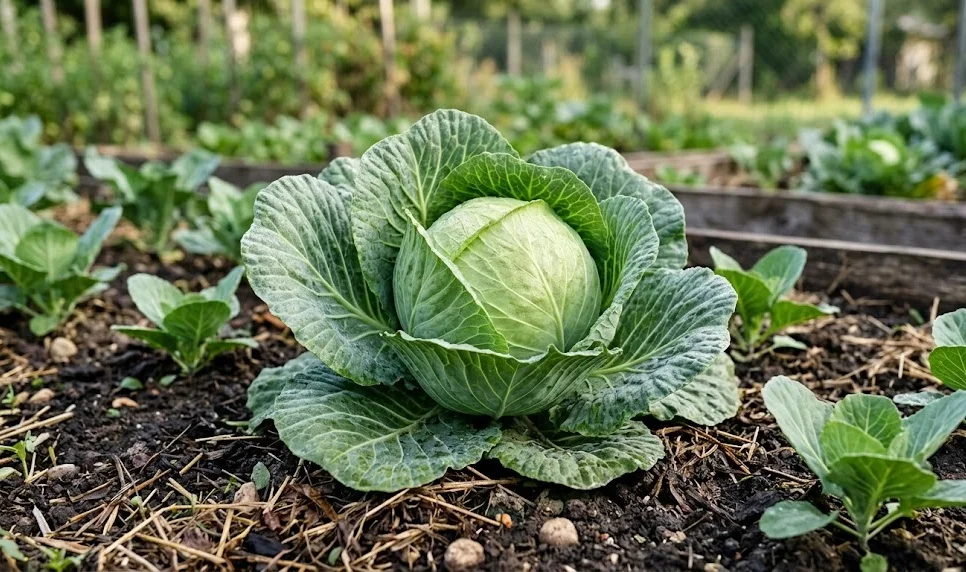

The journey of a cabbage from a tiny seed to a robust and heavy head begins with a meticulously planned planting strategy that respects the plant’s biological clock. You must decide whether to start your seeds indoors or sow them directly into the soil, a choice that largely depends on your local climate and the length of your growing season. Starting indoors offers you greater control over the germination environment, protecting the vulnerable seedlings from unpredictable spring frosts and heavy rains. This initial phase of propagation is critical because the vigor of the young plant determines its ability to withstand the challenges of the open garden later on.
When you choose to start seeds in trays, the quality of the seed-starting mix is paramount for developing a strong and healthy root system. You should use a sterile, well-draining medium that provides just enough structure for the roots to grip without becoming compacted over time. Maintaining a consistent temperature of around twenty degrees Celsius will encourage rapid and uniform germination across all your planting cells. It is exciting to see the first green loops emerge from the soil, signaling the successful start of a new generation of vegetables in your care.
As soon as the seedlings show their first true leaves, they require an intense and consistent source of light to prevent them from becoming leggy or weak. You should position your grow lights just a few centimeters above the plants, adjusting the height as they grow to maintain the optimal intensity. This close proximity ensures that the stems grow thick and sturdy, which is essential for supporting the heavy weight of the cabbage head in the future. Proper light management during this stage is a professional technique that separates successful growers from those who struggle with fragile plants.
Watering during the propagation phase must be handled with extreme delicacy to avoid the common pitfall of damping off, a fungal issue that can wipe out entire trays. You should water from the bottom by allowing the trays to soak up moisture, which keeps the surface of the soil dry and discourages pathogens. This method also encourages the roots to grow downward in search of water, creating a more extensive and resilient root network. Monitoring the moisture levels daily ensures that the young plants never experience the stress of a complete dry-out, which could stunt their long-term growth.
Hardening off for outdoor success
The transition from the protected indoor environment to the harsh reality of the outdoor garden is a process known as hardening off. You should begin this journey by moving your young cabbage plants to a sheltered spot outside for just a few hours during the warmest part of the day. This gradual exposure allows the plant tissues to thicken and develop a protective waxy layer that guards against wind and direct sunlight. It is a vital step that prevents the shock that often kills seedlings if they are moved too abruptly from the indoors to the field.
More articles on this topic
Over the course of a week, you should slowly increase the duration and intensity of the outdoor exposure, eventually leaving the plants out overnight if temperatures remain mild. Monitoring the weather forecast during this time is essential to ensure that a sudden late frost does not undo all your hard work. You will notice that the plants begin to take on a sturdier appearance and the green color of the leaves may even deepen as they adapt. This professional approach to acclimation ensures that your cabbage enters the main growing season with the highest possible chance of survival.
During this period, you should also pay attention to the hydration levels, as the outdoor wind can dry out small pots much faster than the indoor air. Keep the seedlings well-watered but avoid fertilizing them during the hardening process, as you want to encourage structural strength rather than rapid, soft growth. If the plants show signs of wilting, bring them back inside or provide temporary shade until they recover their strength. This careful observation and adjustment are what distinguish an experienced gardener who understands the physical limits of their crops.
By the end of the hardening-off period, your cabbage plants should be resilient enough to withstand the typical conditions of your garden without any additional protection. They are now ready to be transplanted into their final positions where they will spend the rest of the season developing their edible heads. This preparation phase is the most labor-intensive part of propagation, but it is the foundation upon which your entire harvest is built. Taking the time to do it correctly will save you from the frustration of losing plants later in the season when they are much harder to replace.
Mastering the transplanting process
Transplanting is a high-stakes moment in the life of a cabbage, as the plant must quickly establish itself in a new environment to continue its growth. You should prepare the planting holes in advance, ensuring they are deep enough to accommodate the entire root ball without bending or crowding the roots. Mixing a small amount of balanced organic fertilizer into the bottom of each hole provides an immediate nutrient boost for the recovering plant. This thoughtful preparation helps the cabbage overcome transplant shock and begin exploring the surrounding soil for moisture and minerals right away.
More articles on this topic
The ideal time to transplant is during an overcast day or in the late afternoon to minimize the stress of direct sunlight on the newly moved seedlings. You should handle each plant by the root ball or the leaves rather than the delicate stem, which can easily be crushed or damaged. Firming the soil gently around the base of the plant removes air pockets and ensures good contact between the roots and the earth. This physical stability is necessary for the plant to begin the process of hydraulic reconnection with the soil’s water supply.
Spacing your cabbage correctly during transplanting is essential for ensuring that each plant has enough room to reach its full potential. You should allow at least forty to fifty centimeters between plants, depending on the specific variety and its expected final size. This generous spacing facilitates proper airflow and allows you to move between the rows for maintenance without damaging the spreading leaves. It also reduces competition for soil nutrients, ensuring that every plant has access to the resources it needs to produce a large and dense head.
Immediately after transplanting, you should give each plant a thorough watering to settle the soil and provide immediate hydration to the roots. Some growers also use a weak seaweed solution at this stage to provide hormones that encourage rapid root development and stress recovery. Watching the plants over the next few days will tell you if the transplanting was successful, as the leaves should remain turgid and begin to show new growth within a week. This successful transition marks the beginning of the most productive phase of your cabbage garden’s life cycle.
Vegetative propagation and seed saving
While most cabbage is grown from seed, you can also explore vegetative propagation techniques as a way to extend your harvest or preserve a specific plant’s genetics. If you leave the stump in the ground after harvesting the main head, you will often see small secondary heads, known as “cabbage sprouts,” forming along the stem. These can be harvested for food, or in some cases, removed and rooted in a moist medium to grow into entirely new plants. This method is a fascinating way to observe the plant’s natural drive to survive and reproduce even after its primary purpose is fulfilled.
If you are interested in saving seeds for future seasons, you must understand that cabbage is a biennial plant that only flowers in its second year of growth. This means you must successfully overwinter a healthy plant and protect it from freezing temperatures that would kill the crown. In the spring, the plant will send up a tall flower stalk with bright yellow blossoms that are highly attractive to bees and other pollinators. Allowing this natural process to occur provides you with a direct connection to the life cycle of your food and a source of locally adapted seeds.
To ensure the purity of your saved seeds, you must be aware that different varieties of the same species can cross-pollinate quite easily. If you are growing multiple types of cabbage or related vegetables like kale and broccoli, you may need to use isolation cages or time your plantings to prevent crossing. Once the seed pods turn brown and dry on the stalk, you can harvest them and thresh the small black seeds for storage. This traditional practice allows you to develop a strain of cabbage that is perfectly suited to the unique conditions of your own garden over several generations.
Storing your saved seeds in a cool, dry, and dark place will maintain their viability for several years, giving you a reliable source of planting material. You should clearly label each container with the variety name and the date of harvest to keep your seed collection organized and professional. Sharing these seeds with other local gardeners can help build a resilient community and preserve rare or heritage varieties that might otherwise be lost. This final stage of propagation completes the circle of growth and prepares you for the beginning of the next successful gardening season.