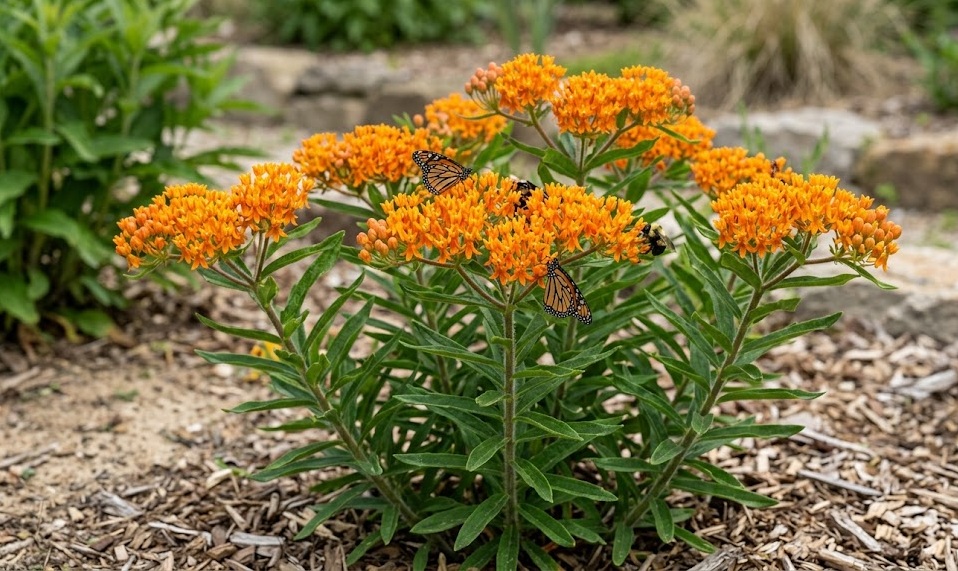

Successful establishment of this species begins with a strategic approach to both timing and site preparation. Because the plant develops a significant taproot, choosing a permanent location is the most important decision a gardener will make. Unlike many fibrous-rooted perennials, this one does not tolerate being moved once it has matured into its space. Planning for a long-term presence in the garden ensures that the plant can reach its full majestic potential.
The site selection process must prioritize maximum solar exposure and exceptional soil drainage. These plants are native to open fields and roadsides where they receive unobstructed sunlight for the majority of the day. If the planting site is too damp, the fleshy roots will quickly succumb to fungal pathogens and decay. Testing the soil texture before planting will save a significant amount of effort and potential disappointment in the future.
Starting from seed is often considered the most effective way to propagate this particular milkweed relative. The seeds require a period of cold stratification to break their natural dormancy and trigger uniform germination. You can achieve this by sowing them directly in the garden during the autumn months for natural chilling. Alternatively, placing seeds in a damp paper towel inside the refrigerator for several weeks mimics this essential winter process.
Once the seeds have been stratified, they should be sown in a light, sterile seed-starting mix. It is important to cover them only slightly, as they need a bit of light to stimulate the emerging embryos. Keep the medium consistently moist but never waterlogged to prevent the delicate seedlings from damping off. As soon as the first true leaves appear, provide plenty of light to prevent the stems from becoming weak and elongated.
Transitioning and expanding your collection
Transplanting seedlings requires a gentle touch to avoid damaging the sensitive primary root that is already forming. It is best to move them to their final garden home when they are still relatively small, usually around three inches tall. Dig a hole that is deep enough to accommodate the entire length of the root without bending or cramping it. Firm the soil gently around the base and water thoroughly to settle the earth and remove any air pockets.
More articles on this topic
Root division is another method of propagation, though it is considerably more challenging than growing from seed. If you must divide an existing clump, it is best to do so in the early spring just as the first buds appear. Use a sharp, sterilized spade to cut through the crown, ensuring that each piece has at least one viable growth point. Immediately replant the divisions and provide extra care during their initial recovery period to reduce transplant shock.
Cuttings can also be taken from the soft wood in the late spring if you wish to create clones of a specific plant. Select a healthy, non-flowering stem and remove the lower leaves before dipping the end into a rooting hormone. Place the cutting in a well-draining medium and maintain high humidity around the foliage until roots begin to form. This method requires patience and precision but can be a rewarding way to increase your inventory of prized specimens.
The establishment phase in the garden usually takes about two full growing seasons to complete. During this time, the plant is focusing most of its energy on subterranean development rather than upward growth. You may not see a massive display of flowers in the first year, but this is a normal part of the process. Once the taproot is fully functional, the plant will reward your patience with decades of reliable and spectacular performance.