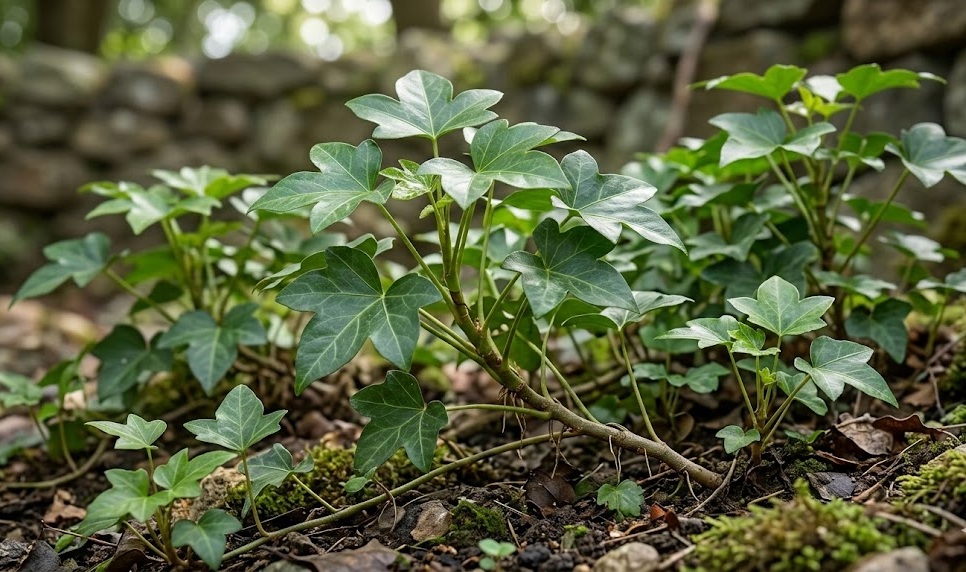

Starting your journey with a tree ivy begins with the crucial step of planting it correctly in a suitable environment. This hybrid plant thrives when its initial setup provides the right balance of stability, drainage, and nutritional support. Many gardeners find that taking the time to prepare the container and soil properly leads to much faster establishment and fewer problems later on. Whether you are a beginner or an experienced horticulturist, understanding the fundamentals of planting is the first key to success.
When you first bring your plant home, it is often best to let it acclimate to your indoor environment for a week before repotting. This waiting period allows the plant to recover from the stress of transport and get used to the specific light and humidity levels in your space. Once the plant seems settled, you can proceed with selecting a pot that offers excellent drainage and enough room for future growth. A terracotta or ceramic pot is often preferred for its weight, which helps stabilize the tall, top-heavy stems as they develop.
The depth at which you plant the tree ivy is vital for the health of the main stem and the root crown. You should aim to keep the plant at the same soil level it was in its original nursery container to avoid burying the stem too deep. If the stem is buried, it can become susceptible to rot, while planting it too high can cause the roots to dry out. Gently firming the soil around the base provides the necessary support while ensuring that there are no large air gaps in the root zone.
Immediately after planting, a thorough watering is necessary to settle the soil particles around the roots and eliminate air pockets. Use room-temperature water and continue pouring until it begins to drain freely from the bottom of the pot. Place the newly planted ivy in a bright but indirectly lit spot, away from harsh afternoon sun or strong drafts. This careful introduction to its new home will set the stage for a long and healthy life as a centerpiece in your plant collection.
Techniques for successful propagation
Propagating tree ivy is a rewarding way to expand your collection or share this unique hybrid with fellow gardening enthusiasts. The most common and effective method is using stem cuttings, which can be taken during the active growing season in spring or early summer. Selecting a healthy, vigorous stem with several nodes will give you the best chance of successful rooting. It is fascinating to watch a small cutting transform into a completely independent plant with its own root system over just a few weeks.
More articles on this topic
To prepare a cutting, use a sharp, sterilized knife or shears to take a piece of stem about ten to fifteen centimeters long. Remove the lower leaves to expose at least two nodes, as this is where the new roots will most likely emerge. If the cutting has very large leaves, you can trim them in half to reduce moisture loss through transpiration during the rooting process. This simple trick helps the cutting focus its limited energy on developing roots rather than maintaining a large amount of foliage.
While tree ivy can sometimes root in water, placing the cuttings directly into a moist, airy substrate often produces stronger root systems. A mixture of perlite and peat or a dedicated seed-starting mix provides the ideal environment for delicate new roots to grow. You can dip the cut end into a rooting hormone powder to speed up the process, though this is not strictly necessary for this particular hybrid. Keep the cuttings in a warm, humid environment with bright, indirect light to encourage steady development.
To maintain high humidity around the cuttings, you can cover the pot with a clear plastic bag or place it inside a propagation dome. Be sure to ventilate the cover daily to prevent the buildup of mold or excessive condensation on the leaves. Within four to six weeks, you should notice signs of new growth, which indicates that roots have successfully formed. Once the root system is well-established, you can gradually acclimate the young plant to normal room conditions before moving it to its permanent pot.
Optimal rooting environments and media
The choice of rooting media can make a significant difference in the speed and success rate of your propagation efforts. A medium that is too heavy will hold too much water and starve the developing roots of oxygen, leading to rot. Conversely, a medium that dries out too quickly will stress the cutting before it has a chance to establish itself. Many professional growers prefer a 50/50 mix of perlite and vermiculite because it offers the perfect balance of aeration and moisture retention.
More articles on this topic
Temperature is another critical variable when trying to encourage root growth in stem cuttings. A consistent bottom heat of around 20 to 22 degrees Celsius can significantly accelerate the cellular activity required for root initiation. You can achieve this by using a specialized seedling heat mat placed under the propagation tray or pot. Avoid placing the cuttings in a cold area, as low temperatures can stall the process and increase the likelihood of fungal infections.
Light quality also plays a role in how quickly a cutting will transition into a self-sustaining plant. While you should avoid direct sunlight, which can quickly overheat and dehydrate a cutting, a bright location is essential. A north-facing window or a spot several feet away from a bright east-facing window usually provides the right intensity. If natural light is limited, a simple LED grow light can provide the necessary spectrum to keep the cutting healthy and active.
Consistency in moisture levels is perhaps the most challenging part of propagation for many indoor gardeners. The medium should feel like a wrung-out sponge—moist to the touch but not dripping with water when squeezed. Checking the cuttings daily will help you catch any issues before they become fatal to the young plants. Over time, you will develop a feel for the right conditions, making the propagation of tree ivy a routine and successful part of your gardening hobby.
Establishing and caring for young plants
Once your cuttings have developed a robust root system, the next phase is to successfully transition them into independent growth. This “hardening off” process involves slowly exposing the young plants to lower humidity and more variable temperatures. Start by removing the propagation cover for a few hours each day, gradually increasing the time over the course of a week. This allows the delicate leaves to develop a thicker cuticle, which helps the plant better manage its own moisture levels.
When you are ready to pot the young ivy into its first individual container, choose a small pot that matches the size of its root ball. Using a pot that is too large can lead to “over-potting,” where the excess soil stays wet for too long and damages the new roots. Use a high-quality, well-draining potting mix and be very gentle when handling the young, fragile root system. This is a critical moment in the plant’s life, and a gentle touch will prevent unnecessary transplant shock.
After the initial potting, the young tree ivy will need regular attention to ensure it stays on the right track. Continue to provide bright, indirect light and keep the soil consistently moist but never waterlogged. You can begin a very light fertilization routine once you see significant new leaf growth appearing. Use a balanced liquid fertilizer diluted to half or even quarter strength to avoid burning the sensitive young roots.
As the young plant grows, you may want to start thinking about its future shape and support system. Even at a small size, a thin bamboo skewer can help keep the main stem growing straight and upright. If you want a bushier plant, you can pinch out the very top growing tip once the plant has four or five sets of leaves. This encourages the plant to produce side branches early on, leading to a more attractive and full-grown specimen in the future.