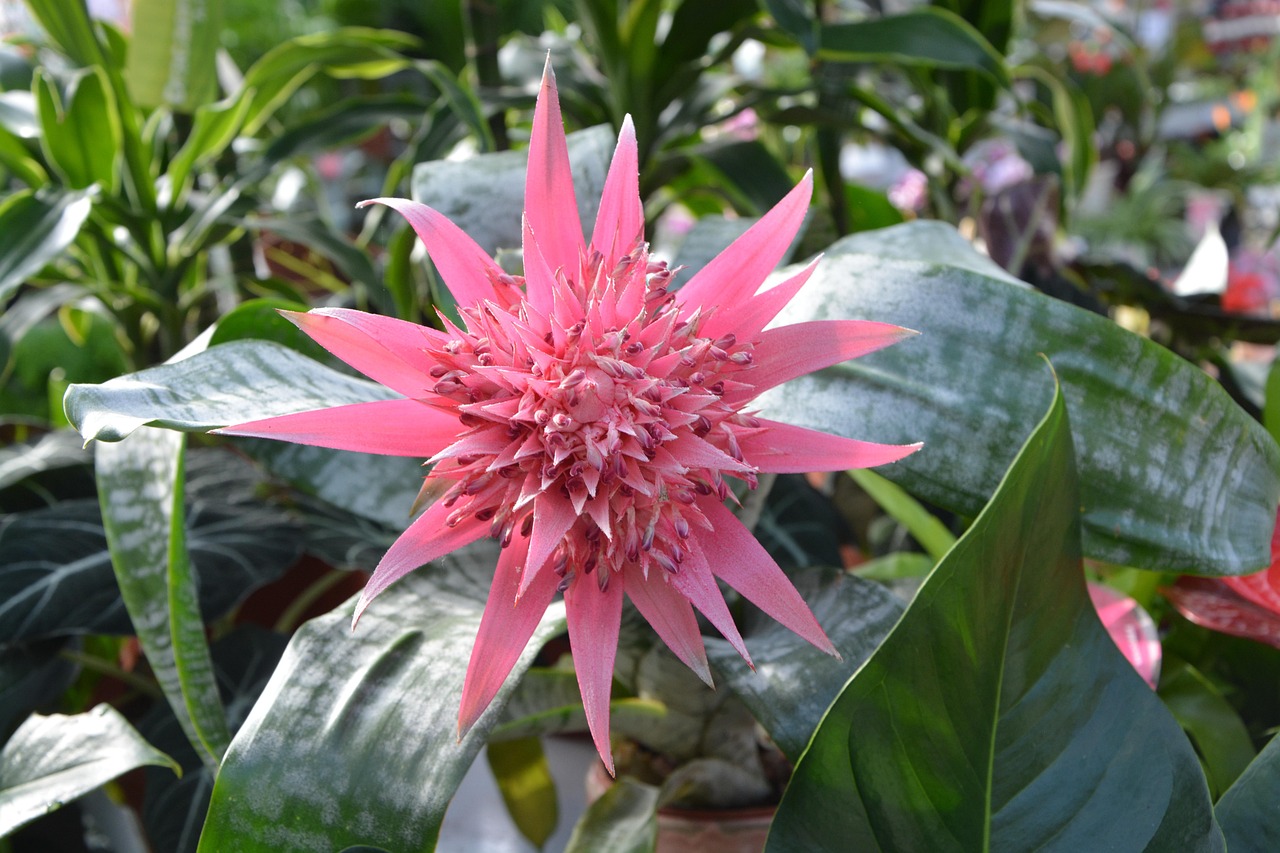

The successful establishment of a silver vase plant starts with choosing the right substrate and container to match its epiphytic needs. Unlike traditional houseplants, this bromeliad does not grow in typical garden soil but requires a mix that mimics its natural home on tree branches. Providing a stable foundation allows the plant to develop a compact root system that primarily serves as an anchor. Following professional planting techniques will ensure your specimen has the best start possible in your indoor collection.
When selecting a potting medium, look for materials that prioritize drainage and aeration above all else. A high-quality orchid bark mix combined with perlite and some peat moss is usually the best choice for these plants. This combination allows water to flow through quickly while retaining just enough moisture to keep the roots hydrated. Avoid using standard potting soil, as it holds too much water and will likely cause the base to rot.
The choice of container is equally important for the long-term health of your silver vase plant. Terra cotta pots are excellent because they are porous and allow the potting medium to breathe more effectively than plastic. However, they can dry out faster, so you must monitor the moisture levels more closely if you live in a dry climate. Ensure the pot has a large drainage hole at the bottom to prevent any water from pooling around the roots.
Repotting should only be done when the plant has clearly outgrown its current container or the substrate has broken down. Because these plants have relatively small root systems, they do not need frequent upsizing of their pots. In fact, a slightly snug pot often helps the plant feel more secure and can encourage better growth habits. Aim to refresh the potting medium every two years to ensure the roots always have access to fresh air.
The art of separating offsets
Propagation of the silver vase plant is most commonly achieved through the removal and potting of the pups that grow at the base. These offsets are clones of the mother plant and are the easiest way to expand your collection or share with friends. Before you begin the separation process, ensure the pups have reached at least five or six inches in height. They also need to have developed some of their own small roots to survive independently.
More articles on this topic
To remove a pup, you will need a sharp, sterilized knife or a pair of high-quality garden shears. Gently pull the leaves of the mother plant aside to get a clear view of where the pup is attached. Make a clean, vertical cut as close to the mother plant as possible without damaging her main stem. It is helpful to have a bit of the hardened base attached to the pup to support its initial growth.
Once the pup is removed, it is a good idea to let the cut surface dry for a few hours before planting. This allows a callus to form, which acts as a barrier against soil-borne pathogens and rot. You can also dip the cut end in a bit of rooting hormone or cinnamon powder to encourage faster root development. While not strictly necessary, these extra steps can increase your success rate significantly when dealing with younger offsets.
Prepare a small pot with the same airy potting mix you use for adult silver vase plants. Insert the pup just deep enough into the mix so that it stands upright without falling over. You might need to use a small wooden stake or some floral wire to keep the young plant stable until its roots take hold. Water the central urn of the pup lightly but keep the potting medium only slightly damp during the first few weeks.
Initial care for newly potted plantlets
The first few months of a pup’s independent life are critical for its future development and flowering potential. Place the newly potted plant in a spot with bright, indirect light but avoid any direct sun that could stress the young leaves. The humidity should be kept slightly higher than usual during this phase to help the plant recover from the separation. Misting the leaves once a day can provide that extra boost of moisture the young plant needs.
More articles on this topic
Check the central reservoir frequently to make sure it contains clean water, but do not overfill it initially. The young plant needs to focus on growing roots, and too much water in the urn can sometimes cause the center to become heavy and tilt. As the roots grow and anchor the plant, you will notice the leaves becoming firmer and more upright. This is a clear sign that the pup has successfully transitioned to its own root system.
Avoid using any fertilizer on newly separated pups for at least the first three to four months of growth. Their delicate roots can be easily burned by high concentrations of salts and minerals found in commercial fertilizers. Let the plant establish itself naturally using the nutrients already present in the fresh potting medium. Once you see significant new leaf growth in the center, you can begin a very diluted feeding schedule.
Watch for any signs of transplant shock, such as wilting or a sudden change in leaf color. If the plant looks stressed, move it to a slightly cooler and shadier location until it regains its strength. Most silver vase pups are very resilient and will adapt to their new environment within a few weeks. With a little patience, your small offset will soon become a beautiful centerpiece in your home.
Choosing the best location for planting
The placement of your silver vase plant after repotting or propagation can dictate its growth rate and health. Think about the natural vertical layers of a rainforest when deciding where to put your plant in the house. A spot near an east-facing window often provides the perfect balance of gentle morning light and afternoon shade. Avoid dark corners where the plant might struggle to produce the energy it needs for the next bloom.
If you are planting several specimens together in a large container, give each one enough space for air to circulate between the leaves. Overcrowding can lead to pest infestations and makes it harder to water the central reservoirs effectively. A large, shallow bowl can be used to create a stunning bromeliad display that mimics a natural colony. Just ensure that the arrangement allows you to reach the center of each individual plant easily.
Consider the height of the plant when choosing a pot and a location, as adult specimens can become quite tall and wide. A top-heavy plant on a high shelf can easily be knocked over, spilling water and damaging the silver leaves. Lower tables or dedicated plant stands are often the safest and most aesthetically pleasing options for these architectural plants. This also makes it much easier to look down into the urn to check the water levels.
Finally, keep your plants away from direct heat sources like radiators or fireplaces, which can rapidly dry out the potting medium. The dry air from heating systems can cause the silver vase plant to lose moisture faster than it can absorb it. If you must place a plant near a heater, use a large humidity tray or a room humidifier to compensate. Finding the right balance of light, air, and moisture is the secret to a thriving bromeliad collection.