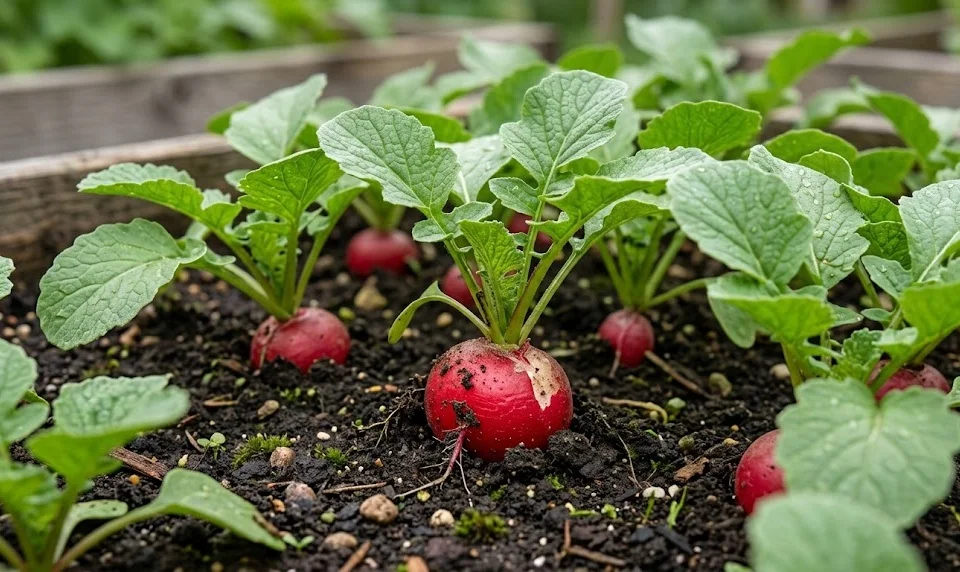

Successful radish cultivation begins with a well-thought-out planting strategy that takes into account the specific needs of the seeds. You must select a location that receives ample sunlight while also providing well-drained and nutrient-rich soil for the plants. The timing of your planting is equally important as radishes thrive in the cooler temperatures of the transition seasons. By focusing on these fundamental elements, you create an environment where your seeds can germinate quickly and grow into healthy crops.
Site preparation is the first physical step you need to take before any seeds ever touch the ground in your garden. You should clear the area of all debris and existing weeds that might interfere with the young radish seedlings. Digging the soil to a depth of at least six inches ensures that the roots can grow downward without resistance. Adding a small amount of balanced fertilizer at this stage provides an immediate boost for the emerging plants.
Seed selection is a personal choice that depends on your taste preferences and the time of year you are planting. You should look for high-quality seeds from reputable suppliers to ensure a high germination rate in your garden beds. There are countless varieties available ranging from the classic round red radish to long, white icicle-shaped types. Trying out a few different varieties each year will help you discover which ones perform best in your specific climate.
Consistency in the planting process helps to ensure a uniform crop that is easy to manage throughout the season. You should aim for a steady hand when distributing the seeds along the rows to avoid creating clusters of plants. If you find it difficult to handle the small seeds, you can use a seed dispenser or tape to help with spacing. Taking your time during the planting phase saves you a lot of effort when it comes to thinning later on.
Sowing depth and spacing
The depth at which you sow your radish seeds directly affects how quickly and successfully they will emerge from the soil. You should aim to plant the seeds about half an inch deep in the prepared garden bed. If they are planted too deep, the tiny sprouts may run out of energy before they reach the light. Conversely, seeds planted too shallowly can dry out or be washed away by heavy rainfall or watering.
More articles on this topic
Spacing between the seeds is a critical factor that determines the eventual size of each individual radish root. You should leave about one to two inches of space between each seed within the planting row itself. This initial spacing reduces the amount of thinning you will need to do once the plants start to grow. It also ensures that each plant has enough room to expand its foliage without shading its neighbors too much.
The distance between the rows is just as important for your overall garden organization and ease of maintenance. You should space your rows about eight to twelve inches apart to allow for comfortable walking and weeding. This gap provides enough room for you to use a hoe or other tools without accidentally damaging the developing radish plants. Clear paths also improve the airflow throughout the garden which helps to prevent various fungal diseases.
Using a ruler or a marked garden stake can help you maintain precision during the sowing process in your vegetable beds. You might find it helpful to create small furrows in the soil before dropping the seeds into their designated spots. Once the seeds are in place, gently cover them with loose soil and firm it down with your hand. This contact between the seed and the earth is essential for the absorption of moisture and successful germination.
Seasonal timing for planting
Timing is everything when it comes to planting radishes because they are highly sensitive to the length of the day and air temperature. You should start your first spring planting as soon as the soil can be worked after the winter frost. This early start allows the plants to mature before the intense heat of the summer sun begins to stress them. Radishes are often the very first vegetables that gardeners can harvest in the new growing season.
More articles on this topic
Fall planting offers another excellent opportunity to grow a fresh crop of radishes as the weather begins to cool down. You should aim to get your seeds in the ground about four to six weeks before the first expected hard frost. The decreasing day length and cooler nights often result in radishes that are sweeter and crunchier than those grown in spring. This second season allows you to maximize the productivity of your garden space throughout the entire year.
Succession planting is a technique where you sow small batches of seeds every ten to fourteen days for a continuous harvest. You should avoid planting all of your seeds at once if you want to enjoy fresh radishes over a long period. This method ensures that you always have young plants coming along as the older ones are being harvested. It is a great way to prevent having a huge surplus that you cannot eat or process all at once.
Monitoring the local soil temperature can provide a more accurate guide for planting than just looking at the calendar on your wall. You should use a soil thermometer to check that the ground is at least forty-five degrees Fahrenheit before sowing your seeds. While radishes can germinate in cool soil, they will grow much faster and more reliably if the conditions are slightly warmer. Being patient for a few days can result in a much stronger and more vigorous stand of plants.
Propagation from seed stock
While most gardeners buy new seeds every year, you can also learn to propagate radishes by saving seeds from your own plants. You should select the healthiest and most vigorous plants in your garden to serve as your future seed producers. Instead of harvesting these chosen plants, you must allow them to grow past their edible stage and produce a flower stalk. This process requires a bit of extra space and time but is very rewarding for a dedicated gardener.
The flowers will eventually turn into seed pods that look like small, green pea pods hanging from the tall stems. You should wait until these pods turn brown and become dry and brittle before you attempt to harvest them. If you pick them too early, the seeds inside will not be fully developed and will fail to germinate. Protecting the drying pods from birds or heavy rain can be done using mesh bags or light covers.
Once the pods are completely dry, you can remove them from the plant and crush them gently to release the seeds inside. You should separate the seeds from the chaff by using a screen or by lightly blowing away the lighter debris. Storing the clean seeds in a cool, dry, and dark place ensures that they remain viable for the next planting season. Labeling the containers with the variety and the date of collection is a vital part of the process.
Propagating your own seeds allows you to adapt a specific variety to the unique conditions of your own garden over several years. You will notice that the plants become more resilient to your local pests, diseases, and specific weather patterns over time. This cycle of growth and collection connects you more deeply to the natural life cycle of the vegetables you eat. It is a sustainable practice that saves money and preserves the genetic diversity of your favorite radish varieties.