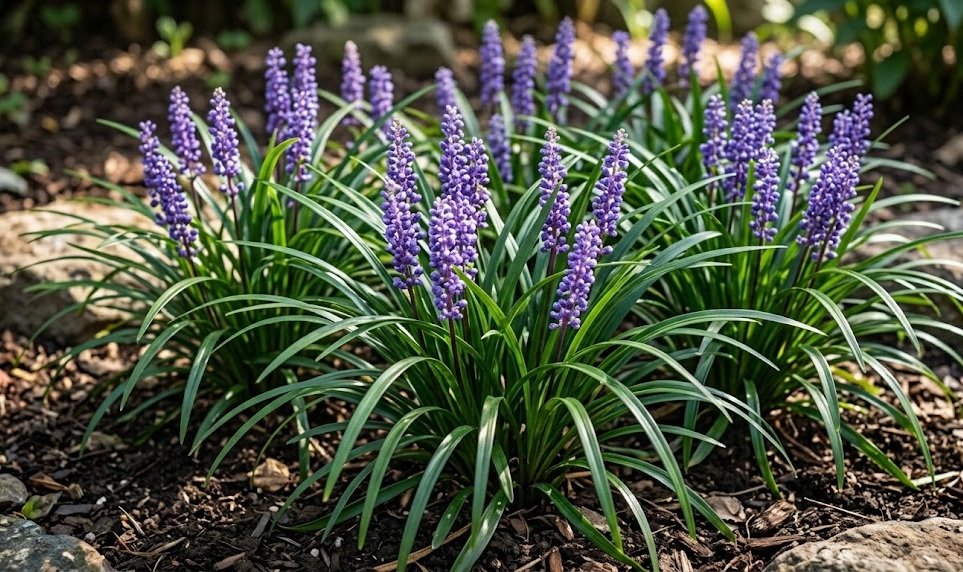

The successful establishment of lilyturf in a landscape depends heavily on the initial planting techniques and the choice of propagation methods. This robust perennial is highly adaptable, but providing the right start will lead to much faster coverage and healthier foliage. Professionals often use this plant to stabilize soil on slopes or to create clean edges along garden paths and walkways. Understanding how to correctly place and multiply these plants allows for a cost-effective and beautiful garden transformation.
Before the first shovel hits the ground, it is important to visualize the final spread of the plants to avoid overcrowding. Each clump will eventually reach a significant width, and giving them enough space initially prevents future maintenance headaches. Proper planning ensures that the aesthetic goals of the project are met without wasting plant material or labor. Careful preparation is the foundation upon which every successful agricultural or horticultural project is built.
Site preparation involves more than just digging a hole; it requires an assessment of the entire planting area’s ecosystem. Removing existing weeds and grass is the first step toward creating a clean slate for the new perennials. Improving the soil structure with organic matter before planting will pay dividends in the form of rapid root establishment. Taking the time to do this correctly ensures that the plants will thrive for many years to come.
Propagation offers a sustainable way to increase your plant inventory without constantly purchasing new nursery stock. Lilyturf is particularly easy to multiply through division, making it a favorite for large-scale landscaping projects. Whether you are expanding an existing bed or starting a new one, mastering these techniques is essential for any expert. With the right approach, a few initial plants can eventually fill an entire garden.
Selecting the ideal site
Choosing the right location is the most important decision you will make when planting lilyturf in your garden. This plant is famous for its shade tolerance, but it can also handle a surprising amount of sun if the moisture is right. Ideally, a spot with dappled sunlight or morning sun and afternoon shade will produce the most vibrant foliage. Evaluating the light patterns throughout the day will help you find the “sweet spot” for your new installation.
More articles on this topic
Soil drainage must be a primary consideration when evaluating potential sites for these versatile perennials. While they can survive in many conditions, they will quickly rot if left in standing water or soggy ground. If your chosen site is in a low-lying area, consider adding drainage tiles or creating a raised bed. Avoiding waterlogged soil is the single most important factor in preventing early plant failure.
Wind exposure is another environmental factor that can affect the long-term appearance of the lilyturf foliage. While the plants are hardy, constant high winds can cause the leaves to dry out and develop unsightly brown tips. Choosing a sheltered location or planting behind a low wall or hedge can provide the necessary protection. This consideration is especially important in coastal or open prairie environments where wind is a constant factor.
Proximity to other plants should also be weighed when selecting a site for your new lilyturf clumps. Because it is a clump-forming plant, it does not spread aggressively like some other groundcovers, making it a good neighbor. It works well underneath trees or as a foreground for taller shrubs and flowering perennials. Ensuring there is enough room for both the lilyturf and its neighbors to grow is a sign of professional planning.
Correct planting techniques
When you are ready to plant, start by digging a hole that is twice as wide as the root ball and just as deep. This extra width allows the roots to spread out easily into the loose, amended soil surrounding the planting site. The depth is critical, as the crown of the plant should sit exactly at the soil level, not buried beneath it. Planting too deep can suffocate the crown, while planting too shallow can cause the roots to dry out.
More articles on this topic
Gently loosen the roots of the plant if they have become tightly wound in the nursery container. This “teasing” of the roots encourages them to grow outward into the new soil rather than continuing to circle the root ball. Be careful not to break too many of the larger roots, as these are the plant’s primary lifelines. A healthy, spread-out root system is the key to a plant that can withstand future droughts.
Fill the hole with a mixture of native soil and compost to provide a nutrient-rich environment for the new arrival. Tamp the soil down lightly with your hands to remove any large air pockets that could cause the roots to desiccate. Avoid stepping on the soil with your full weight, as this can cause compaction and limit oxygen flow to the roots. Proper soil firmness is a balance between stability and breathability.
Immediately after planting, give the area a thorough watering to settle the soil and hydrate the roots. This initial watering is crucial for reducing transplant shock and helping the plant settle into its new home. Adding a layer of mulch around the base will help retain this moisture and keep the soil temperature stable. Watching the plants closely for the first few weeks will ensure they are transitioning successfully.
Division methods
Division is the most common and effective way for professionals to propagate lilyturf in a garden setting. This process is best performed in the early spring before the new growth has fully emerged from the crown. By splitting a large, healthy clump into several smaller pieces, you can create new plants that are identical to the parent. This method also helps to rejuvenate older plants that may have become too dense or unproductive.
To begin the division process, dig up the entire clump with a sharp spade, making sure to get as much of the root system as possible. Shake off the excess soil so you can clearly see where the individual sections of the crown are located. You can often see natural “seams” where the plant can be easily separated into smaller units. Using a sharp knife or the edge of a spade, cut through the crown to create your new divisions.
Each new division should have a healthy section of the crown and a substantial amount of roots attached to it. If a piece is too small or lacks enough roots, it may struggle to establish itself in the new location. Aim for divisions that are about the size of a standard nursery pot to ensure a high success rate. Keeping the roots moist during this entire process is essential for the survival of the new plants.
Replant the divisions immediately into their new locations using the same planting techniques discussed previously. Because these are already mature root systems, they will often establish themselves much faster than young nursery starts. Water them well and monitor their progress as they begin to send up new leaves in the spring. Division is a powerful tool for any gardener looking to expand their landscape on a budget.
Alternative propagation paths
While division is the standard, lilyturf can also be grown from the dark berries it produces in the autumn. This method requires more patience, as it takes much longer for a seed to reach the size of a landscape-ready plant. The seeds must be cleaned of their fleshy coating and then planted in a well-draining seed starting mix. Keeping the seeds warm and moist will eventually lead to germination, although the rates can be variable.
Growing from seed is a great way to produce a large number of plants if you are not in a hurry to fill the space. However, keep in mind that seedlings may not always look exactly like the parent plant, especially if multiple varieties are nearby. This genetic variation can lead to subtle differences in leaf color or flower intensity. For professional consistency, most landscapers prefer asexual propagation methods like division.
Some growers also experiment with tissue culture for mass production, although this is usually reserved for commercial nurseries. This high-tech method allows for the creation of thousands of identical plants in a laboratory setting. For the average gardener or professional landscaper, this is rarely practical or necessary given the ease of division. It is, however, the reason why many new and exciting cultivars are available on the market today.
Lastly, some species of lilyturf can spread through underground runners, although the variety we are discussing is primarily a clumper. If you find your plants spreading beyond their boundaries, it may be a different species than the one you intended. Understanding the growth habit of your specific plant is crucial for long-term garden management. Regardless of the method, propagation is a rewarding way to deepen your connection to the life cycle of the garden.