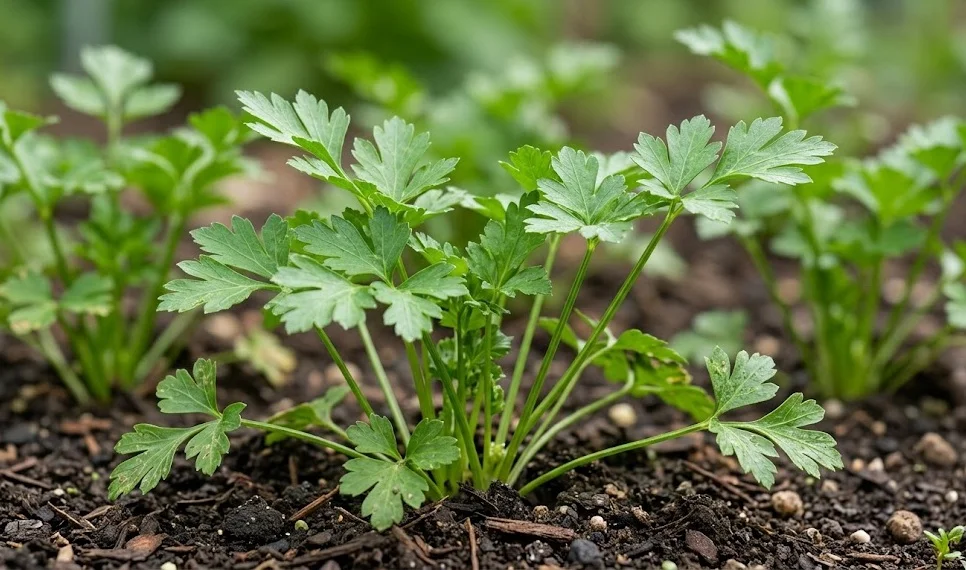

Planting and propagating leaf parsley is a process that demands patience and precision due to the herb’s notoriously slow germination rate. Unlike many other garden greens that sprout within days, parsley can take several weeks to emerge from the soil. This delay means that the initial preparation of the seedbed and the quality of the starting material are of paramount importance. By following professional standards for sowing and propagation, you can ensure a high germination rate and a strong start for your crop.
The preparation of the seeds before they ever touch the soil can significantly influence the success of your planting efforts. Many professional growers recommend soaking the seeds in lukewarm water for twenty-four hours to soften the tough outer husk. Some even use a light scarification technique or a brief dip in very warm water to signal the embryo to break dormancy. Once the seeds have been prepared, they should be sown immediately while they are still moist to prevent them from returning to a dormant state.
Direct sowing in the garden remains the most common method for establishing leaf parsley because the plants do not always transplant well. You should sow the seeds at a depth of approximately one centimeter in rows spaced thirty centimeters apart to allow for adequate growth. Covering the seeds with a fine layer of compost or vermiculite helps maintain the necessary moisture levels during the long germination period. It is helpful to mark the rows with a fast-growing indicator crop, like radish, so you know where the parsley is located before it sprouts.
If you choose to start your plants indoors, using biodegradable peat or paper pots is a highly effective strategy to minimize transplant shock. Parsley develops a deep taproot very early in its life, and any damage to this root during moving can permanently stunt the plant. You should start the seeds about six to eight weeks before the last expected frost to ensure they are robust enough for the outdoors. Gradually hardening off the seedlings by exposing them to outdoor conditions for increasing intervals is a mandatory step for a successful transition.
Alternative propagation methods, such as root cuttings or division, are less common for parsley but can be used in specific agricultural contexts. Since the plant is a biennial, it is most often treated as an annual and grown from fresh seed each year to ensure the best flavor. However, if you have a particularly vigorous specimen, you can allow it to go to seed in its second year to collect fresh material for the next season. This natural reseeding process often results in the hardiest plants, as they have already adapted to the specific conditions of your local environment.