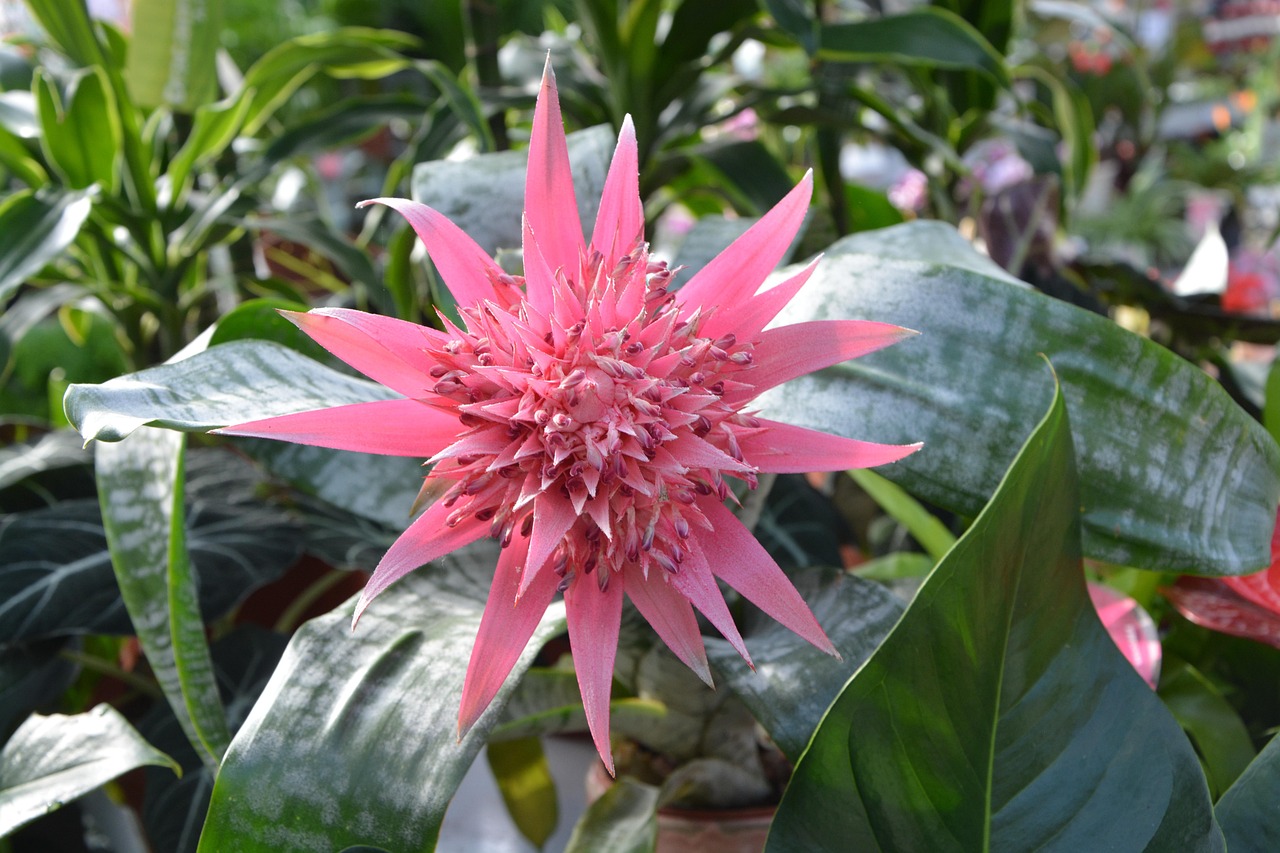

As the seasons change and temperatures begin to drop, the care requirements for your silver vase plant must shift to accommodate its tropical nature. This species is not equipped to handle the cold winters of temperate climates and requires a dedicated indoor strategy to survive the dormant months. Preparing your plant for the winter involves more than just bringing it inside; you must manage light, humidity, and temperature with precision. By following professional overwintering protocols, you can ensure your bromeliad remains healthy and ready for a vibrant spring.
The most critical aspect of winter care is protecting the plant from freezing temperatures and cold drafts. The silver vase plant should be moved indoors long before the first frost is even a possibility in your local area. Aim to have the plant settled in its winter location by the time nighttime temperatures consistently drop below 15 degrees Celsius. Even a brief exposure to near-freezing air can cause irreversible damage to the cell structure of the silver leaves.
Indoor heating systems present a significant challenge by drastically reducing the humidity levels that these tropical plants crave. While the air outside may be damp, the air inside a heated home is often as dry as a desert, which can stress the plant. You will need to compensate for this dry air by using room humidifiers or larger pebble trays filled with water. Monitoring the humidity is just as important as checking the temperature during the long winter months.
Light levels also decrease significantly during the winter, which can slow down the plant’s metabolism and growth. You may need to move your silver vase plant to a brighter window, such as one facing south, to maximize the available daylight. However, be careful with the heat generated by the sun through the glass, as it can still cause localized scorching if the air is too still. Balancing the need for light with the risks of dry heat is the central theme of winter bromeliad care.
Adjusting the watering and feeding routine
During the winter dormancy, the silver vase plant requires much less water than it does during the active growing season in the summer. You should continue to keep a small amount of water in the central urn, but you don’t need to fill it as high as you normally would. Evaporation is slower in the cooler air, and the plant is not actively producing new leaves or flowers. Emptying and refreshing the tank every three weeks is still necessary to prevent any bacterial growth or stagnation.
More articles on this topic
The moisture levels in the potting medium must be monitored even more carefully than usual during the colder months. Because the roots are less active, they are at a much higher risk of rotting if the soil stays wet for too long. Only water the substrate when it feels completely dry to the touch, and even then, use only a small amount of room-temperature water. Avoid using cold water directly from the tap, as the temperature difference can shock the dormant root system.
Fertilization should be stopped entirely from late autumn until the early signs of spring appear in the center of the plant. Feeding a dormant plant can lead to the buildup of salts in the soil and can even trigger weak, spindly growth that is susceptible to pests. Let the plant rest and conserve its energy for the natural growth spurt that will come with longer days and warmer weather. This period of rest is a natural part of the plant’s life cycle and should be respected by the grower.
If you notice the leaves looking a bit dusty or dull during the winter, you can give them a gentle wipe with a damp cloth. This not only improves the plant’s appearance but also helps it photosynthesize more effectively in the limited winter light. Avoid using any heavy oils or leaf shine products that could interfere with the plant’s natural respiration during its rest phase. Simple, clean water is all you need to keep the silver foliage looking its best until spring arrives.
Choosing the best indoor location for winter
Finding the perfect spot for your silver vase plant in a winter home requires balancing several competing environmental factors. Avoid placing the pot directly on a windowsill where the leaves might touch the cold glass during the night. The temperature at the glass surface can be many degrees lower than the rest of the room, leading to localized frostbite on the foliage. Instead, place the plant on a stand a few feet away from the window where it can still catch the light.
More articles on this topic
Keep your plant away from direct sources of heat such as radiators, floor vents, or fireplaces. The intense, dry heat from these sources can rapidly dehydrate the plant and cause the silver scales to become brittle and fall off. If you have no other choice, use a decorative screen or another piece of furniture to buffer the direct flow of hot air. Maintaining a stable, moderate temperature is the goal for a successful overwintering experience indoors.
Good air circulation is still important in the winter, even though you are trying to keep the environment warm and humid. Stagnant air in a corner can lead to the development of fungal issues or provide a perfect breeding ground for pests like spider mites. Use a small fan in the room to keep the air moving gently, but ensure it is not blowing directly onto the plant. This mimicking of a natural breeze helps maintain the health of the leaves and prevents the buildup of pathogens.
If your home is particularly dark during the winter, you might consider using a dedicated full-spectrum grow light to supplement the natural sun. A few hours of extra light each day can make a big difference in maintaining the vibrant silver color and overall vigor of the plant. Position the light about twelve to eighteen inches above the plant to provide adequate intensity without causing any heat damage. With the right setup, your silver vase plant can even continue to look spectacular throughout the darkest months.
Monitoring for winter stress and pests
Winter is a time when indoor pests like to take advantage of stressed plants and low humidity environments. Spider mites are the most common winter problem, as they thrive in the dry air produced by central heating systems. Check the undersides of the leaves regularly for fine webbing or tiny yellow speckles that indicate their presence. Increasing the humidity and occasionally misting the plant can help keep these pests at bay during the indoor season.
Scale insects and mealybugs can also become a problem if they were introduced during the summer and went unnoticed. The slower growth of the plant in winter makes it less able to defend itself against these sap-sucking intruders. Use a magnifying glass to inspect the tight crevices at the base of the leaves where these pests love to hide. Early detection and treatment with a cotton swab and rubbing alcohol can prevent a minor issue from becoming a major infestation.
Watch the color and texture of the leaves for any signs that the plant is struggling with the indoor environment. If the silver color starts to fade or the leaves begin to droop significantly, it may be a sign that the light levels are too low. Conversely, if the leaf tips turn brown and crispy, the humidity is likely far too low for the plant’s comfort. Making small, incremental adjustments to the care routine will usually resolve these issues before they cause permanent damage.
As the days begin to lengthen in late February or March, you will notice the plant starting to show signs of renewed life. This is the signal that the overwintering period is coming to an end and you can gradually return to your regular care routine. Increase the watering frequency and start a very diluted fertilization schedule to support the new growth. Surviving the winter is a milestone for any tropical plant, and your silver vase plant will reward you with a beautiful display in the coming year.