
As the days grow shorter and the temperature outside begins to drop, your tropical vine will naturally start to slow down its growth in preparation for the winter months. Understanding how to support your plant during this dormant period is crucial for its survival and its ability to bloom again in the spring. Many people make the mistake of continuing their summer care routine throughout the winter, which can lead to stress or even the death of the plant. By adjusting your habits to match the changing environment, you can ensure that your plant stays healthy until the warmth returns.
The most important thing to remember is that light levels indoors decrease significantly during the winter, even if it looks bright to our eyes. Your plant will not be photosynthesizing as efficiently as it does in the summer, which means it will require much less water and no fertilizer at all. Forcing the plant to grow with artificial heat and extra water when there isn’t enough light will result in weak, leggy stems that are prone to pests. Respecting the natural cycle of rest is the best thing you can do for your plant’s long-term vitality.
You should also be mindful of the changes in your home’s microclimate caused by heating systems and cold drafts from windows. Indoor air can become extremely dry in the winter, which is the opposite of what a tropical climbing vine prefers. Finding a balance between keeping the plant warm and providing enough humidity is one of the main challenges of the winter season. With a few simple adjustments to your placement and routine, you can create a safe haven for your plant to wait out the cold.
This period of dormancy is also a great time to reflect on the past growing season and plan for the year ahead. You can take the time to clean the leaves, inspect the support structures, and make sure the plant is positioned in the best possible light. While the plant might not look like it is doing much, it is actually gathering strength for the burst of growth that will come in the spring. Patience and careful observation are your most valuable tools during the quiet winter months.
Entering the dormancy period
Dormancy is a natural and necessary part of the plant’s life cycle that allows it to conserve energy and survive less-than-ideal conditions. You will notice that the production of new leaves slows down or stops altogether as the plant enters this resting phase. This is not a sign of illness, but rather a strategic response to the lower light levels and cooler temperatures of autumn. It is important to accept this slower pace and not try to “fix” it by adding more water or plant food.
More articles on this topic
During this time, the plant’s roots are also less active and will not absorb moisture as quickly as they did during the peak of summer. This is why it is so easy to accidentally overwater your vines during the winter, leading to the risk of root rot. You should always wait until the soil is dry much deeper into the pot before you even think about reaching for the watering can. Some enthusiasts even wait until the leaves feel slightly less firm before providing a small amount of hydration.
A cool rest period is actually beneficial for many species, as it can trigger the development of flower buds for the following season. If you keep the plant in a room that is slightly cooler than the rest of the house, around fifteen to eighteen degrees Celsius, it will be very happy. Just make sure the temperature never drops below ten degrees, as this can cause permanent damage to the tropical tissue. A stable, cool environment is the perfect setting for a successful winter dormancy.
If you have your plant in a very warm room with artificial lights, it might not enter a true dormancy and continue to grow slowly. While this is not necessarily bad, the growth will often be thinner and the plant might not flower as reliably in the spring. Whenever possible, it is best to allow the plant to follow the natural rhythm of the seasons as much as your indoor environment allows. A well-rested plant is much more likely to reward you with a spectacular show of blossoms later in the year.
Choosing the best indoor placement
Finding the right spot for your plant in the winter can be a bit of a challenge because the angle of the sun changes and the heat in our homes is unevenly distributed. You should move your plant to the brightest window available, usually one facing south or west, to maximize the limited daylight. Even a few extra hours of indirect light can make a huge difference in the plant’s health and its ability to maintain its foliage. Just be careful that the leaves are not touching the cold glass, which can cause them to freeze or drop.
More articles on this topic
Keep your plant away from radiators, fireplaces, and heating vents, as the direct heat will dry out the soil and the foliage much too quickly. The constant flow of hot, dry air is very stressful for a tropical vine and can lead to an infestation of spider mites. A spot that is bright but away from direct heat sources is ideal for maintaining a consistent environment. You might need to experiment with a few different locations before you find the one that your plant likes best.
If your home is particularly dark during the winter, you might want to consider using a small LED grow light to supplement the natural daylight. You don’t need a powerful professional setup; a simple desk lamp with a full-spectrum bulb can provide enough energy to keep the plant healthy. Keep the light on for about eight to ten hours a day to mimic a short winter day and help the plant maintain its green color. This extra boost can be a lifesaver for plants kept in rooms with small or shaded windows.
Air circulation is still important in the winter, but you must be careful to avoid cold drafts from doors or poorly insulated windows. A gentle movement of air will help prevent fungal problems, but a cold blast can shock the plant and cause it to lose its leaves suddenly. If you feel a draft when you stand near the plant, it is best to move it to a more sheltered location. Providing a stable and protected environment is the key to a stress-free winter for your climbing vine.
Reducing maintenance and watering
The golden rule of winter care is “less is more” when it comes to almost every aspect of plant maintenance. You should reduce your watering frequency significantly, often waiting several weeks between sessions depending on the size of the pot. Always use the finger test to check the moisture levels, and if you are in doubt, it is always better to wait a few more days. The plant is much more resilient to dryness than to soggy soil during this time of year.
You should stop all fertilization from late autumn until the first signs of new growth appear in the early spring. Adding nutrients when the plant is not growing can lead to a buildup of salts in the soil that will eventually damage the roots. The plant has all the energy it needs stored in its thick, waxy leaves and does not require any extra help during its rest. Think of the winter as a time for the plant to sleep and recover, rather than a time for it to perform.
Misting the leaves can be helpful if your indoor air is very dry, but you must be careful not to overdo it and cause fungal issues. It is often better to use a humidity tray filled with pebbles and water or a small humidifier to provide a more constant source of moisture. If you do mist, do it in the morning so the water has all day to evaporate before the temperature drops at night. Keeping the leaves clean by wiping them with a damp cloth is also a great way to maintain humidity and prevent pests.
Avoid any major pruning or repotting during the winter months, as the plant does not have the energy to recover quickly from these stresses. Any wounds created by pruning will heal much more slowly in the winter, increasing the risk of infection. If you must remove a dead leaf or a damaged vine, do it carefully with a sharp, clean tool and try to minimize the impact on the rest of the plant. Save your big gardening projects for the spring when the plant is ready to grow again with enthusiasm.
Transitioning back to spring growth
As the days begin to lengthen and the sun gets stronger in late February or March, you will notice your plant starting to wake up. Small green nubs might appear on the stems, and the existing leaves might look a bit brighter and firmer. This is your signal to gradually increase your watering frequency and move the plant back into its summer position if you moved it for the winter. The transition should be slow and steady to avoid shocking the plant with a sudden change in care.
Once you see consistent new growth, you can start your fertilization routine again, beginning with a very diluted solution. This will provide the necessary nutrients for the new vines and leaves that are about to emerge. It is also a great time to inspect the support structures and see if the plant needs a new trellis or a larger pot. If you plan to repot, wait until the plant is clearly active and the weather is reliably warm.
If the plant has become a bit dusty or leggy over the winter, a gentle shower with room-temperature water can refresh it and get it ready for the new season. This also helps to flush out any minerals that might have built up in the soil over the dormant period. You will find that the plant responds quickly to the increased light and care, often rewarding you with a flush of new growth within just a few weeks. The excitement of seeing your plant come back to life is one of the best parts of the gardening year.
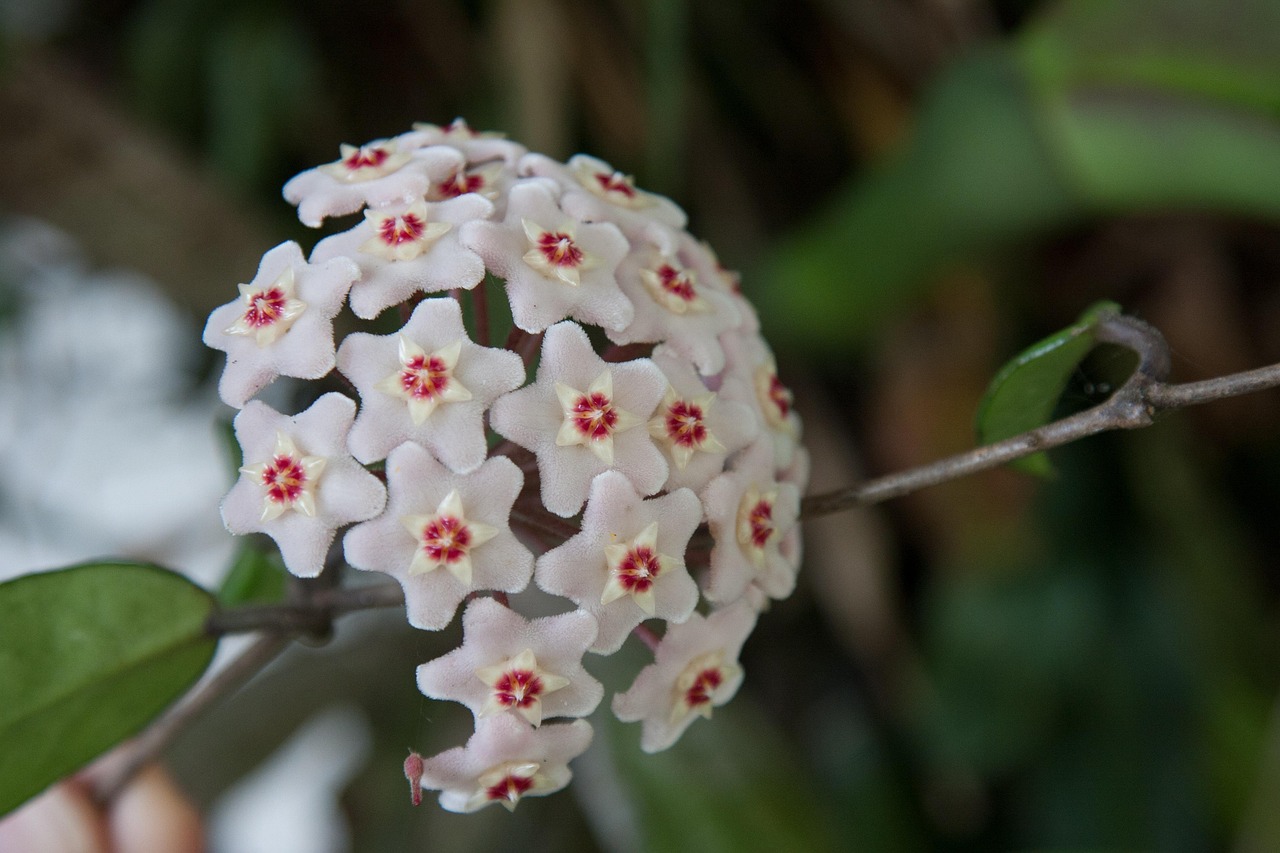
Remember that every winter is a little bit different, and you might need to adjust your care based on the specific conditions of each year. Staying observant and being willing to adapt to your plant’s needs will make you a much more successful indoor gardener. By providing a safe and restful winter, you are setting the stage for a spectacular display of foliage and flowers in the coming months. Your porcelainflower is a tough and beautiful companion that will thrive for years with this careful seasonal management.