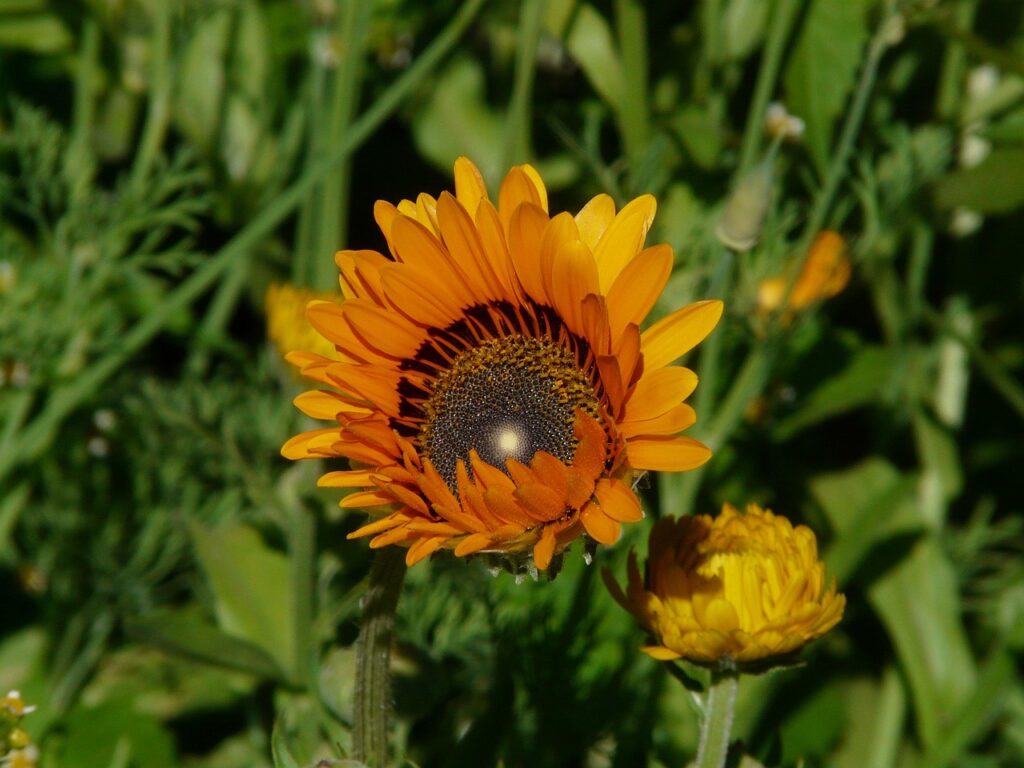

Preparing your garden for the cold winter months is a critical phase in the annual cycle of any horticulturalist. The painted daisy, depending on your climate and the specific variety you are growing, may require different levels of protection to survive the frost. You will find that taking the time to properly “put your garden to bed” can make the difference between a thriving display next spring and an empty patch of ground. Understanding the physiological changes that occur as plants enter dormancy is the first step toward successful overwintering.
In many regions, the painted daisy is treated as an annual, meaning it completes its entire lifecycle in a single growing season and does not survive the winter. However, in milder climates or with specific care, some varieties can behave like short-lived perennials and return for a second or even third year. Your primary goal during this transition is to protect the root system and the crown of the plant from the damaging effects of freezing and thawing. This process requires a shift in your mindset from encouraging growth to preserving the existing life force within the plant.
The timing of your overwintering preparations should be guided by the first predicted frost dates for your specific location. You should begin to slow down your maintenance routine as the autumn air turns crisp and the leaves on the trees begin to change color. This gradual reduction in water and nutrients helps the plant naturally transition into a state of rest rather than being caught off guard by a sudden cold snap. A professional gardener watches the weather forecast just as closely in the fall as they do in the spring.
Humanizing the overwintering process means recognizing that dormancy is a vital part of a plant’s natural rhythm and health. Just as humans need sleep to recharge, many plants require a period of cold-induced rest to reset their biological clocks and prepare for the next flowering season. By providing the right conditions during this dormant phase, you are supporting the long-term health and vigor of your garden. This professional and empathetic approach to plant care ensures that your outdoor space remains a living, breathing entity year after year.
Preparing for the transition to dormancy
The first step in preparing your daisies for winter is to gradually reduce their water intake as the temperatures begin to drop in late summer and early autumn. This signal tells the plant that the growing season is coming to an end and it should start moving its energy reserves down into the roots. You should also stop all fertilizer applications at least six to eight weeks before the first frost is expected. New growth stimulated by late fertilizing is very tender and will be the first thing to be killed by the cold, potentially damaging the whole plant.
More articles on this topic
Cleaning up the garden bed is another essential task before the snow falls or the ground freezes hard. You should remove any dead or diseased foliage that could harbor pests or fungal spores over the winter months. However, you might choose to leave some healthy, dried flower heads in place to provide a bit of visual interest and food for local birds. A tidy but not sterile garden is the goal of most professional and environmentally conscious gardeners during the fall season.
Once the first light frost has blackened the foliage, you can cut the stems back to within a few inches of the soil surface. This prevents the tall, dead stalks from being whipped around by winter winds, which could loosen the roots in the soil. It also makes it much easier to apply a protective layer of mulch over the crown of the plant once the ground has started to cool. Using clean, sharp shears for this final pruning of the year is a professional habit that prevents the introduction of rot.
Mulching is perhaps the most important physical protection you can provide for your overwintering daisies in the open ground. A thick layer of straw, pine needles, or shredded leaves acts as an insulating blanket that keeps the soil temperature more stable. This prevents the damaging “heaving” of the soil that occurs when the ground repeatedly freezes and thaws, which can push the roots out of the earth. You should wait until the ground has actually started to freeze before applying the mulch to avoid trapping too much moisture and heat against the plant.
Managing indoor conditions for safety
If you are growing your painted daisies in containers, you have the option of moving them to a more protected location for the winter months. An unheated garage, a cool basement, or a sheltered porch can provide just enough protection from the worst of the cold to keep the roots alive. You should make sure the location is cool enough to keep the plant dormant but not so cold that the root ball freezes solid. This “middle ground” of temperature is the key to successfully overwintering potted plants in a professional manner.
More articles on this topic
While the plants are indoors or in a sheltered spot, their water requirements will be extremely low compared to the summer months. You should check the moisture level of the soil occasionally, but only water when it feels dry several inches down. Over-watering during dormancy is one of the most common ways that gardeners accidentally kill their plants during the winter. The roots are not actively growing and cannot process much moisture, making them very susceptible to fungal rot in damp, cold soil.
Light is generally not a major concern for fully dormant plants, as they do not have active leaves to perform photosynthesis. However, if your daisies are still showing some green growth, they will benefit from being placed near a window or under a weak grow light. If the indoor location is too warm and bright, the plant may try to start growing prematurely, producing weak and spindly stems. A professional gardener tries to mimic the natural conditions of winter as closely as possible, even when the plants are indoors.
Inspecting your overwintering plants for pests is just as important in the winter as it is in the summer. Some pests, like spider mites or aphids, can thrive in the dry, stagnant air of a garage or basement and quickly overwhelm a dormant plant. You should check the stems and any remaining foliage every few weeks and treat any issues immediately with a gentle insecticidal soap. Keeping the air moving slightly with a small fan can also help prevent these winter pest problems and reduce the risk of mold.
Dormancy and winter maintenance
During the deepest part of winter, your primary job is to monitor the environmental conditions and make sure your protective measures are holding up. If you have a period of unusually warm weather, you should check your outdoor mulch to make sure it hasn’t become displaced or overly compacted. You may also need to give your outdoor plants a very light watering if the ground is not frozen and the winter has been particularly dry. This “winter watering” is often overlooked but can be vital for the survival of the root system in arid climates.
For plants kept in a greenhouse or cold frame, you will need to manage the temperature and humidity levels much more actively. On sunny winter days, these structures can heat up surprisingly quickly, which could trick your daisies into breaking dormancy too early. You should vent the structure during the day to keep the temperature within a safe, cool range and close it up again before the sun goes down. This daily ritual of opening and closing vents is a hallmark of an attentive and professional greenhouse gardener.
Snow can actually be a very effective natural insulator for your garden beds, providing a thick and stable blanket that protects the plants from extreme air temperatures. However, heavy, wet snow can also weigh down any structures or evergreen shrubs you have nearby, potentially causing damage. You should gently brush excessive snow off of delicate garden features while leaving the protective layer on the ground where it is most beneficial. Understanding when to intervene and when to let nature take its course is part of the professional gardener’s wisdom.
As the days begin to lengthen in late winter, you will notice the first subtle signs that your plants are preparing for spring. The buds on some species may begin to swell, and you might see a bit of new green growth emerging from the base of your daisies. This is not yet the time to remove your protective mulch, as late-season frosts can still be very damaging to this tender new tissue. Be patient and wait until you are confident that the worst of the winter weather has truly passed before uncovering your garden.
Transitioning back to the spring garden
Moving your plants back into their active growth phase requires a gradual and careful approach to avoid shocking them with sudden changes. You should start by slowly removing the winter mulch in layers over a period of a week or two as the soil warms up. This allows the crown of the plant to adjust to the increasing light and air circulation without being exposed all at once. If a sudden late frost is predicted after you have uncovered the plants, be prepared to toss a temporary blanket or frost cloth over them for the night.
For those daisies that spent the winter indoors, the process of “hardening off” is once again a professional necessity before they return to the garden. You should move the pots outdoors for a few hours each day, gradually increasing their exposure to direct sunlight and wind over about ten days. This strengthens the plant’s tissues and helps prevent the leaves from burning when they are finally placed in their permanent summer home. It is a slow process, but it ensures that your overwintering efforts are not wasted at the very last moment.
Once the plants are back in the garden and the soil is consistently warm, you can provide their first feeding of the new season. A balanced, slow-release fertilizer will give them the nutrients they need to start producing the lush foliage and beautiful flowers you’ve been waiting for. You should also check the root systems of your container-grown daisies to see if they need to be moved to a larger pot or have their soil refreshed. This “spring check-up” sets the stage for a successful and vibrant growing season ahead.
Reflecting on your overwintering success and failures is a valuable exercise for any serious gardener as they plan for the future. You might find that some varieties handled the cold better than others or that a particular mulching technique was more effective in your specific microclimate. Keeping a garden journal allows you to track these observations and make better-informed decisions next year. Every winter is a learning experience that brings you closer to mastering the art of year-round garden management.