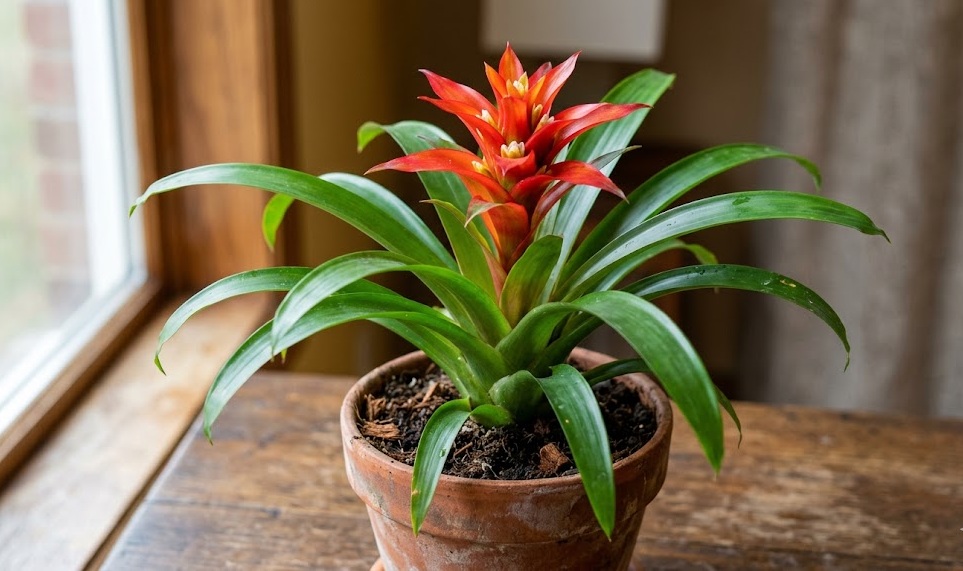

Overwintering a guzmania bromeliad in a temperate climate requires a proactive strategy to deal with reduced light levels and drier indoor air. As the seasons shift and outdoor temperatures drop, the metabolic needs of your tropical plant change significantly, necessitating a shift in your daily care routine. Protecting these specimens from the harsh effects of indoor heating and short winter days is essential for maintaining their structural integrity and vibrant colors. With a professional approach, you can ensure your bromeliad survives the winter months and is ready to flourish when spring returns.
The most immediate challenge during the winter is managing the dramatic drop in humidity caused by central heating systems. Tropical plants like the guzmania are accustomed to humid rainforest environments, and the dry air of a winter home can cause their leaves to become brittle. You should increase the frequency of misting or use a dedicated humidifier to keep the ambient moisture levels above fifty percent. This constant attention to air quality prevents the leaf tips from drying out and maintains the plant’s overall aesthetic appeal.
Temperature stability is another critical factor to consider when preparing your indoor garden for the colder months of the year. While these plants prefer warmth, they are also sensitive to the hot, dry air blowing directly from radiators or forced-air vents. You should move your pots away from these heat sources to avoid dehydrating the foliage and stressing the root system. Ideally, keep the room temperature between sixteen and twenty-one degrees Celsius, avoiding any areas where cold drafts from windows might occur.
As the natural day length decreases, your guzmania will naturally slow its growth and enter a period of relative dormancy. During this time, the plant’s demand for water and nutrients is much lower than it would be during the peak of the summer season. You should adjust your watering schedule accordingly, allowing the potting medium to dry out more thoroughly between applications. Overwatering in the winter is a common mistake that often leads to root rot because the moisture does not evaporate as quickly.
Adjusting light exposure for the shorter winter days
The intensity and duration of sunlight are significantly reduced during the winter, which can affect the color and health of your bromeliad’s foliage. To compensate for this, you may need to move your plant to a brighter location, such as an east or south-facing window. Ensure that the leaves are not touching the cold glass of the window pane, as this can cause localized chilling and tissue damage. Even a small increase in available light can help the plant maintain its energy levels and prevent it from becoming weak and elongated.
More articles on this topic
If your home does not receive enough natural light during the winter, you might consider using artificial grow lights to supplement the plant’s needs. Specialized LED lights can provide the specific spectrum of light that tropical plants require for photosynthesis without producing excessive heat. Placing the lights on a timer to provide twelve hours of illumination can mimic the tropical day length and keep the plant vigorous. This professional solution is particularly useful for those living in northern latitudes where winter days are exceptionally short.
Keep a close eye on the foliage during the winter to ensure that the increased light exposure is not causing any unintended stress. While the plant needs light, the winter sun can still be quite intense on clear days, especially when reflected off snow outside. If you notice any signs of leaf scorching or bleaching, simply move the plant a few inches further back from the window. Finding the perfect balance between adequate light and protection from extremes is the key to successful overwintering.
Clean the leaves regularly during the winter months to ensure they can make the most of the limited light that is available. Dust can accumulate more quickly in a closed-up house and form a barrier that blocks essential sunlight from reaching the chlorophyll in the leaves. Use a soft, damp cloth to gently wipe each leaf once every few weeks to keep the plant looking fresh and healthy. This simple maintenance task also provides a regular opportunity to inspect the plant for any signs of winter-related pests.
Managing moisture levels in a dormant environment
The strategy for watering your guzmania must be refined during the winter to account for the slower evaporation and reduced plant activity. You should still keep a small amount of water in the central tank, but it is more important than ever to flush it out frequently. Stagnant water in a cooler environment can quickly become a breeding ground for bacteria and fungi that could harm the plant’s core. Aim to replace the water in the cup every week with fresh, room-temperature water that has been allowed to sit for twenty-four hours.
More articles on this topic
The substrate should be kept significantly drier than it would be during the spring and summer months to protect the roots. Only water the soil when it feels dry at least two inches below the surface, and ensure that no water remains in the saucer after you are finished. Cold, wet soil is the primary cause of root rot during the winter, which can be fatal for these epiphytic plants. Using a well-draining, airy potting mix is your best defense against the dangers of excess winter moisture.
Fertilization should be completely suspended during the winter months when the plant is not actively producing new growth. Providing extra nutrients when the plant is dormant can lead to a buildup of salts in the soil that may damage the sensitive root system. The plant has enough stored energy to maintain itself through the dark months without the need for additional chemical stimulation. You can resume a light feeding schedule in the spring when you see the first signs of new activity in the center of the rosette.
If you have separated pups recently, they will require a bit more attention than mature plants during their first winter. These young offsets are more sensitive to dry air and fluctuations in temperature and should be kept in the most stable part of your home. A small indoor greenhouse or a clear plastic cover can help maintain the high humidity they need while their root systems are still developing. By protecting the next generation through the winter, you ensure the long-term success of your bromeliad collection.
Monitoring health and preparing for the spring transition
Winter is a time for observation and careful monitoring of your plant’s condition as it navigates the change in its environment. Watch for any signs of stress, such as yellowing leaves or a loss of turgor in the foliage, which could indicate a problem with light or moisture. Early intervention, such as moving the plant to a warmer spot or increasing the humidity, can prevent minor issues from becoming major setbacks. A professional gardener is always attuned to these subtle signals and is ready to adjust their care as needed.
Pest outbreaks can sometimes occur in the winter, especially if the air is very dry, as spider mites and scale insects thrive in these conditions. Regularly inspecting the undersides of the leaves and the crevices of the rosette will help you catch any infestations before they take hold. If you find any pests, treat the plant immediately with a gentle organic solution and isolate it from your other greenery. Maintaining a clean and healthy environment throughout the winter is the best way to prevent these opportunistic attacks.
As the days begin to lengthen in late winter, you can slowly start to increase the amount of water you provide to the plant. This gradual transition prepares the guzmania for the upcoming growing season and stimulates its natural biological processes to wake up. You may notice the central leaves starting to grow more quickly or new offsets beginning to emerge from the base of the plant. This is an exciting time that marks the successful conclusion of the overwintering process and the start of a new cycle.
Once the threat of frost has passed and the indoor environment becomes more stable, you can return to your regular spring and summer care routine. This includes reintroducing a light fertilization schedule and perhaps repotting the plant if it has outgrown its current container. The resilience shown by your guzmania over the winter is a direct reflection of the professional care and attention you have provided. Your dedication ensures that these tropical treasures remain a vibrant and healthy part of your home year after year.