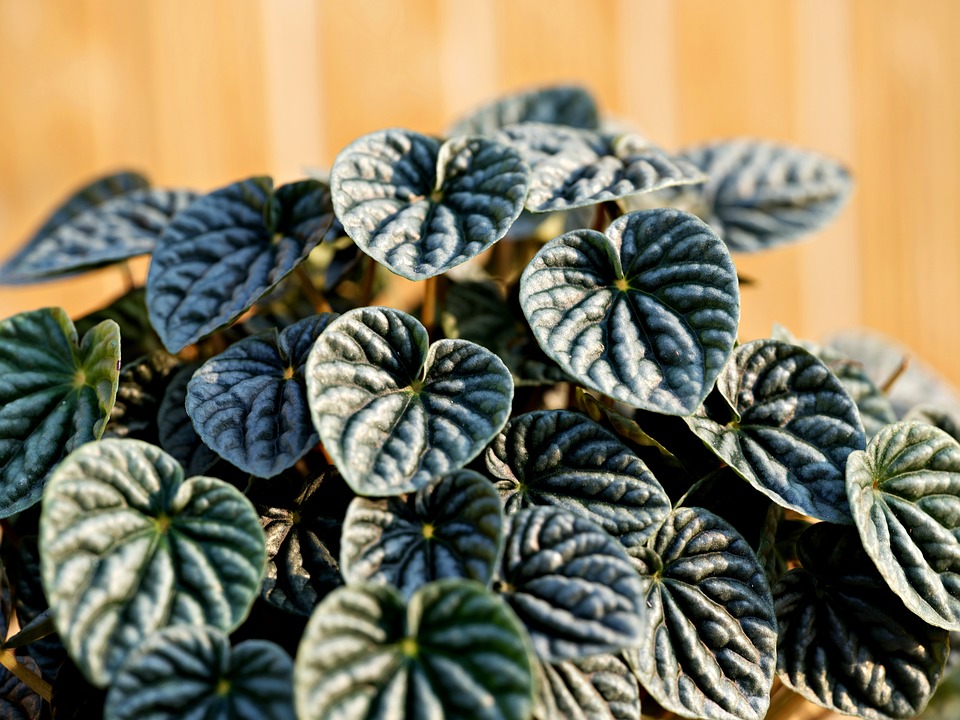

Preparing your emerald ripple peperomia for the winter months is a critical task that ensures it survives the darkest part of the year in good health. As the outdoor temperatures drop and the daylight hours shorten, your indoor environment undergoes significant changes that affect your plants. You need to adjust your care routine to match the slower metabolic pace that the plant naturally adopts during this time. A thoughtful winter strategy will result in a plant that is ready to explode with growth once the spring arrives.
The reduction in natural light is perhaps the biggest challenge that your indoor garden faces during the winter season. You might notice that your emerald ripple peperomia starts to look a bit less vibrant as it struggles to perform photosynthesis with less energy. It is often a good idea to move your plant closer to the window during these months to maximize the available illumination. Just be careful that the leaves aren’t touching the cold glass, as this can cause temperature shock and tissue damage.
Indoor heating systems create a very dry atmosphere that can be quite stressful for a plant that loves moderate humidity. You will find that the soil dries out in a different way when the radiators are running constantly throughout the day and night. It is important to find ways to boost the moisture in the air around your plant without making the soil too wet. Many gardeners use small humidifiers or group their plants together to create a more favorable microclimate for the winter.
Monitoring the temperature near your windows and doors is essential to protect your plant from sudden cold drafts. A blast of freezing air from an open door can cause the delicate foliage of the emerald ripple peperomia to wilt and turn black. You should aim to keep the temperature as stable as possible, avoiding the extreme highs and lows that can occur in a poorly insulated room. Consistency is the key to keeping your tropical plants happy when it’s freezing outside.
Adjusting the watering routine
One of the most common mistakes people make during the winter is continuing to water on their summer schedule. Since the plant is growing much more slowly, it requires significantly less hydration to maintain its basic functions. You should wait until the soil is much drier than usual before you even think about picking up the watering can. Overwatering in a cool, dark room is the fastest way to cause root rot and lose your favorite plant entirely.
More articles on this topic
The way the plant uses water changes when the light levels are low and the air is perhaps a bit cooler than in the summer. Evaporation from the leaf surfaces is reduced, meaning the moisture stays in the soil and the plant’s tissues for a longer period. You can test the weight of the pot to get a sense of how much water is still being held within the substrate. A light pot usually means it is finally time for a drink, while a heavy one tells you to wait.
Always use room-temperature water when you do need to hydrate your emerald ripple peperomia during the winter months. Using ice-cold water straight from the tap can shock the roots and cause the plant to drop its leaves in protest. Taking the time to let the water sit and warm up is a small but important detail that makes a big difference. Your plant will appreciate the gentle transition and remain much more stable throughout the colder part of the year.
If you have your plant in a decorative outer pot, make sure you aren’t allowing water to sit in the bottom after you finish. Stagnant water in a cool environment is a recipe for disaster and will quickly lead to fungal issues and crown rot. Always double-check that the drainage is working perfectly and that the plant is never sitting in a puddle. This simple habit is the best insurance policy you have against the most common winter gardening pitfalls.
Light and temperature management
Finding the right spot for your plant in the winter might require a bit of trial and error as the sun moves lower in the sky. You might find that a south-facing window that was too bright in the summer is now the perfect location for your greenery. Don’t be afraid to move your plants around the house to chase the best light as the weeks go by. The goal is to provide as much indirect light as possible to keep the plant’s energy levels up until the days get longer.
More articles on this topic
Artificial lighting can be a great supplement if your home doesn’t receive enough natural light during the dark winter days. A simple LED grow light can provide the specific spectrum of light that the emerald ripple peperomia needs to thrive. You don’t need an expensive professional setup to see the benefits of a little bit of extra illumination for a few hours each day. This can be especially helpful in rooms with small windows or if you live in a very northern climate.
Avoid placing your plant too close to any heat sources like fireplaces, wood stoves, or forced-air vents. The intense, localized heat can dry out the foliage much faster than the plant can replenish its moisture from the soil. It can also cause the plant to enter a confused state where it tries to grow despite the lack of light. Maintaining a distance of at least a meter or two from these heat sources is a safe practice for all your indoor plants.
If you live in an area where the power might go out during a winter storm, be prepared to protect your plants from the cold. You can move them into the center of the house or wrap the pots in bubble wrap to provide a bit of extra insulation. While the emerald ripple peperomia is quite resilient, it cannot survive a hard freeze inside your living room. Having a backup plan ensures that your hard work doesn’t go to waste during an unexpected weather event.
General maintenance and observation
Winter is a good time to step back and let your emerald ripple peperomia rest without too much interference from you. You should stop fertilizing entirely as the plant is not in a phase where it can use the extra nutrients for growth. Adding fertilizer now can lead to a buildup of salts that will burn the roots once the plant wakes up in the spring. Give your plant the gift of a peaceful dormancy so that it can build up its internal reserves for the future.
Cleaning the dust off the leaves is even more important in the winter when every bit of light counts for the plant. A layer of household dust can act like a shade cloth, reducing the amount of energy the plant can capture from the sun. Gently wiping the foliage with a damp cloth also gives you a chance to inspect for any pests that might be hiding. It is a relaxing winter activity that benefits both the health and the beauty of your indoor garden.
You might notice that the plant looks a bit less lush or that a few older leaves at the bottom turn yellow and fall off. As long as this isn’t happening in large numbers, it is usually just a natural part of the plant’s seasonal cycle. Don’t panic and start overwatering or fertilizing in an attempt to “fix” what is a normal biological process. Stay patient and trust that your consistent, moderate care is exactly what the plant needs to get through the winter.
As the days begin to lengthen in late February or March, you can start to transition back to your regular care routine. You will see the plant start to perk up and perhaps put out a few tiny new leaves from the center of the mound. This is the signal that your winter care has been successful and a new growing season is about to begin. It is always a rewarding moment to see your plants emerge from their rest looking healthy and ready for spring.