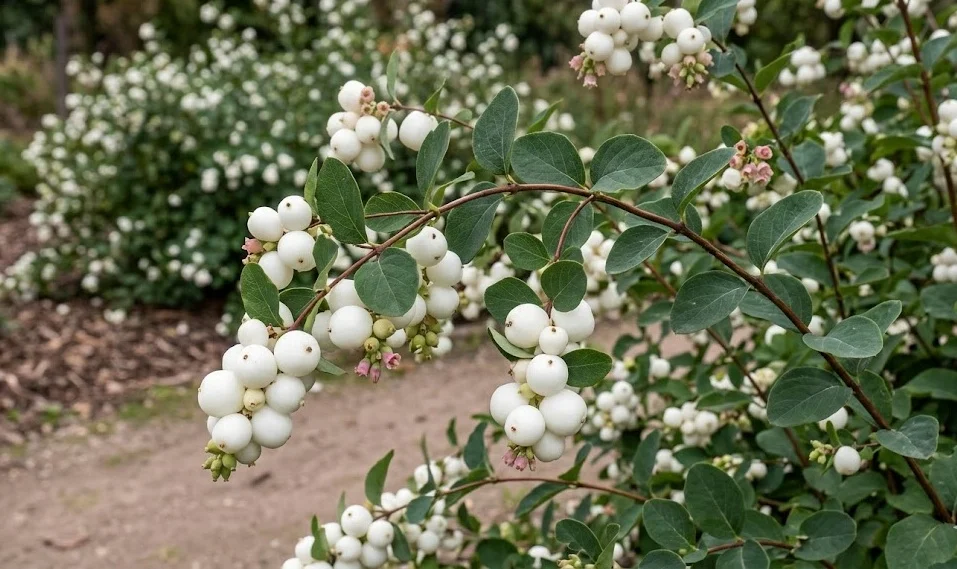

The common snowberry is renowned for its exceptional hardiness, making it a reliable performer even in regions with severely cold winters. However, ensuring that this shrub emerges from its dormant period with full vigor requires more than just leaving it to its own devices. Professional overwintering practices focus on protecting the plant’s structural integrity and its root health from the physical and environmental stresses of the season. By following a disciplined winter care routine, gardeners can guarantee a spectacular display of foliage and berries in the following year.
The transition into winter begins long before the first frost arrives, as the plant naturally slows its growth and begins to harden off its tissues. A professional approach to this period involves gradually reducing water and withholding nitrogen-rich fertilizers to discourage soft, new growth that would be easily damaged by the cold. This hardening process is essential for the plant’s internal physiology to adjust to the dropping temperatures and shorter day lengths. Understanding these natural rhythms is the first step in successful overwintering for any temperate woody species.
Snow and ice can pose a physical threat to the arched branches of the common snowberry, especially when they are still laden with the season’s berries. While the plant is flexible, heavy accumulations can lead to broken stems or a permanently misshapen habit if not managed correctly. Professional winter care includes strategies for minimizing this physical damage while maintaining the shrub’s ornamental value during the coldest months. Protecting the framework of the plant ensures that it is ready to resume growth as soon as the spring warmth returns.
The root zone remains active even when the top of the plant is dormant, and protecting it from extreme temperature fluctuations and desiccation is a key professional goal. Maintaining a healthy soil environment throughout the winter prevents root dieback and ensures the plant has easy access to moisture when the ground is not frozen. A professional view of overwintering considers the plant from the tips of its branches down to the deepest parts of its root system. With thoughtful preparation, the common snowberry can withstand almost anything the winter season throws its way.
Preparing the shrub for the dormant season
As the days shorten and the temperatures begin to drop, the common snowberry enters a phase of preparation known as acclimation. During this time, the plant shifts its energy from active growth to the storage of carbohydrates and the strengthening of its cell walls. Professional gardeners support this process by avoiding any heavy pruning in the late summer or early autumn, which might stimulate unnecessary new growth. Ensuring the plant is well-hydrated before the ground freezes is another critical step in preparing it for the challenges ahead.
More articles on this topic
Clearing away any diseased foliage or fallen fruit from around the base of the shrub is a professional standard for late-season care. This practice reduces the amount of overwintering pathogens and pests that could threaten the plant when it wakes up in the spring. If the shrub has shown signs of fungal issues during the summer, this cleanup is especially important for breaking the disease cycle. A tidy garden is not just about aesthetics; it is a functional part of a professional health management plan for the entire landscape.
Mulching is one of the most effective tools a professional can use to protect the snowberry during the winter months. A fresh layer of organic material applied in the late autumn helps to regulate soil temperatures and prevents the “heaving” that can occur with repeated freezing and thawing. This layer also acts as a reservoir of moisture, which is vital for the plant’s survival during dry, windy winter periods. Professionals ensure the mulch is spread evenly and kept slightly away from the base of the stems to prevent moisture from causing rot.
The final pre-winter inspection involves checking for any structural weaknesses that could lead to branch failure under the weight of snow. If a shrub has become overly leggy or has crossing branches, a light thinning can improve its ability to shed snow and ice. This is also a good time to check any labels or markers to ensure they are secure and legible for the coming season. By taking these proactive steps, the professional gardener ensures the snowberry is in the best possible condition to handle the winter weather.
Managing physical stress and winter damage
Heavy snowfall can be both a blessing and a burden for the common snowberry in a professional landscape setting. While a layer of snow can act as an insulator for the roots and lower stems, the weight of it can cause the branches to bend to the point of breaking. Professional maintenance often involves gently shaking excess snow from the branches after a heavy storm to prevent permanent damage. It is important to do this carefully, as frozen wood is more brittle and can snap easily if handled too roughly.
More articles on this topic
Ice storms are particularly hazardous because the weight of the ice is much greater and more difficult to remove without damaging the plant. In these situations, the professional advice is often to let the ice melt naturally rather than trying to chip it away, which can tear the bark and damage buds. Once the ice has cleared, a thorough inspection should be carried out to identify and cleanly remove any broken or splintered stems. A quick professional response to physical damage prevents further issues like disease or pest entry through open wounds.
Desiccation, or drying out, is a common but often overlooked form of winter damage, especially in regions with high winds and low humidity. Even when dormant, woody plants like the snowberry continue to lose a small amount of moisture through their stems. If the ground is frozen and the plant cannot replace this water, the tissues can become severely dehydrated and die back. Providing windbreaks or using anti-desiccant sprays can help to protect particularly vulnerable specimens in exposed professional sites.
Salt damage from nearby roads or walkways is another challenge that the common snowberry may face in urban or commercial landscapes. De-icing salts can burn the foliage and twigs and can also build up in the soil, making it difficult for the roots to take up water. Professionals manage this by choosing planting sites away from direct salt spray or by rinsing the shrubs and soil with fresh water in the early spring. Understanding these urban environmental pressures is an essential part of professional landscape management in cold climates.
Monitoring root health and soil moisture
The health of the root system during the winter is a primary concern for the professional gardener, as it dictates the plant’s performance in the spring. While the shrub is dormant, its roots still require a baseline level of moisture to survive and maintain their cellular integrity. In areas with dry winters and no snow cover, an occasional deep watering during a warm spell can be a life-saver for the snowberry. This is especially true for young shrubs that have not yet established an extensive root network deep in the soil.
Soil temperature fluctuations are another factor that can impact root health, particularly for plants in containers or raised beds. The goal of professional overwintering is to keep the root zone at a relatively stable temperature to avoid the stress of rapid freezing and thawing. Using insulating materials or simply grouping containers together can provide a more protected microclimate for the plants. For field-grown snowberries, a thick layer of mulch is usually sufficient to provide the necessary thermal protection.
Professional gardeners also monitor for any signs of rodent damage during the winter, as mice and voles often seek shelter and food under the mulch. These animals can girdles the stems of the snowberry by chewing on the bark, which can lead to the death of the entire branch or even the whole shrub. Keeping the mulch a few inches away from the base of the stems and using physical guards if necessary are standard professional practices. A proactive approach to pest management during the dormant season prevents unpleasant surprises when the snow finally melts.
As winter draws to a close, a professional evaluation of the soil’s condition will help in planning the first spring maintenance tasks. If the soil has become compacted by snow or heavy rain, aeration may be needed to ensure oxygen and water can reach the roots. This period of transition is a busy time for the professional, as they prepare to support the plant through its most rapid phase of growth. The care provided during the winter directly contributes to the success and beauty of the common snowberry throughout the rest of the year.
Transitioning back to active growth
The awakening of the common snowberry in the early spring is a sign that the professional overwintering plan has been successful. As the soil warms and the days lengthen, the plant begins to draw on its stored energy reserves to push out new leaves and stems. Professional care during this transition involves a gradual increase in watering and the application of a balanced fertilizer to support this new growth. It is important to wait until the danger of hard frosts has passed before encouraging too much rapid development.
Pruning at this stage is a professional standard, as it allows for the removal of any winter-damaged wood before the plant puts too much energy into it. This is also the best time for structural pruning to reshape the shrub and encourage a bushier habit for the coming season. Clear, sharp cuts made just above a healthy bud will heal quickly and promote vigorous new shoots. A professional spring cleanup and pruning session sets the stage for a healthy and productive year for the snowberry.
Inspecting the plant for any pests or diseases that may have overwintered in the bark or nearby debris is another critical spring task. Catching these issues early, before the canopy fills in, makes treatment much easier and more effective for the professional gardener. Monitoring the emergence of new growth also provides feedback on the health of the root system and the success of the overwintering practices. A healthy, vigorous start in the spring is the ultimate reward for a well-executed winter care routine.
Ultimately, the common snowberry’s ability to thrive in cold climates is one of its greatest assets, but it is the professional care that truly allows it to shine. By understanding the plant’s needs during its dormant period and protecting it from physical and environmental stresses, you can ensure its longevity. This remarkable shrub provides a sense of continuity and beauty in the garden, regardless of the season. Dedication to professional standards in overwintering is an investment in the perennial beauty of the landscape.