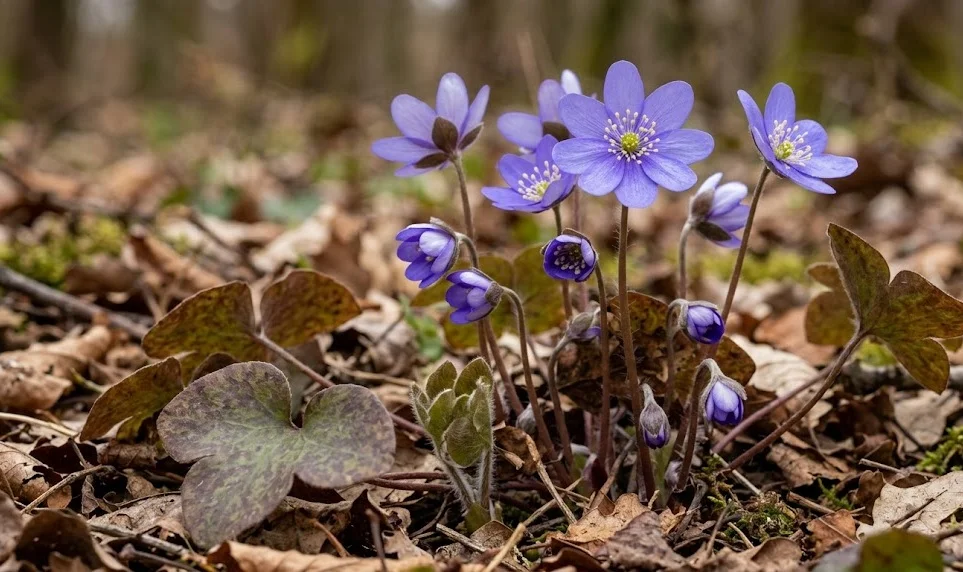

The successful overwintering of the common liverwort is a critical phase in its annual cycle that requires careful preparation and an understanding of its winter needs. While these plants are naturally cold-hardy and adapted to temperate climates, a garden setting can sometimes expose them to stresses they wouldn’t face in the wild. A professional overwintering strategy focuses on protecting the plant from desiccation, extreme temperature swings, and the physical weight of heavy snow. Ensuring your liverworts survive the winter in peak condition is the secret to a truly spectacular spring blooming season.
The physiological preparation for winter begins long before the first frost arrives as the plant starts to slow its growth and store energy in its roots. You should support this natural process by gradually reducing the amount of water and avoiding any late-season fertilization that might encourage tender new growth. The goal is to let the plant “harden off” naturally so that its tissues are better able to withstand the coming freezing temperatures. This transition is a vital part of the plant’s survival strategy and should be respected by the gardener.
One of the most effective ways to protect your liverworts during the winter is to provide a thick, insulating layer of natural organic mulch. In a forest, falling leaves naturally accumulate around the base of the plant, creating a protective blanket that stabilizes the ground temperature. You can replicate this by carefully placing a layer of shredded leaves or pine needles around the crown of the plant in late autumn. This mulch also helps to retain soil moisture during dry winter spells, preventing the roots from drying out and dying.
Physical protection from cold, drying winds is often more important than protection from the absolute temperature itself. In an open garden, winter winds can strip moisture from the semi-evergreen leaves faster than the cold roots can replace it, leading to a condition known as winter burn. Planting your liverworts in a sheltered location, such as near a wall or under the protection of evergreen shrubs, can provide a significant advantage. If your garden is particularly exposed, you might consider using a temporary windbreak made of burlap or evergreen branches.
Snow cover is actually a gardener’s best friend during the winter, acting as a highly effective and natural insulating layer for the ground. A thick blanket of snow keeps the soil temperature relatively constant and protects the plants from the most extreme fluctuations in the air temperature. However, be careful with heavy, wet snow that can physically crush the delicate crown or the persistent foliage of the liverwort. Gently brushing away excessive snow from the center of the plant can prevent mechanical damage without sacrificing the benefits of the insulation.
More articles on this topic
Understanding the winter dormancy cycle
Dormancy is not a period of total inactivity but rather a shift in the plant’s metabolic priorities toward survival and preparation. Inside the plant, complex chemical changes are occurring that prevent the cells from freezing and bursting during the coldest nights of the year. The sugars and other compounds stored in the rhizomes act as a form of natural antifreeze, allowing the plant to survive temperatures far below freezing. This remarkable adaptation is what makes the common liverwort such a resilient and successful inhabitant of our northern forests.
The semi-evergreen foliage of the liverwort often persists through the winter, although it may turn a dark, purplish-green or bronze color. These leaves continue to perform limited photosynthesis on milder winter days, providing a small but steady stream of energy to the dormant plant. You should avoid the temptation to cut back this older foliage until the new growth begins in the spring, as it still serves a functional purpose. Protecting these leaves from the worst of the winter weather will ensure the plant remains healthy and strong.
Monitoring the soil moisture levels during the winter is an important but often neglected task for the dedicated gardener. While the plant’s water needs are significantly lower, the roots still require some moisture to remain viable and prevent desiccation. If the winter is unusually dry and the ground is not frozen, a light watering on a mild morning can be very beneficial for the plant’s health. Always check the soil under the mulch layer to get an accurate sense of the moisture levels before deciding to add any water.
As the days begin to lengthen in late winter, the plant’s internal clock begins to signal the end of the dormancy period. You might notice the flower buds deep in the crown starting to swell and become more prominent even before the last of the snow has melted. This “spring awakening” is a critical time when the plant is particularly vulnerable to late-season frosts and cold snaps. Professional gardeners pay close attention to the weather during this transition and are ready to provide extra protection if a sudden freeze is predicted.
More articles on this topic
Protecting the crown from rot and moisture
The most significant threat to the common liverwort during the winter is not the cold, but excessive moisture trapped around the crown. Cold, wet soil is the perfect breeding ground for various fungal pathogens that can cause the crown and roots to rot and die. This is why excellent drainage is such a professional priority when planting these woodland species in a garden setting. You must ensure that winter rains and melting snow can drain away quickly from the base of the plant to keep the crown as dry as possible.
Avoiding the use of heavy, moisture-retentive mulches like wet grass clippings or fresh manure is essential for the health of the plant during the winter. These materials can become compacted and soggy, cutting off the air supply to the roots and encouraging the growth of rot-inducing fungi. Instead, stick to loose, airy materials like pine needles or coarse leaf mold that allow for good air circulation while still providing insulation. A thin layer of fine grit around the immediate base of the crown can also help to keep moisture away from the sensitive tissues.
If you are growing your liverworts in containers, you must take extra precautions to protect them from the combined effects of cold and moisture. Potted plants are much more vulnerable to the freezing and thawing of the soil, which can damage the roots and even crack the container itself. You should move the pots to a sheltered, unheated spot like a porch or a cold frame for the duration of the winter. Ensure the pots are raised off the ground on “pot feet” to allow for maximum drainage and prevent them from sitting in puddles.
Regularly checking your plants during the winter can help you identify and address any moisture-related issues before they become fatal. Look for any signs of mold or mushiness around the crown and remove any debris that may be trapping moisture against the plant tissue. If the soil appears to be waterlogged, you might need to carefully adjust the drainage or even create a small diversion to steer water away from the plant. A proactive approach to winter moisture management is the best way to ensure your plants emerge healthy in the spring.
Transitioning from winter to spring growth
The transition from winter dormancy to spring growth is a gradual process that begins as the soil temperatures start to rise in February or March. You should begin by carefully removing some of the heavier winter mulch to allow the sun to warm the ground around the crown. Be careful not to disturb the emerging flower buds, which are often hidden just below the surface and are very delicate. This early spring “cleaning” helps to wake the plant up and signals that it’s time for the new growing season to begin.
As the first flower stalks begin to elongate, you can start to provide a light supplemental watering if the spring weather is particularly dry. This extra hydration will support the rapid growth of the flowers and help the plant produce a more vibrant and long-lasting display. You should also take this opportunity to inspect the older foliage and remove any leaves that were severely damaged during the winter. This task improves the aesthetic appeal of the plant and allows the new flowers to be the star of the show.
Protecting the new spring growth from late-season frosts is a professional challenge that requires constant vigilance and a ready supply of protective materials. If a sudden cold snap is predicted after the buds have begun to open, you should cover the plants overnight with a lightweight frost cloth or an overturned pot. Be sure to remove the covering as soon as the temperatures rise again the next morning to avoid overheating the plant. This extra effort can make the difference between a successful bloom and a season of disappointment.
Finally, take the time to appreciate the resilience and beauty of the common liverwort as it emerges from its long winter rest. These plants are a testament to the power of nature and the effectiveness of a well-executed overwintering strategy. By providing the right protection and care during the cold months, you have ensured another year of enchanting color and interest in your garden. Professional gardening is a year-round commitment that is richly rewarded every spring when the first flowers appear.