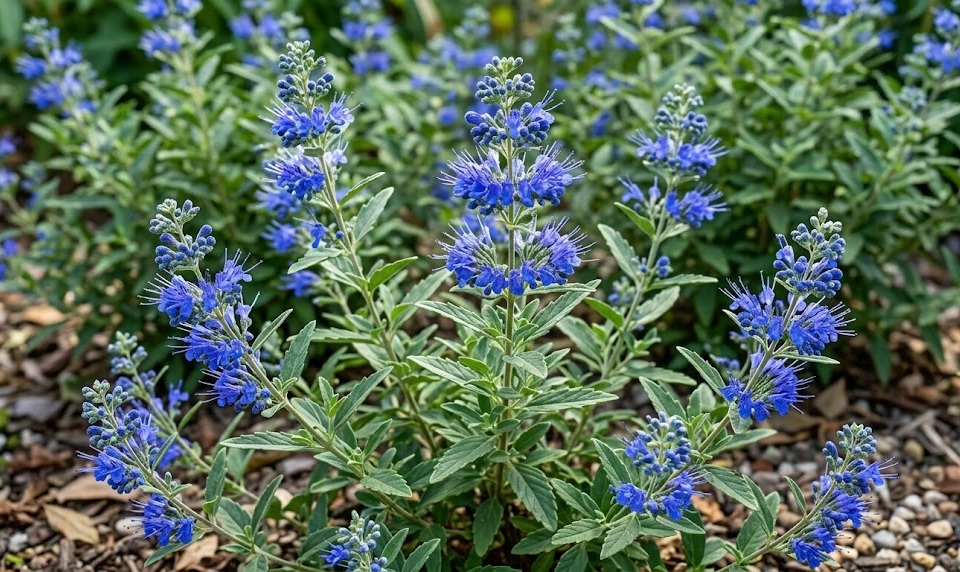

Preparing the bluebeard for the cold months is a critical phase in its annual lifecycle, especially in regions where winter temperatures drop significantly. While this shrub is generally hardy, its semi-woody nature makes it uniquely susceptible to certain types of winter damage. A professional approach to overwintering ensures that the crown and root system remain protected even when the upper stems experience die-back. By understanding the specific needs of the plant during its dormant period, you can guarantee a vigorous return to growth once the spring sun begins to warm the earth.
Hardiness zones and temperature tolerance
The bluebeard is typically rated for USDA hardiness zones 5 through 9, which covers a wide range of climatic conditions. In the warmer end of this spectrum, the shrub may remain largely evergreen or only lose its leaves for a very short period. However, in zones 5 and 6, the plant is often treated as a herbaceous perennial because the stems will reliably die back to the ground each winter. Knowing your local zone is the first step in determining how much extra protection your plant will require during the coldest months.
The critical factor is not just the absolute minimum temperature, but also the duration of the cold and the presence of moisture. A bluebeard can often survive a brief dip into sub-zero temperatures if the soil is dry and the plant is well-established. Conversely, a prolonged period of moderate cold combined with wet, heavy soil can be much more damaging to the sensitive root system. You should research the typical winter patterns in your area to anticipate the specific challenges your garden might face.
In regions that sit on the edge of the plant’s hardiness range, you might experience significant variability in survival from year to year. A particularly mild winter might allow the woody structure to survive intact, leading to a much larger shrub the following season. On the other hand, a “test winter” with extreme fluctuations in temperature can kill the stems entirely, forcing the plant to regrow from the base. This unpredictability is part of the challenge of growing semi-hardy shrubs in professional landscapes.
Monitoring the health of your plants over several winters will give you the best indication of their true resilience in your specific microclimate. You might find that plants located near a warm house wall fare much better than those in the middle of an open, wind-swept field. This observational data allows you to refine your overwintering strategy and provide more targeted protection where it is most needed. Experience is often the best teacher when it comes to navigating the nuances of winter hardiness.
More articles on this topic
Mulching techniques for root zone protection
The root system is the most vital part of the bluebeard to protect during the winter, as it is the source of all new growth in the spring. A generous layer of mulch is the most effective way to insulate the soil and prevent it from freezing and thawing repeatedly. This “frost heaving” can physically push young plants out of the ground or tear the delicate feeder roots that are essential for survival. You should aim for a mulch layer of about five to eight centimeters to provide adequate thermal protection.
Materials like shredded bark, wood chips, or even chopped leaves are excellent choices for winter mulching. These organic materials not only insulate but also slowly break down over the winter, adding beneficial organic matter to the soil. You should apply the mulch in late autumn, after the first light frost has occurred but before the ground has frozen solid. This timing ensures that you are trapping a bit of the earth’s residual heat within the root zone.
When applying the mulch, be careful to keep it a few centimeters away from the actual woody base of the shrub. Piling mulch directly against the stems can trap moisture and encourage bark rot or provide a hiding place for rodents that might chew on the plant. A “donut” shape is much better than a “volcano” shape when it comes to safe and effective mulching practices. This professional technique ensures the roots get the protection they need without compromising the health of the upper plant.
In the spring, you will need to gradually pull back the mulch as the temperatures rise and the new shoots begin to emerge. Leaving the mulch too thick for too long can delay the warming of the soil and slow down the plant’s initial spring growth spurt. By managing the mulch layer throughout the winter and early spring, you create a stable environment that supports the plant’s natural dormant cycle. It is a simple task that yields significant results in terms of plant longevity and vigor.
More articles on this topic
Providing shelter from winter winds and desiccation
In many areas, it is not the cold itself that kills the bluebeard, but rather the drying effect of cold winter winds. Because the plant is deciduous, it does not have leaves to lose moisture, but the stems themselves can become severely dehydrated. This desiccation makes the wood brittle and can kill the dormant buds that are supposed to produce next year’s growth. If your garden is in an exposed location, providing a temporary windbreak can make a huge difference in the plant’s survival.
A simple screen made of burlap or a similar breathable material can be used to shield the shrub from the prevailing winter winds. You should avoid using plastic, as it can trap heat on sunny days and cause the plant to wake up prematurely, only to be hit by frost again at night. The goal of a windbreak is to slow down the air movement around the plant and reduce the rate of moisture loss from the stems. This is especially important for young plants that have not yet developed a large, deep root system.
Snow can also act as a natural insulator, providing a protective blanket that keeps the temperature around the plant much more stable. However, heavy, wet snow can also weigh down the brittle stems and cause them to snap, which can open up the plant to further damage. If you live in an area with frequent heavy snowfalls, you might want to loosely tie the stems together to provide more structural support. This prevents the shrub from being flattened and ensures that the crown remains protected under the snowpack.
If you are growing bluebeards in containers, they are much more vulnerable to the cold because the roots are not insulated by the mass of the earth. You should move these pots to a sheltered, unheated area like a garage or a shed for the duration of the winter. Alternatively, you can bury the entire pot in the ground or wrap it in multiple layers of bubble wrap and burlap. Professional container gardening requires this extra level of attention to ensure that the plants return year after year.
Early spring assessments and revival
As the days grow longer and the soil begins to thaw, it is time to assess how your bluebeard fared over the winter. You should not be alarmed if the upper stems look gray and lifeless, as this is a normal part of the plant’s dormant appearance. The true test of survival will come when the ground warms up and the first signs of green appear at the base of the plant. Patience is key at this stage, as the bluebeard is often one of the last shrubs to wake up in the spring garden.
Wait until you see active growth before you start any major pruning or cleanup around the plant. This allows you to clearly see which parts of the stems have survived and which have been killed by the winter cold. You can then use your pruners to remove the dead wood, cutting back to just above a healthy, green bud. This spring cleaning not only improves the appearance of the shrub but also stimulates the production of the new growth that will bear this year’s flowers.
If the plant shows no signs of life by late spring, you can try a “scratch test” on the stems to see if there is any green tissue underneath the bark. If the tissue is brown and dry all the way to the ground, the plant may have been lost to the winter. However, before you give up and dig it out, wait a few more weeks, as these shrubs are known for surprising gardeners with late-season recoveries. Sometimes the crown survives even when all the visible stems have perished.
Once the plant is actively growing, you can give it a light application of fertilizer to help it recover from the winter and fuel its spring growth. This is also the time to refresh the mulch layer and ensure the soil is receiving adequate moisture as the weather warms up. By following these professional overwintering and revival steps, you ensure that your bluebeard continues to be a highlight of your garden. The effort you put in during the cold months is what makes the spectacular blue blooms of August possible.