
Light adjustment for winter
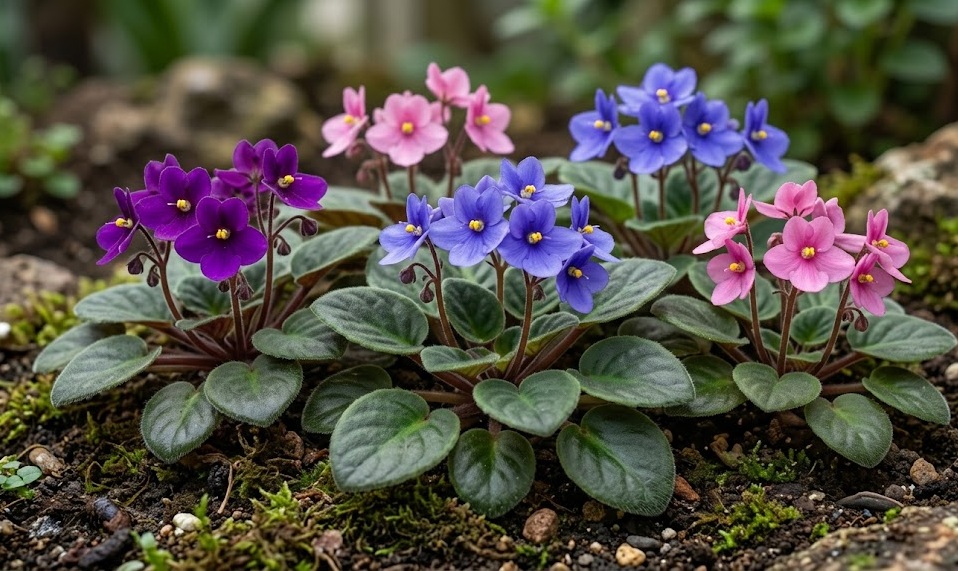
As the natural daylight hours decrease during the winter months, your African violets will experience a significant change in their energy production. In many regions, the intensity of the sun also drops, meaning a window that was perfect in July might be too dark in December. You should consider moving your plants to a more southern exposure to capture as much of the limited winter light as possible. If the leaves start to reach upward or the plant stops blooming, it is a clear sign that it needs more light.
Providing supplemental lighting is a professional solution for keeping African violets productive and healthy throughout the darkest part of the year. Modern LED grow lights are energy-efficient and can be placed close to the plants without the risk of heat damage. You should aim for about twelve to fourteen hours of light per day to maintain a consistent blooming cycle. A simple plug-in timer can automate this process, ensuring your plants receive exactly what they need even when you are busy.
You must also be careful about the distance between the plants and the light source to avoid “bleaching” the foliage. If the leaves in the center of the rosette start to turn pale or yellowish, the light may be too intense or too close. Conversely, if the stems become long and spindly, the light is either too weak or too far away. Finding the “sweet spot” requires a bit of experimentation and daily observation as the plant reacts to its new lighting setup.
Cleaning your windows during the winter can also make a surprising difference in the amount of usable light reaching your indoor garden. Dust and grime on the glass can block a significant percentage of the sun’s rays, which are already in short supply. Similarly, ensure that the leaves of your plants are kept clean so they can photosynthesize as efficiently as possible. These small adjustments work together to help your African violets bridge the gap until the brighter days of spring arrive.
Managing indoor dry air
Central heating systems in modern homes can cause the indoor humidity levels to plummet during the winter, often dropping below twenty percent. African violets are native to humid tropical regions and can suffer greatly when the air becomes excessively dry. You might notice the flower buds drying up before they open, a condition often referred to as “blasting.” The edges of the leaves may also become crispy and brown as the plant struggles to maintain its internal moisture balance.
More articles on this topic
To combat this dry air, you can group your plants together to create a small microclimate where moisture is trapped between the leaves. Using a humidity tray filled with water and pebbles is another effective and low-maintenance way to boost the local humidity around your pots. Ensure that the water level is always below the top of the pebbles so the pots do not sit directly in the water. For larger collections, a dedicated room humidifier might be necessary to keep the air within the ideal forty to sixty percent range.
Avoid placing your plants near heat vents, radiators, or fireplaces, as the direct flow of warm, dry air will quickly dehydrate the foliage. The sudden temperature fluctuations caused by heating cycles can also stress the plant and lead to leaf drop or stunted growth. If you have no other choice but to place them near a vent, use a deflector to direct the air away from the plants. Creating a stable and humid sanctuary for your violets is one of the most important aspects of successful winter care.
Misting the leaves is generally not recommended for African violets because it can lead to fungal issues and unsightly water spots. If you must mist the air around the plants, use a very fine mister and ensure the water is at room temperature. It is much safer and more effective to increase the overall humidity of the room rather than applying water directly to the foliage. Monitoring the humidity with a simple digital hygrometer will give you the data you need to make informed decisions about your plant’s care.
Winter watering precautions
The lower light levels and cooler temperatures of winter mean that your African violets will not process water as quickly as they do in the summer. It is very easy to overwater during this time, which is the leading cause of root rot and plant death in the winter months. You should always check the soil moisture with your finger before adding any water, even if you are on a regular schedule. If the soil feels damp at all, wait a few more days and check again before proceeding.
More articles on this topic
Using lukewarm or room-temperature water is even more critical during the winter to avoid shocking the roots. If the water is too cold, it can cause the plant to enter a state of dormancy or lead to permanent damage to the leaf tissue. Simply filling your watering can the night before and letting it sit in the room is an easy way to ensure the temperature is safe. This practice also allows any dissolved gases to escape, making the water slightly more stable for your delicate plants.
If you use a wick watering system, you might find that the soil stays a bit too wet during the coldest weeks of the year. You may need to remove the plants from their reservoirs and water them by hand occasionally to allow the soil to dry out slightly. This manual intervention prevents the root zone from becoming stagnant and encourages the roots to “breathe” more effectively. Every collection is different, so you must be prepared to adapt your methods based on the specific conditions in your home.
Be particularly careful about water splashing onto the leaves when the indoor temperatures are lower. In the summer, a stray drop might evaporate quickly, but in the winter, it can sit on the leaf for hours, providing a perfect environment for fungal spores. If you do get the foliage wet, use a soft cloth or tissue to gently blot the water away immediately. Proper watering technique is the foundation of winter survival for these beautiful but sensitive tropical plants.
Dormancy and slowed growth
It is perfectly normal for African violets to experience a period of slowed growth or a “rest phase” during the middle of winter. You may notice that the plant produces fewer flowers or that the new leaves emerge more slowly than they did in the spring. Do not try to force the plant to grow by adding more fertilizer or water, as this will only lead to stress and potential health problems. Instead, accept this as a natural part of the plant’s life cycle and provide it with a stable, supportive environment.
Reducing your fertilization routine is a key part of managing this slowed growth period effectively. Most experts recommend cutting the strength of the fertilizer in half or stopping it entirely during the two darkest months of the year. This prevents the buildup of unused mineral salts in the soil, which can burn the roots and affect the pH of the medium. Once you see the natural light levels increasing and the plant showing signs of new growth, you can gradually resume your normal feeding schedule.
This “quiet” period is an excellent time to focus on grooming and maintaining the overall cleanliness of your collection. Remove any dead leaves or spent flower stalks that might be harboring pests or disease during the winter. You can also use a soft brush to remove dust from the leaves, which helps the plant make the most of the limited light available. Taking care of these small tasks now will ensure that your plants are in top condition when the peak growing season returns.
Finally, keep a close eye on the temperature near your windows, as cold glass can radiate a chill that is much colder than the rest of the room. If the leaves of your violets start to curl downward or become brittle, they are likely too cold and should be moved further into the room. A consistent temperature between sixty-five and seventy degrees Fahrenheit is ideal for keeping the plant comfortable through the winter. With a little extra attention and care, your African violets will emerge from the winter ready to put on a spectacular floral display.