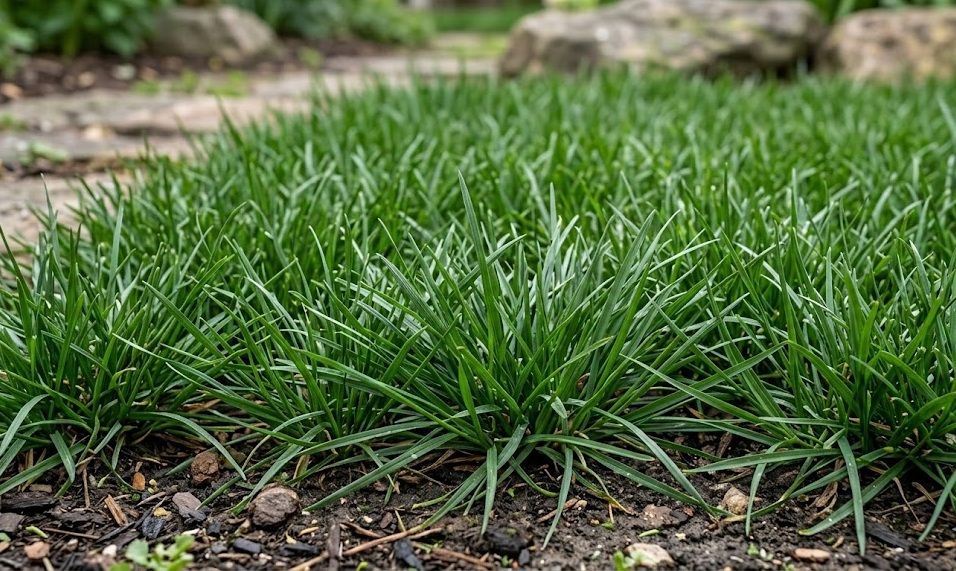

Preparing your lawn for the cold months is a vital part of the annual cycle that ensures a quick and healthy green-up in the spring. Tall fescue is a cool-season grass, meaning it is naturally adapted to colder temperatures, but it still requires some help to navigate the harshest winter conditions. Proper preparation involves strengthening the plants from the inside and protecting the soil surface from physical and environmental damage. By following a structured overwintering plan, you can protect your investment and ensure that your landscape remains resilient throughout the dormant season.
Late season nutrient preparation
The most important step in preparing your lawn for winter happens in the late autumn with the application of a “winterizer” fertilizer. This final feeding should be lower in nitrogen and higher in potassium to focus on root strength and cellular health rather than leafy growth. Potassium helps the plant regulate its internal fluids, preventing the formation of ice crystals that could rupture the cell walls during a deep freeze. This internal fortification is what allows the grass to survive the physiological stress of being dormant for several months.
Avoiding high-nitrogen fertilizers in the late autumn is critical because you do not want to encourage a flush of tender new growth right before the first frost. These young shoots are very high in water content and lack the structural integrity to withstand freezing temperatures, leading to significant winter kill. If the grass is forced into active growth too late in the season, it also depletes the energy reserves that it needs to survive the winter and start growing again in the spring. A professional approach focuses on slow, steady hardening of the plants as the days grow shorter.
Storing energy in the form of carbohydrates is the primary goal of the grass as it prepares for its dormant period. The roots and the crown of the plant act as a biological “battery,” holding the fuel that will power the first surge of growth when the soil warms up again. Providing the right balance of nutrients during the autumn ensures that these reserves are as full as possible, giving the lawn a head start in the new year. A well-fed lawn will not only survive the winter better but will also be much more resistant to spring diseases.
Soil testing in the autumn can reveal any deficiencies that might hinder the overwintering process or the subsequent spring recovery. If your soil pH has drifted out of the ideal range, the autumn is a great time to apply amendments like lime or sulfur, as they will have several months to react with the soil. Ensuring that the foundation is solid before the ground freezes will make all of your other maintenance tasks more effective. Professional managers know that the work you do in the autumn determines the success of the following year.
More articles on this topic
Cleaning and debris management
Removing fallen leaves is a non-negotiable task for anyone who wants to maintain a healthy and professional-looking lawn through the winter. If leaves are left to sit on the grass, they form a heavy, wet mat that blocks out sunlight and prevents the flow of air. This environment is perfect for the development of “snow mold” and other fungal diseases that can kill large patches of grass in a very short time. Regular raking or using a mulching mower to break the leaves into tiny pieces is essential for protecting the turf.
If you choose to mulch your leaves, make sure the pieces are small enough to fall between the grass blades and reach the soil surface. These tiny fragments of organic matter will decompose over the winter, providing a natural source of nutrients and improving the soil structure for the coming year. However, if the leaf layer is too thick, even mulched leaves can smother the grass, so you may need to bag and remove some of the excess. The goal is to keep the “canopy” of the grass clear so it can continue to process what little sunlight is available in the late autumn.
Clearing away garden furniture, toys, and other heavy objects from the lawn area is another important part of winter preparation. Any object left on the grass for an extended period will compress the soil and smother the plants, leaving dead spots that will be difficult to repair in the spring. These areas are also more prone to compaction, which further hinders root health and water penetration once the growing season begins. Taking the time to tidy up the landscape will ensure that the entire lawn is ready to wake up uniformly when the weather breaks.
Cleaning out your gutters and ensuring that downspouts are directed away from the lawn can prevent ice buildup and waterlogging during the winter. Excessive moisture in one spot can lead to root rot or create “ice sheets” that can suffocate the grass if they persist for too long. By managing the flow of water around your property, you protect the most sensitive areas of your landscape from accidental damage. A little bit of preventive maintenance in the late autumn can save you a lot of headache and repair work in the spring.
More articles on this topic
Protecting the dormant turf
Once the ground has frozen and the grass has entered dormancy, the best thing you can do for your lawn is to leave it alone. Walking on frozen grass can be extremely damaging because the brittle blades can snap and the crown of the plant—the vital growing point—can be crushed. These physical injuries create wounds that are slow to heal and can provide entry points for diseases once the temperatures start to rise. If possible, designate specific paths for winter traffic and keep everyone off the main turf areas until the frost is gone.
Salt and de-icing chemicals used on sidewalks and driveways can be very harmful to the surrounding grass if they wash into the soil. High concentrations of salt draw moisture out of the roots, leading to a condition known as “physiological drought” where the plant dies from dehydration even if there is plenty of water around. You should try to use salt alternatives whenever possible or be very careful to keep the chemicals away from the edges of the lawn. If salt does get on the grass, flushing the area with plenty of water in the early spring can help wash it away.
In areas where heavy snow is common, avoid piling up large mounds of snow on the edge of the lawn when clearing your driveway. The weight of these piles can cause severe soil compaction and the prolonged moisture can encourage the growth of snow mold as the pile slowly melts. Try to distribute the snow evenly across the landscape or move it to areas where there is no sensitive vegetation. Managing where the snow goes is a simple but effective way to protect the integrity of your professional green spaces.
Wind desiccation is a common problem for this grass species in regions with cold, dry winters and little snow cover. Without a protective blanket of snow, the cold winds can strip moisture from the dormant blades, causing them to turn brown and brittle. While you can’t control the wind, maintaining a slightly higher mowing height in the late autumn provides some natural protection for the crown and soil surface. Ensuring the lawn is well-hydrated before the first hard freeze will also help the plants resist the drying effects of the winter air.
Spring awakening and recovery
As the soil temperatures begin to rise in the early spring, your lawn will slowly start to emerge from its winter sleep. This is a fragile time for the grass, as the roots are just beginning to function again and the new shoots are very tender. You should avoid any heavy maintenance, such as aggressive raking or aeration, until the soil has dried out and the grass is actively growing. Patience is key during the first few weeks of spring to ensure you don’t damage the plants as they are trying to rebuild their strength.
If you notice any areas of snow mold—appearing as circular, matted patches of gray or pink fuzzy growth—you should gently rake them to break up the mat. This allows air to reach the soil and helps the grass dry out, which naturally stops the fungus from spreading further. In most cases, the grass will recover on its own once the weather warms up and the growth cycle accelerates. Only in severe cases, where the crown of the plant has been killed, will you need to consider patching or overseeding those specific spots.
The first fertilization of the spring should be light and timed to coincide with the start of active growth. You want to provide enough nutrients to support the new shoots without forcing the plant into a sudden, weak growth spurt that could be damaged by a late frost. This initial feeding also helps the grass recover from any winter stress and start building the dense canopy that will protect it during the summer. A professional approach to spring care is all about providing a gentle boost to the natural biological processes of the lawn.
Monitoring the moisture levels as the ground thaws is essential to ensure that the roots have what they need to start functioning. If the spring is particularly dry, you may need to provide some supplemental irrigation to help the grass wake up and start growing. On the other hand, if the soil remains waterlogged for too long, you might need to address any drainage issues that became apparent over the winter. Success in overwintering is a continuous process that transitions seamlessly into your spring maintenance routine.