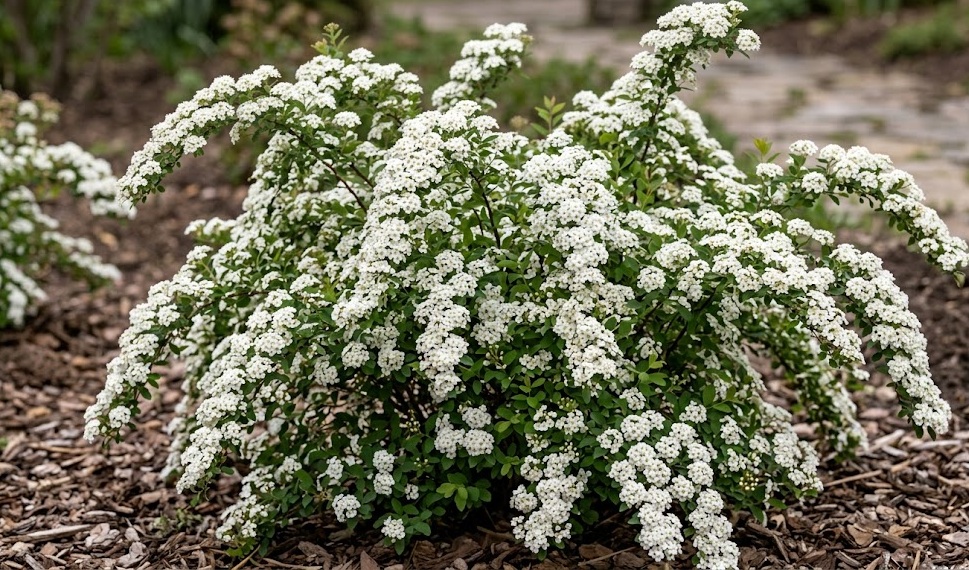

Overwintering spiraea is a straightforward process, as most common varieties are exceptionally hardy and well-adapted to cold climates. However, taking a few professional precautions can ensure that your shrubs emerge in the spring with maximum vigor and minimal winter damage. Preparing the plant for the dormant season involves managing its water levels and providing a layer of protection for the root zone. A little bit of effort in the late autumn pays off significantly when the first green buds appear in the new year.
The primary goal of winter preparation is to protect the plant from extreme temperature fluctuations and drying winds. While the stems themselves are quite tough, the root system is more vulnerable if the ground freezes and thaws repeatedly throughout the winter. Providing a stable soil environment helps the plant maintain its internal moisture levels even when it is not actively growing. Understanding the local climate patterns will help you determine how much intervention is actually necessary for your specific garden.
Container-grown specimens require a slightly different approach to overwintering compared to those planted directly in the ground. Because their roots are more exposed to the air, they are at a higher risk of freezing solid and suffering from cold damage. Professional gardeners often move these pots to more sheltered locations or provide additional insulation around the containers themselves. Taking these extra steps ensures that your potted shrubs remain as healthy and productive as their in-ground counterparts.
As the days get shorter and the temperatures drop, you will notice the plant naturally begins to transition into its dormant state. This process is triggered by environmental cues and involves moving energy from the leaves down into the woody stems and roots. Your role during this time is to support this natural transition without doing anything that might stimulate new, tender growth. A professional-grade winter care routine respects the plant’s need for rest and prepares it for a successful spring emergence.
Pre-winter preparation
The first step in a professional overwintering routine begins well before the first frost actually arrives in your area. You should gradually reduce the amount of supplemental water you provide as the weather cools down in late autumn. This helps the plant understand that the growing season is ending and encourages it to begin the hardening-off process. However, you must ensure that the plant does not go into winter completely bone-dry, as hydrated tissues are more resistant to cold damage.
More articles on this topic
It is also important to stop all fertilization by late summer to prevent the stimulation of soft, new growth that won’t survive the winter. This tender growth is very susceptible to frost and can become an entry point for various issues that might affect the rest of the plant. Allow the plant to focus its remaining energy on maturing its existing wood and storing carbohydrates for the dormant months ahead. This natural cycle of ripening is essential for the long-term structural integrity of the shrub.
Take some time to clean up the area around the base of the plant by removing fallen leaves and any other garden debris. This material can harbor pests or fungal spores that will happily overwinter and cause problems in the spring. A clean garden bed not only looks more professional but is also a much healthier environment for the plant during its period of rest. You can use this collected material to start a compost pile that will eventually provide nutrients back to the garden.
Finally, do a quick inspection of the branches to identify any that are dead, diseased, or already broken before the snow starts to fall. Removing these now prevents them from breaking further under the weight of winter precipitation and potentially damaging healthy parts of the shrub. However, avoid heavy pruning at this time, as it can sometimes encourage the plant to wake up prematurely if the weather turns mild. Stick to light maintenance to keep the plant tidy and safe during the winter storms.
Insulating the root zone
Protecting the root system is perhaps the most important part of ensuring your shrubs survive a particularly harsh or unpredictable winter. Applying a fresh layer of mulch in late autumn is a simple and effective way to provide this necessary insulation for the ground. This layer helps to keep the soil temperature more consistent, preventing the damaging cycle of freezing and thawing that can heave roots out of the earth. A thickness of about three inches is ideal for providing maximum protection without smothering the plant’s crown.
More articles on this topic
Choose a natural, organic mulch such as shredded bark, wood chips, or even pine needles for the best results in your garden landscape. These materials will not only protect the roots but will also slowly break down and improve the soil quality over time. Be careful not to pile the mulch directly against the stems of the shrub, as this can trap moisture and cause the bark to decay. Leaving a small gap around the center of the plant is a professional technique that prevents many avoidable issues.
In areas with very little snow cover, the ground can freeze much deeper than in regions where a thick blanket of snow acts as a natural insulator. If you live in such a climate, you might consider adding an even thicker layer of mulch or using fallen leaves as an extra protective barrier. This extra insulation is especially important for young plants that have not yet developed a deep and extensive root network. Protecting the foundation of the plant ensures that it has the resources it needs to bounce back quickly in the spring.
If your garden is located in a particularly windy area, you may also need to think about protecting the soil from being dried out by cold winter gusts. Wind can strip moisture from the ground and the stems much faster than most people realize, even in the middle of winter. Providing a windbreak or simply ensuring the mulch is well-distributed can help mitigate this risk for your ornamental shrubs. A professional-grade approach to winter care considers all the environmental factors that can impact the plant’s health.
Managing container-grown plants
Growing shrubs in containers is a great way to add structure to patios and walkways, but it does require extra care during the winter months. Because the roots are elevated above the ground, they do not benefit from the earth’s natural warmth and are much more likely to freeze. If possible, move your potted shrubs to a more sheltered location, such as against a south-facing wall or into an unheated garage. This simple move can often provide enough of a temperature buffer to keep the roots safe from the worst of the cold.
If moving the pots is not an option, you can wrap the containers in insulating materials like burlap, bubble wrap, or specialized thermal blankets. This extra layer helps to trap heat and slows down the rate at which the soil inside the pot freezes and thaws. Grouping several pots together can also create a microclimate where they share warmth and protect each other from the wind. This collective protection is a common professional strategy for managing large numbers of containerized plants.
Watering is still necessary for potted plants during the winter, although the frequency will be much lower than during the active growing season. Check the soil occasionally during mild spells to ensure it hasn’t dried out completely, which can be fatal for the dormant plant. You should only water when the soil is not frozen and the temperatures are expected to stay above freezing for several hours. Maintaining a tiny bit of moisture in the root ball is essential for preventing the roots from dehydrating in the cold air.
In the spring, wait until the danger of hard frost has passed before moving your containers back to their permanent, exposed positions. This transition should be done gradually to allow the plant to adjust to the increased light and fluctuating outdoor temperatures. Check the drainage holes to make sure they haven’t become blocked over the winter, which could lead to waterlogging as the plant wakes up. Proper container management ensures that your mobile garden features remain healthy and beautiful for many years.
Spring emergence care
The arrival of spring is an exciting time as the garden begins to wake up from its winter slumber and new growth appears. You should begin by gradually removing any extra winter protection you provided, such as heavy mulch or wraps around containers. Do this in stages as the weather warms up to avoid shocking the plant with a sudden change in its environment. Watching the buds carefully will tell you exactly when the plant is ready to start its new season of growth.
Once the danger of heavy frost has passed, you can do a more thorough pruning to remove any tip dieback that may have occurred over the winter. This helps the plant focus its energy on the healthy buds further down the stems and improves the overall shape of the shrub. It is also a good time to gently loosen the surface of the mulch to allow air and water to reach the soil more easily. This simple professional maintenance task sets the stage for a vigorous and productive spring growth spurt.
As the plant begins to leaf out, you can start your regular watering and feeding routine to support the new development. Providing a balanced fertilizer in early spring gives the shrub the nutrients it needs to produce a full canopy and a profusion of flowers. Keep a close eye on the weather forecasts, as late spring frosts can sometimes damage the tender new growth of early-waking varieties. Having some frost cloth on hand is a professional way to protect your plants during these unpredictable temperature dips.
The way your shrubs respond to the arrival of spring is a direct reflection of the care they received during the previous winter. A well-overwintered plant will show strong, even growth and will be much more resistant to the pests and diseases that can appear in early spring. Taking the time to understand and implement professional overwintering techniques ensures that your garden remains a source of pride and beauty. Every successful season starts with a well-managed period of rest during the cold months of the year.