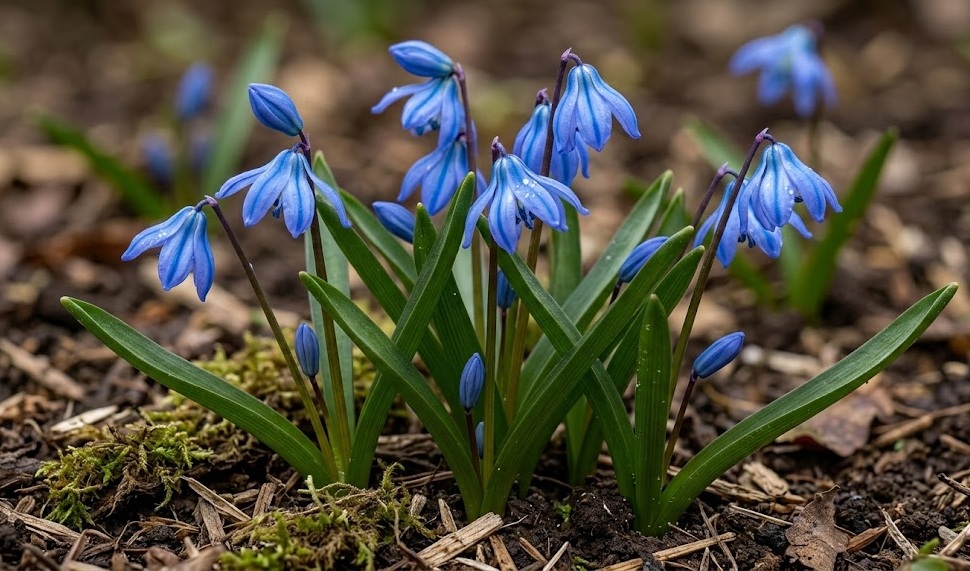

The siberian squill is a champion of the cold, specifically evolved to survive and thrive in harsh winter conditions. Its ability to withstand freezing temperatures is what makes it such a reliable and early harbinger of the spring season. You do not need to lift these bulbs or move them to a warm place like you would with more tender garden plants. Proper overwintering is mostly about leaving the bulbs undisturbed and protecting the soil from extreme fluctuations.
Natural hardiness and survival strategies
Siberian squill is rated for very cold climate zones, meaning it can easily handle temperatures far below freezing without any damage. The bulb contains natural sugars and compounds that act as a form of biological antifreeze during the winter months. This internal protection allows the plant tissue to survive even when the surrounding ground is frozen solid for weeks. You can trust that your bulbs are perfectly safe underground while the snow covers the garden surface.
The depth at which the bulbs are planted also plays a critical role in their successful overwintering process. By sitting eight to ten centimeters below the surface, the bulbs are insulated by the soil from the most extreme air temperatures. The soil acts as a thermal buffer, slowing down the rate of cooling and warming throughout the winter days and nights. This stability is essential for the healthy development of the flower buds that are already forming inside the bulb.
During the winter, the bulbs are not completely inactive, even though nothing is happening above the ground. They are slowly developing their root systems and preparing for the rapid growth spurt that will occur in the spring. This quiet, underground activity is powered by the energy that the plant stored in its bulb during the previous growing season. A successful winter is simply a period of steady preparation for the spectacular show that is just a few months away.
Snow cover is actually a very beneficial thing for overwintering siberian squill in most northern gardens. A layer of fluffy snow acts as an excellent insulator, keeping the soil temperature much more constant than it would be otherwise. It protects the ground from the drying effects of cold winter winds and prevents deep frost penetration into the bulb zone. If you have a winter with very little snow, you might want to consider adding some extra mulch to provide that same protection.
More articles on this topic
Protective mulching techniques
While siberian squill is hardy, a light layer of organic mulch can provide an extra safety net during the winter months. You can use materials like shredded leaves, bark chips, or well-rotted compost to cover the planting area in late autumn. This layer helps to maintain consistent soil moisture and prevents the ground from cracking during periods of extreme cold. Aim for a thickness of about three to five centimeters to provide adequate insulation without smothering the bulbs.
Mulching also serves to prevent a phenomenon known as frost heaving, which can push bulbs right out of the ground. This occurs when the soil repeatedly freezes and thaws, causing it to expand and contract with significant force. The mulch acts as a blanket that reduces the frequency and intensity of these freeze-thaw cycles near the soil surface. Keeping the bulbs firmly anchored in the ground is vital for their health and their ability to bloom on time.
In the late winter or very early spring, you should keep an eye on the mulch layer as the first shoots begin to emerge. If the mulch is too thick or has become compacted, it might be difficult for the delicate green tips to push through. You can gently loosen the mulch with your fingers or move some of it aside if you see the soil bulging underneath. Usually, the siberian squill is strong enough to find its way through a reasonable amount of organic material.
One of the secondary benefits of winter mulching is the suppression of early spring weeds that might compete with your bulbs. As the mulch slowly decomposes, it also adds valuable nutrients back into the soil for the plants to use. It is a simple and natural way to improve the health of your garden beds while also providing winter protection. Choose a mulch that looks natural in your landscape and blends in with the overall aesthetic of your garden design.
More articles on this topic
Caring for container grown bulbs in winter
If you are growing siberian squill in pots or containers, they require a bit more attention during the winter than those in the ground. Because the soil in a container is exposed to the air on all sides, it can freeze much more quickly and deeply. This increased exposure can be stressful for the bulbs, especially if the container is small or made of thin material. You should take steps to insulate your pots or move them to a more protected location for the winter.
Wrapping the containers in bubble wrap or burlap can provide a significant amount of insulation against the cold winter winds. You can also group your pots together in a sheltered corner of the patio to create a microclimate that stays slightly warmer. Another effective technique is to “heel in” the pots by burying them in a pile of mulch or directly in a vacant garden bed. This mimics the stable environment of the open ground and offers the best protection for the dormant bulbs.
Monitoring the moisture levels in your winter containers is also important, as the soil can dry out even in cold weather. If the soil becomes completely desiccated, the bulbs may shrivel and die before the spring arrives. Check the pots occasionally and provide a small amount of water if the soil feels dusty and dry during a thaw. You don’t want the soil to be soaking wet, but a minimal amount of moisture is necessary for survival.
As the winter draws to a close, move your containers back into a sunny spot so they can begin to warm up and grow. You will often see growth in pots a bit earlier than in the ground because the soil in containers warms up more quickly. This early start allows you to enjoy the blue flowers on your doorstep while the rest of the garden is still waking up. With a little extra winter care, container gardening with siberian squill can be a very successful and rewarding endeavor.
Signs of a successful winter transition
You will know that your siberian squill has overwintered successfully when you see the very first green tips appearing in early spring. These resilient shoots are often among the first signs of life in the garden after the long winter months. The shoots should look firm, healthy, and a vibrant shade of green as they push through the soil. This moment is a testament to the incredible hardiness and biological strength of these small but mighty bulbs.
Check for any signs of animal disturbance or soil erosion that might have occurred during the winter storms. If any bulbs have been exposed, simply cover them back up with fresh soil and mulch as soon as the ground thaws. Most minor disturbances won’t affect the plant’s ability to bloom if they are corrected quickly in the early spring. The plants are remarkably forgiving and will usually continue their growth cycle without any major setbacks.
Once the flowers begin to open, take a moment to assess the overall density and health of the colony compared to the previous year. A successful overwintering should result in a display that is at least as impressive as the one before, if not more so. If you notice any large gaps or a significant decline in flower numbers, it may be time to investigate the soil conditions. Usually, however, a well-established patch of siberian squill will only get better and more expansive with age.
In the end, the best thing you can do for your squill during the winter is to trust in its natural abilities. These plants have been surviving cold winters in their native habitats for thousands of years without any help from humans. By providing a good planting site and a bit of protective mulch, you are simply enhancing their natural success. Sit back, enjoy the winter scenery, and look forward to the inevitable return of the blue spring carpet.