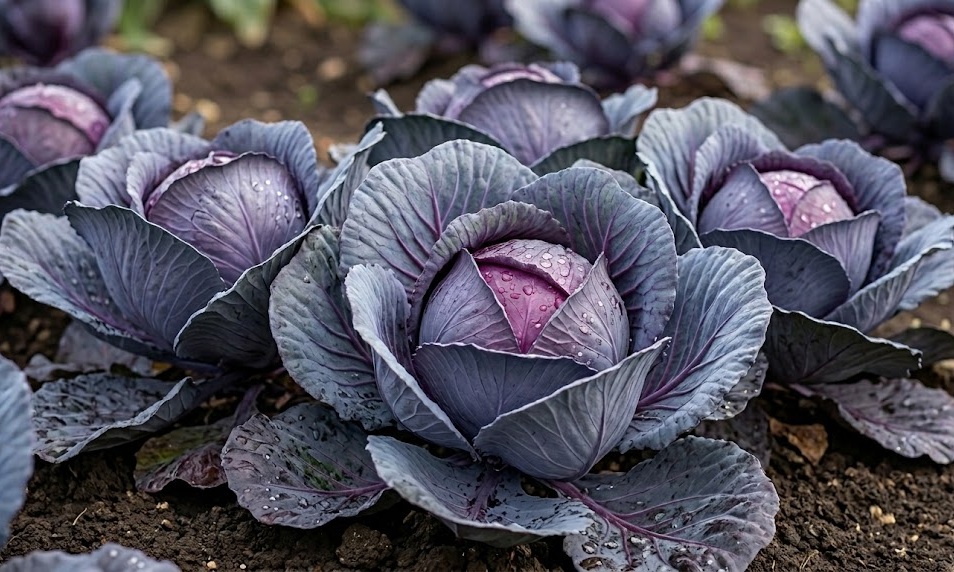

For the dedicated grower, the harvest doesn’t have to end with the first frost of autumn. Red cabbage is one of the most cold-hardy vegetables, and with the right techniques, it can be maintained in the garden or stored for fresh consumption throughout the winter months. Overwintering involves a combination of selecting the right genetic varieties and providing physical protection against the harshest elements. This article explores the professional methods for extending your cabbage season and ensuring you have high-quality produce even when the ground is frozen.
Selecting a late-season or “winter” variety of red cabbage is the first and most crucial step for successful overwintering. These specific cultivars have been bred for their ability to withstand freezing temperatures and their slow-growing nature. They often have thicker, waxy leaves and a more compact head structure that naturally resists the cold. When planning your garden, check the maturity dates and cold tolerance ratings to ensure you have the right plants for your climate.
Winter varieties are typically planted in mid-summer so that they reach maturity just as the temperatures begin to drop. They settle into a state of semi-dormancy during the coldest months, holding their quality in the field for much longer than summer varieties would. You will find that the flavor of red cabbage often improves after a light frost, as the plant converts starches into sugars as a natural antifreeze. This subtle change in chemistry makes winter-harvested cabbage particularly sweet and tender.
Understanding your local frost dates and the typical severity of your winters will help you decide on the level of protection needed. In milder regions, red cabbage can often survive the entire winter with very little help from the gardener. However, in areas with deep freezes or heavy snow, you will need to implement more robust strategies to prevent the heads from being damaged. A professional approach means being prepared for the worst-case weather scenario to safeguard your hard-earned crop.
Regularly inspecting your winter cabbage is important, as pests like slugs can still be active during mild spells. You should also watch for any signs of rot that can occur if moisture becomes trapped between the outer leaves during a thaw. Removing any damaged or yellowing outer leaves helps maintain the health of the head and improves airflow. With a little extra care, the garden can remain a productive source of food long after the summer crops have vanished.
More articles on this topic
Physical protection methods
Using horticultural fleece or heavy-duty row covers is the most common way to provide an extra layer of warmth for your red cabbage. These fabrics trap a small amount of heat from the soil, creating a microclimate that can be several degrees warmer than the ambient air. You should support the covers with hoops or a frame to prevent them from resting directly on the leaves, which can lead to frost transfer. This physical barrier also protects the plants from the drying effects of cold winter winds.
In very cold climates, you might consider using a “low tunnel” construction made of clear plastic over the fabric covers. This creates a greenhouse effect during the day, heating up the soil and providing a significant buffer against nighttime freezes. You must be careful to ventilate these tunnels on sunny days to prevent the plants from overheating or developing fungal issues. A professional setup allows for easy access so you can still harvest individual heads whenever they are needed.
Mulching the soil heavily around the base of the plants is just as important in the winter as it is in the summer. A thick layer of straw or wood chips acts as insulation, preventing the ground from freezing and thawing repeatedly. This thermal stability protects the root system and keeps the biological activity in the soil alive for longer. It also makes it much easier to pull the plants from the ground if you decide to harvest during a cold snap.
For those with limited space, individual cloches made of glass or heavy plastic can be placed over each cabbage head. These miniature greenhouses provide excellent protection for individual plants and can be easily moved or removed as needed. Regardless of the method you choose, the goal is to prevent the core of the cabbage head from freezing solid. A frozen core will often lead to the collapse of the head once it eventually thaws, making it inedible.
More articles on this topic
Managing soil temperature during winter
The temperature of the soil is often more critical than the air temperature when it comes to the survival of overwintering red cabbage. You can improve the soil’s heat retention by ensuring it is well-drained and contains a high amount of organic matter. Dry, loose soil holds more air, which acts as a natural insulator against the cold coming from the surface. In contrast, waterlogged soil freezes much more quickly and can expand, physically damaging the plant’s root structure.
Building raised beds is a professional technique that helps with both drainage and soil temperature management. Raised beds warm up faster in the spring and stay slightly warmer in the autumn, extending the window for plant activity. You can also paint the sides of your raised beds a dark color to absorb more solar radiation during the short winter days. Every degree of warmth you can preserve in the soil contributes to the resilience of your cabbage crop.
Using dark-colored mulches, like compost or dark wood chips, can also help absorb sunlight and transfer that heat into the earth. You should avoid light-colored straw for winter insulation if your primary goal is to maximize soil heat absorption. However, straw is still excellent for its sheer insulating volume in very cold regions. Balancing the needs for heat absorption and insulation is a key skill in cold-climate gardening.
Monitoring the soil temperature with a simple probe can give you valuable insights into when to apply or remove your protective covers. You will find that the soil stays much warmer than the air during the first half of the winter, providing a reservoir of heat for the plants. Once the ground does eventually freeze, your goal shifts entirely to preventing the “freeze-thaw cycle” that is so damaging to plant tissues. A stable, frozen state is often better for the plant than constant temperature fluctuations.
Storage techniques for harvested heads
If your winter weather is too severe for field storage, you can harvest your red cabbage and store it in a controlled environment. A traditional root cellar, which is cool, dark, and humid, is the ideal location for long-term storage of these dense heads. You should keep the temperature as close to zero degrees Celsius as possible without actually reaching the freezing point. Maintaining a high humidity level of around ninety percent prevents the outer leaves from wilting and drying out.
To prepare the cabbage for storage, remove the loose outer leaves but leave the tight inner head intact. You can wrap each head individually in newspaper or store them in crates lined with straw to allow for some air circulation. It is important to check your stored cabbage every couple of weeks and remove any heads that show signs of soft spots or rot. One bad cabbage can quickly spoil the entire batch if the ethylene gas and moisture it releases are not managed.
Storing the cabbage with its roots still attached and buried in a bucket of moist sand is an old-fashioned but highly effective method. This technique keeps the plant “alive” in a dormant state and can preserve the crispness of the leaves for several months. You should place the buckets in the coolest part of your cellar or a protected garage where they won’t freeze. This method mimics the natural environment and provides the longest possible storage life for your harvest.
For shorter-term storage, the crisper drawer of a refrigerator is perfectly adequate for keeping red cabbage fresh for several weeks. You should keep the head in a perforated plastic bag to balance the need for humidity and airflow. Avoid storing cabbage near fruits like apples or pears, as the ethylene they release will cause the cabbage to age and yellow prematurely. Proper storage ensures that your hard work in the garden continues to provide nutritious meals well into the new year.