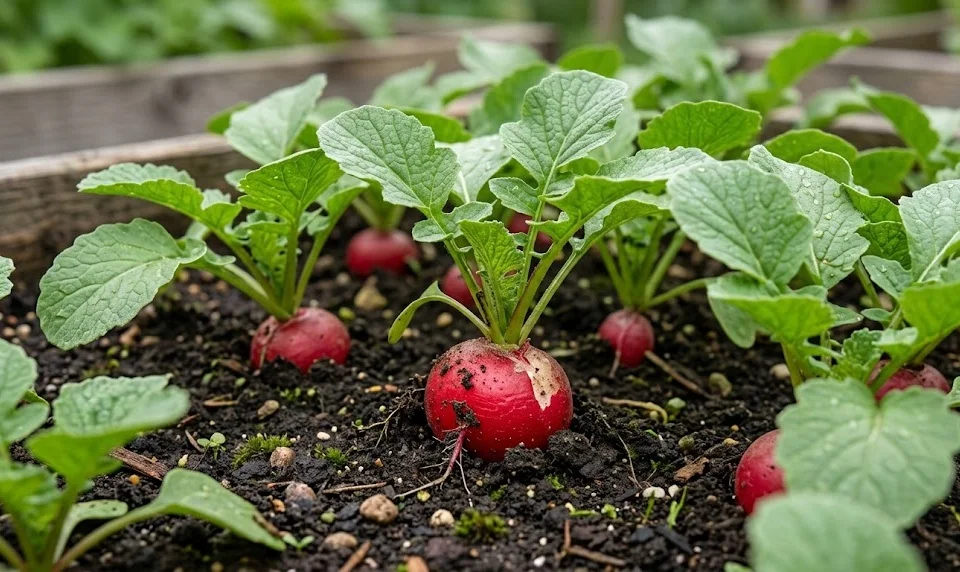

Overwintering radishes is a brilliant way to extend your harvest and enjoy fresh, crunchy vegetables during the coldest months of the year. You must choose the right varieties that are specifically bred to withstand freezing temperatures and shorter daylight hours in the winter. Proper protection from the elements is essential to prevent the ground from freezing solid and damaging the delicate radish roots. With a little bit of planning and preparation, you can turn your garden into a year-round source of nutritious and delicious food for your family.
Choosing the right varieties is the most critical decision you will make when planning for a winter radish harvest in your garden. You should look for “winter radishes” like Daikon, Black Spanish, or China Rose, which are much hardier than the common spring types. these varieties grow more slowly and develop a thick skin that protects the interior flesh from the harsh winter weather conditions. They also tend to be larger and have a more robust flavor that pairs perfectly with hearty winter soups and stews.
Timing your winter planting is another important factor that will determine the success of your overwintering efforts in the garden. You should sow your winter radish seeds in late summer or early fall so the plants have enough time to reach maturity before the deep freeze arrives. The goal is to have the roots fully developed by the time the growth slows down significantly due to the cold temperatures and low light. Once they are mature, the cold ground acts like a natural refrigerator that keeps them fresh and crisp for many months.
Preparing the garden bed for winter requires a few extra steps compared to your standard spring or summer planting routine. You should ensure that the soil is well-drained and rich in organic matter to prevent the roots from sitting in cold, stagnant water during the winter rains. Adding a thick layer of mulch around the base of the plants provides an essential layer of insulation for the soil and the roots below. This protection helps to maintain a more stable temperature and prevents the cycle of freezing and thawing that can ruin the crop.
Selecting hardy varieties
Winter radishes are quite different from the small, round spring radishes that most people are familiar with from the grocery store. You should expect these varieties to take much longer to grow, often requiring sixty to ninety days to reach their full potential in the garden. They are generally much larger and have a denser texture that allows them to store well in the cold ground for an extended period. Exploring these unique varieties is a great way to expand your gardening skills and your culinary horizons during the off-season.
More articles on this topic
The Black Spanish radish is a classic winter variety that is known for its beautiful dark skin and spicy, crisp white flesh. You should plant this variety if you want a radish that can truly stand up to the cold and maintain its quality throughout the entire winter. It is an incredibly hardy plant that has been grown for centuries as a reliable source of vitamins during the months when fresh food was scarce. The intense flavor of this radish mellows slightly when cooked, making it very versatile in the kitchen.
Daikon radishes are another excellent choice for overwintering, offering long, white roots that can grow up to a foot or more in length. You should ensure that your soil is deeply loosened to allow these impressive roots to grow straight down without any obstructions in the way. Daikon is known for its mild flavor and juicy texture, which makes it a popular ingredient in many different types of Asian cuisine and fermented dishes. It is a very productive crop that provides a large amount of food from a relatively small amount of garden space.
Watermelon radishes are a stunningly beautiful winter variety that features a dull green exterior and a bright pink, starburst-like interior. You should grow these if you want to add a pop of color to your winter salads and appetizers during the dark and gray months of the year. They have a mild and slightly sweet flavor that is much less spicy than many other types of winter radishes available to home gardeners. Their unique appearance makes them a favorite at farmers’ markets and a great conversation starter at the dinner table.
Protective covering methods
Using a cold frame is one of the most effective ways to protect your winter radishes from the direct impact of snow, ice, and freezing winds. You should build a simple wooden box with a clear glass or plastic lid that can be placed directly over your garden bed in the fall. The lid traps the heat from the sun during the day and provides a sheltered environment that stays several degrees warmer than the outside air. It is a classic gardening tool that allows you to harvest fresh radishes even when the rest of the garden is buried under snow.
More articles on this topic
Row covers made of heavy-weight garden fabric can also provide a significant amount of protection for your overwintering crops in the vegetable garden. You should drape the fabric over a series of hoops to create a low tunnel that keeps the frost off the leaves and the soil surface. This method is very easy to install and allows rain and light to pass through while still providing a layer of essential insulation for the plants. Row covers are a flexible and affordable option for gardeners who want to protect a larger area of their winter crops.
Mulching with a thick layer of straw or shredded leaves is a simple and natural way to insulate the soil and the radish roots during the winter. You should pile the mulch several inches high around the plants once the ground has begun to cool down in the late autumn months. This layer acts like a warm blanket that prevents the frost from penetrating deep into the soil where the edible roots are located. When you are ready to harvest, you simply pull back the mulch and lift the fresh radishes from the unfrozen ground.
Cloches or individual covers can be used to protect small groups of radishes if you only have a few plants scattered throughout your garden beds. You can use large glass jars or cut-off plastic milk jugs to create a miniature greenhouse for each individual plant in the row. These covers protect the foliage from the weight of the snow and prevent the cold wind from drying out the delicate leaves of the radish. It is a great way to repurpose household items and provide targeted protection for your most valuable winter vegetable crops.
Root storage in cold conditions
If you prefer to harvest your radishes all at once, you can store the roots in a cool and dark place that mimics the conditions of the cold ground. You should look for a spot like a basement, a root cellar, or an unheated garage where the temperature stays consistently between thirty-two and forty degrees. Proper storage allows you to enjoy your harvest for many months without the risk of the roots becoming soft, shriveled, or losing their flavor. It is a great way to manage a large crop of winter radishes that you cannot eat all at once.
Using a box filled with damp sand or sawdust is a traditional and highly effective method for storing root vegetables during the long winter months. You should place a layer of sand in the bottom of the container and then arrange the radishes so that they are not touching each other in the box. Cover each layer with more damp sand until the box is full and the roots are completely protected from the air and light. This method keeps the radishes hydrated and prevents them from sprouting or rotting prematurely during their period of storage.
Checking your stored radishes regularly is an important part of maintaining the quality of your harvest throughout the winter and early spring. You should look for any signs of mold, soft spots, or shriveling and remove those individual roots immediately to prevent the problem from spreading. If the sand or sawdust feels dry to the touch, you can add a small amount of water to maintain the necessary humidity levels in the box. A little bit of regular attention ensures that your radishes remain in peak condition until you are ready to use them in the kitchen.
Refrigeration is also a viable option for storing smaller quantities of winter radishes if you have the space available in your kitchen appliance. You should remove the green tops and place the cleaned roots in a perforated plastic bag in the crisper drawer of your refrigerator at home. This environment provides the cold and humid conditions that radishes need to stay crunchy and fresh for several weeks at a time. It is the most convenient storage method for urban gardeners or those who only grow a small amount of winter produce for their families.
Managing the winter greenhouse
Growing radishes in an unheated greenhouse allows you to take advantage of the solar gain during the day while providing protection from the winter elements. You should sow your seeds directly into the greenhouse soil or into large containers that can be moved around as needed to catch the light. The greenhouse environment stays significantly warmer than the outdoors, which can speed up the growth of your winter crops and improve their overall quality. It is a luxurious way to garden during the winter and provides a peaceful escape from the cold and gray weather outside.
Ventilation is just as important in the winter greenhouse as it is during the summer to prevent the buildup of excess humidity and stagnant air. You should open the doors or vents for a few hours on sunny days to allow fresh air to circulate around your radish plants in the bed. High humidity in a closed greenhouse can lead to the rapid development of gray mold and other fungal diseases that can ruin your entire winter crop. Finding the right balance between warmth and airflow is the key to a healthy and productive greenhouse environment in the winter.
Supplemental lighting may be necessary if you live in a region with very short days or a lot of overcast weather during the winter months. You should consider adding a few LED grow lights to your greenhouse setup to give your radishes the energy they need to continue their slow growth. Even a few extra hours of light each day can make a significant difference in the health and vigor of your plants during the darkest time of the year. It is an investment that can pay off with faster harvests and stronger, more resilient radish plants in your garden.
Watering in the winter greenhouse requires a more cautious and observant approach than you would use during the active growing season in the spring. You should check the soil moisture levels frequently but be careful not to overwater, as the plants use much less liquid when the temperatures are cool. Watering in the morning on a sunny day is the best practice to ensure that any excess moisture can evaporate before the temperature drops at night. Using water that has been stored inside the greenhouse will prevent shocking the delicate roots with the freezing temperatures of outdoor tap water.