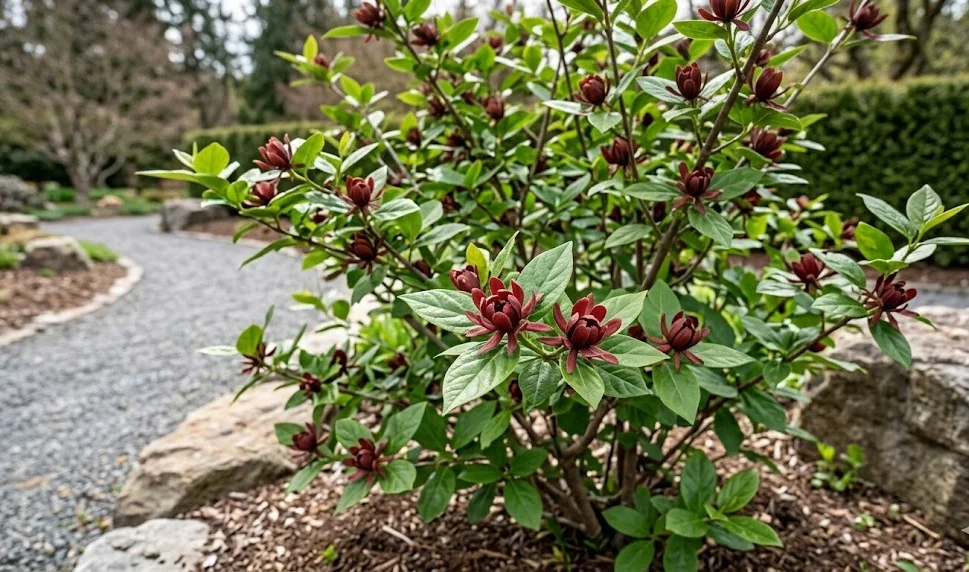

Preparing the western spicebush for the winter months is a vital task that ensures the shrub emerges healthy and vigorous in the spring. While this species is relatively cold-hardy, extreme winter conditions can still pose a threat to its structural integrity and root health. Professional gardeners take specific steps during the autumn to harden the plant and protect it from the harshest elements of the season. A well-planned overwintering strategy reduces the risk of frost damage and ensures a spectacular display of flowers in the coming year.
The process of overwintering begins long before the first frost arrives by gradually reducing the amount of nitrogen provided to the plant. As the days grow shorter, the shrub needs to shift its energy from producing new foliage to strengthening its existing tissues. This natural hardening-off process is essential for making the wood more resistant to freezing temperatures. Continuing to provide adequate water during a dry autumn is also important to ensure the plant is well-hydrated before the ground freezes.
Cleaning up the area around the base of the shrub is a simple but effective professional practice for winter preparation. Removing any remaining fruit capsules and fallen leaves can help eliminate potential hiding places for pests and fungal spores. This sanitation step ensures that the plant starts the next growing season in a clean environment with fewer biological pressures. It also allows you to inspect the crown of the plant for any signs of damage or disease before the snow covers it.
In areas where winters are particularly severe, you may want to consider applying a fresh layer of mulch to insulate the root zone. This layer should be several centimeters thick and extend out to the drip line of the shrub’s canopy. The mulch helps to stabilize the soil temperature and prevents the cycle of freezing and thawing that can push roots out of the ground. This “heaving” can be very damaging to young plants or those with shallow root systems.
Protecting the structure from cold and snow
The large and somewhat brittle branches of the western spicebush can be vulnerable to heavy snow loads and ice accumulation. In a professional garden setting, it is sometimes necessary to provide physical support for the main stems to prevent them from splitting. You can use soft ties and stakes to gently pull the branches together or provide a solid frame for the plant to rest against. This proactive approach can save you from having to perform major corrective pruning in the spring.
More articles on this topic
Burlap wraps or seasonal screens can also be used to protect the shrub from drying winter winds and salt spray. This is especially important if the plant is located near a road or in an exposed part of the landscape where the wind can be intense. The wrap should be loose enough to allow for some air circulation while providing a barrier against the most extreme elements. Avoid using plastic materials for this purpose, as they can trap heat and moisture, leading to mold or premature budding.
If your region experienced an unusually dry autumn, you should continue to water the plant until the ground actually freezes. Evergreens are more famous for winter dehydration, but deciduous shrubs like the spicebush can also suffer if their roots are completely dry during a cold spell. A well-hydrated plant is always more resilient to temperature fluctuations and structural stress. Professional winter care is all about maintaining a balance that supports the plant’s natural dormant state.
Monitoring the plant during the winter months allows you to identify any issues caused by wildlife, such as rabbits or deer. In some areas, these animals may turn to the bark of woody shrubs as a food source when nothing else is available. Installing wire guards or using professional repellents can help protect the stems from this type of mechanical damage. Keeping a close watch on your garden even during the quiet season is the mark of a truly dedicated horticulturist.
Managing frost damage and early thaws
Late spring frosts are often more dangerous than the deep cold of mid-winter, as they can damage the tender new buds. If an unseasonably warm spell causes the spicebush to begin growing too early, it can be caught off guard by a returning cold front. In these situations, you may need to temporarily cover the plant with a frost blanket or old sheets to protect the developing foliage. Be sure to remove these covers as soon as the temperatures rise again during the day.
More articles on this topic
If you do notice signs of frost damage, such as blackened leaves or shriveled stem tips, do not be in a hurry to prune them away. It is often better to wait until all danger of frost has passed before assessing the extent of the damage. Sometimes the damaged tissue provides a small amount of protection for the healthy parts of the plant underneath. A professional evaluation in late spring will allow you to make clean, accurate cuts that promote rapid recovery.
The transition from winter to spring is a critical time for the root system as the soil begins to warm and the water starts to flow again. Ensure that any drainage issues caused by winter snowmelt are addressed quickly to prevent the roots from sitting in stagnant water. As the ground thaws, the plant will begin to take up nutrients and prepare for its annual growth spurt. This is the perfect time to evaluate the success of your overwintering strategy and make notes for the following year.
Properly overwintered plants will reward you with a much more vigorous start to the new growing season. By taking these professional steps, you are ensuring that your western spicebush remains a permanent and healthy feature of your landscape. Winter is not just a time of rest for the garden; it is a time of preparation for the beauty that is to come. A little bit of extra care in the cold months goes a long way toward a successful agricultural year.