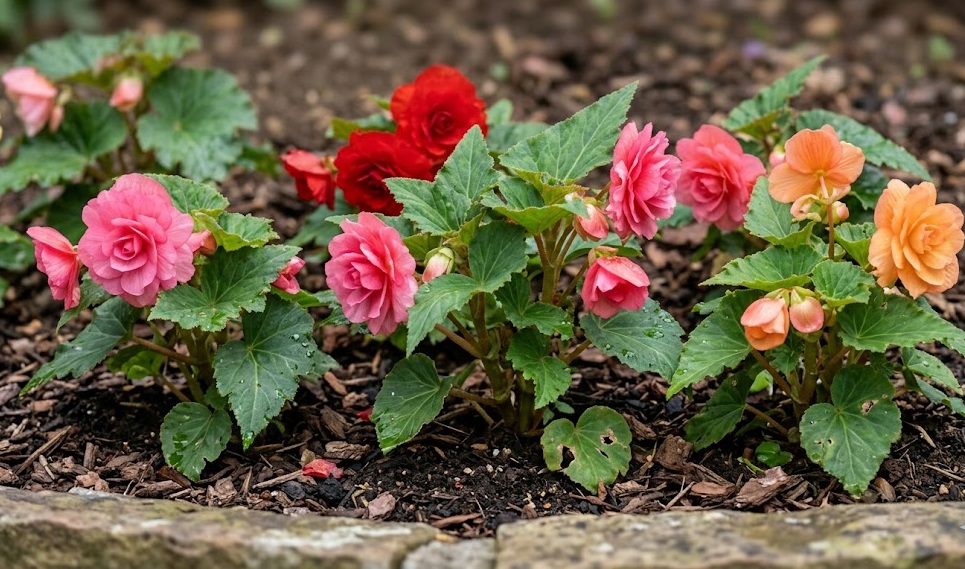

The process of preparing your plants for the winter months is a vital phase that determines whether they will return with vigor the following spring. Because these begonias are tropical in origin, they cannot survive the freezing temperatures that characterize winters in temperate climates. You must take active steps to bring them into a state of dormancy and provide a safe, dry environment for their storage. Success in overwintering allows you to preserve your favorite varieties and grow larger, more impressive tubers year after year.
The transition begins in early autumn when you should start to notice the plant’s growth slowing down as the days become shorter and the air turns cooler. You should reduce the frequency of watering gradually to signal to the plant that it is time to stop active growth and begin storing energy. Stop all fertilization by the end of August to avoid encouraging new, tender shoots that would only be lost to the cold. This natural decline is a necessary part of the plant’s lifecycle and should be managed with patience and care.
It is important to leave the plants outside for as long as possible to allow the tubers to reach their maximum size and maturity. However, you must be very careful to lift them before the first hard frost hits your area, as freezing can quickly turn a healthy tuber into a mushy, useless mass. A light frost that only affects the leaves is often a good final trigger for dormancy, as it tells the plant to move its remaining resources into the tuber. Once the foliage has turned yellow or brown and the stems begin to feel loose, the plant is ready for the next stage.
When you are ready to lift the plants, start by cutting back the stems to about five to ten centimeters above the soil level using sharp, clean shears. Carefully lift the entire root ball out of the pot or the ground, taking care not to nick or bruise the surface of the tuber. You should shake off the excess soil gently, but do not worry about removing every last bit of dirt at this initial stage. Place the tubers in a frost-free, well-ventilated area for a few days to allow the remaining stem stumps to dry out and eventually detach naturally.
Storing the tubers for maximum survival
Once the tubers have dried slightly and the remaining stems have fallen away, you can clean them more thoroughly by brushing off the loose soil. You should inspect each tuber carefully for any signs of rot, soft spots, or pest damage that might have occurred during the growing season. Only store those that are firm and heavy, as these have the best chance of surviving the long months of dormancy. Any tubers that appear diseased should be discarded immediately to prevent the spread of problems during storage.
More articles on this topic
The ideal storage medium is something that is breathable yet capable of maintaining a very slight, consistent level of moisture to prevent the tubers from shriveling. Many professional gardeners use dry peat moss, vermiculite, or even slightly damp sawdust to pack their tubers for the winter. You should place them in a single layer in a wooden crate or a cardboard box, ensuring they are not touching each other directly. This spacing prevents a single localized rot spot from spreading to the entire collection throughout the winter.
The location where you keep your stored tubers must be dark, cool, and completely frost-free to ensure they remain in a deep sleep. A temperature range between five and ten degrees Celsius is perfect for maintaining dormancy without risking freezing or premature sprouting. An unheated basement, a frost-proof garage, or a cool cupboard are often the best options for most home gardeners. Avoid places that are prone to dampness or extreme temperature fluctuations, as these can trigger rot or cause the tubers to wake up too early.
You should check on your stored tubers at least once a month throughout the winter to monitor their condition and catch any issues early. If you notice any tubers beginning to shrivel, you can lightly mist the storage medium with water to increase the humidity slightly. Conversely, if you see any signs of mold or soft spots, remove the affected tuber and increase the ventilation in the storage box. This periodic inspection is a small but critical task that ensures your collection remains healthy until spring arrives.
Managing temperature and moisture during storage
Maintaining the right balance of environmental conditions is the key to a successful overwintering process for these sensitive tubers. If the storage area is too warm, the tubers may begin to sprout prematurely, exhausting their stored energy before it is time to plant them. These early sprouts are often weak and pale due to the lack of light, and they can be easily damaged when you eventually move the tubers. Keeping the temperature consistently cool will prevent this unwanted activity and keep the plant’s resources intact.
More articles on this topic
Moisture management is equally important because a completely bone-dry environment can lead to the tuber losing too much internal hydration. A tuber that has become excessively shriveled may struggle to wake up in the spring or may produce a much weaker plant. You want the surface to feel dry to the touch, but the tuber itself should remain firm and somewhat heavy when you hold it. A light dusting of sulfur powder can sometimes be helpful in preventing fungal growth while the tubers are packed away.
Air circulation within the storage containers helps to prevent the buildup of stagnant air and the development of opportunistic molds. Avoid using airtight plastic containers or bags, as these trap moisture and create an environment that is highly conducive to rot. If you are using boxes, you can poke small holes in the sides to allow for a gentle exchange of air throughout the winter. This simple modification can make a big difference in the survival rate of your tubers, especially in more humid storage locations.
If you live in a region with particularly harsh winters, you might need to add an extra layer of insulation to your storage boxes for added protection. Wrapping the crates in old blankets or bubble wrap can provide a buffer against sudden drops in temperature that might affect your basement or garage. Just be sure that the insulation does not block the airflow or cause the tubers to overheat if the weather turns unexpectedly mild. Your expertise in managing these subtle environmental factors will lead to a much higher success rate year after year.
Waking up the tubers in the spring
As the winter draws to a close and the first signs of spring appear, it is time to start thinking about bringing your begonias back to life. You should notice that some tubers may naturally begin to show tiny pink or green nubs in the center of their hollow side. This is your signal that the dormancy period is ending and the plant is ready to begin its new growth cycle. You can start the process of waking them up about two months before you intend to move them outside permanently.
The first step in the spring is to move the tubers into a warmer, brighter location to stimulate more active biological processes. You can place them in shallow trays of fresh, moist potting mix, following the same procedure as you did when you first started growing them. Keep the soil lightly moist and provide plenty of indirect light to encourage strong, healthy shoots to emerge from the tuber. This gradual transition allows the plant to build up its strength in a controlled environment before facing the challenges of the outdoors.
It is important to avoid the temptation to move the plants outside too early, even if the days seem warm and pleasant. Late spring frosts can be devastating to the tender new growth, and the soil temperature needs to be consistently warm for the roots to function properly. Use this time indoors to monitor the development of the new stems and ensure they are growing straight and strong. You can also begin a very light fertilization program once the first few leaves have fully expanded to provide a boost for the coming season.
Successfully overwintering your begonias is a highly rewarding experience that connects you more deeply with the natural rhythms of the garden. Each year that you preserve your tubers, they will grow larger and more capable of producing truly spectacular floral displays. The knowledge and skill you gain through this process will make you a more confident and successful gardener in all your endeavors. Your vibrant, blooming begonias will be the ultimate reward for your dedication and care throughout the long winter months.