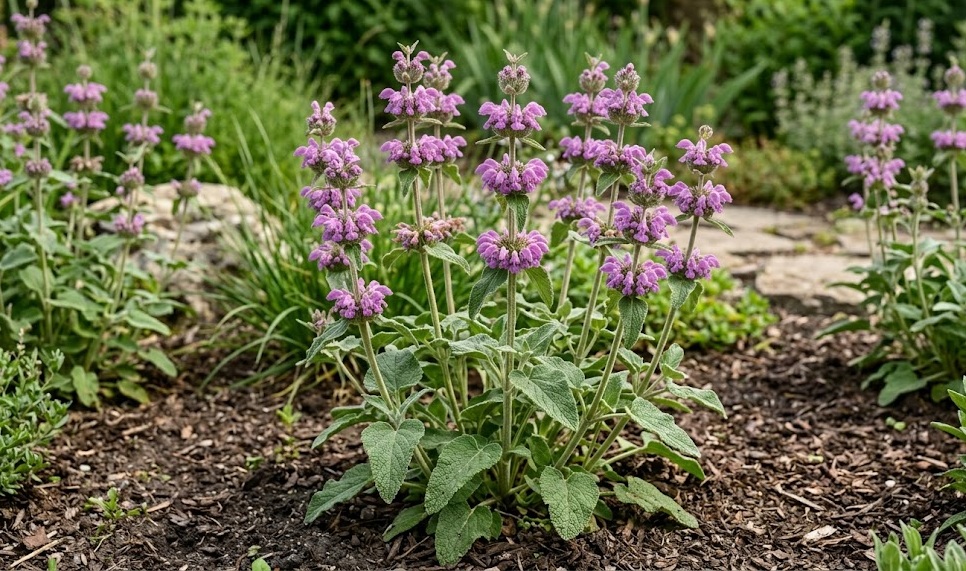

Ensuring the survival of the tuberous jerusalem sage through the cold months is a critical task for any gardener in a temperate climate. While this perennial is exceptionally hardy, the combination of freezing temperatures and wet soil can sometimes prove challenging. Proper preparation in the autumn and consistent monitoring during the winter will protect the plant’s vital underground structures. A professional overwintering strategy guarantees that the plant will emerge with vigor when the spring warmth returns.
The process of preparing for winter begins long before the first frost settles on the ground. As the days shorten, the plant naturally begins to transition into a dormant state, focusing its energy on its underground tubers. Reducing irrigation and stopping all fertilization during this period helps the plant to harden off its tissues and prepare for the upcoming cold. This metabolic shift is an essential part of the plant’s survival strategy in its native continental habitat.
One of the primary concerns during the winter months is the health of the basal crown and the root system. In many regions, the biggest threat is not the cold itself, but the repeated freezing and thawing of the soil, which can heave plants out of the ground. Maintaining a stable environment for the roots is the main objective of any protective measures you might implement. Professional gardeners use various techniques, such as mulching and strategic debris management, to achieve this thermal stability.
Spring recovery depends entirely on how well the plant was protected during its dormant phase. When the soil begins to warm and the days lengthen, the first signs of new growth will appear from the center of the crown. A successful overwintering means that the plant has preserved enough energy to produce strong, healthy shoots right from the start. Following a professional routine throughout the winter ensures that your landscape remains productive and beautiful year after year.
Preparing for the first frost
As the autumn progresses, it is important to observe the plant’s natural signals that it is ready for dormancy. The foliage will gradually lose its vibrant green color and may start to turn brown or yellow as the temperatures drop. This is a normal part of the plant’s life cycle and should not be a cause for concern for the gardener. Resisting the urge to prune too early allows the plant to finish moving its nutrients down into the tubers for storage.
More articles on this topic
Cleaning the area around the base of the plant before the snow falls can help to prevent problems during the winter months. Removing any weeds or fallen fruit reduces the likelihood of attracting rodents that might feed on the succulent tubers during the cold. It also improves the airflow around the crown, which can prevent rot if the winter turns out to be particularly wet. This simple step is an important part of professional garden hygiene and long-term plant health.
If the autumn has been exceptionally dry, providing one final deep watering before the ground freezes can be beneficial. Hydrated plant tissues are more resilient to the drying effects of cold winter winds than those that are already stressed by a lack of moisture. This final irrigation should be done early enough in the day to allow the water to soak in before the temperatures drop overnight. It is a subtle but effective way to improve the plant’s chances of a successful overwintering.
Finally, consider the structural integrity of the dried flower stalks if you choose to leave them standing for the winter. These stalks can provide visual interest and a food source for birds, but they can also act as sails in high winds, potentially pulling at the crown. If the stalks are very tall or the site is exposed, cutting them back to a few inches above the ground may be a safer option. Each gardener must weigh the aesthetic benefits against the potential risks based on their specific location.
Winter protection and mulching
Mulching is perhaps the most effective tool for protecting the root zone of the tuberous jerusalem sage from extreme temperature fluctuations. A layer of organic material, such as straw, shredded leaves, or wood chips, acts as an insulating blanket for the soil. This layer should be applied after the ground has initially frozen to help keep it at a consistent temperature throughout the winter. Proper mulching prevents the damaging cycle of freezing and thawing that can stress the plant’s roots.
More articles on this topic
When applying mulch, it is important to keep the material a few inches away from the actual crown of the plant. If the mulch is piled directly against the stems, it can trap moisture and encourage rot or provide a home for destructive pests. The goal is to insulate the surrounding soil where the expansive root system and tubers are located. Professional application of mulch is a precise task that balances protection with the need for adequate air circulation.
In regions with extremely cold winters or very little snow cover, additional protection may be necessary for the most vulnerable specimens. Using evergreen boughs or a light layer of horticultural fleece can provide an extra barrier against the biting winter winds. These materials are breathable and allow light to reach the plant while still providing a significant thermal benefit. They can be easily removed in the spring as soon as the danger of severe frost has passed.
Snow itself is an excellent natural insulator and can provide significant protection for the plants in the garden. A consistent layer of snow keeps the ground temperature relatively stable and protects the foliage from the drying effects of the air. If you are clearing paths or driveways, avoid piling heavy, salted snow onto your planting beds, as the weight and chemicals can be damaging. Working with the natural elements is a key part of successful and sustainable overwintering in professional gardening.
Managing dormant plants
During the depth of winter, the tuberous jerusalem sage requires very little active management from the gardener. It is a time for the plant to rest and for the professional to observe the landscape from a different perspective. Monitoring the site after heavy storms ensures that any protective covers or mulch are still in place and functioning correctly. This passive observation is just as important as the active tasks performed during the growing season.
If the winter is unusually warm or includes periods of significant rainfall, it is important to check the drainage around the dormant plants. Standing water during the winter is a leading cause of plant loss, as it deprives the roots of oxygen and promotes fungal decay. If necessary, clearing small channels to direct water away from the planting beds can save the plants from drowning. This proactive water management is especially critical for species that are adapted to drier continental environments.
Rodents can sometimes become a problem during the winter as they look for food and shelter in the garden. Voles and mice may be attracted to the protection of the mulch and could potentially damage the tubers if other food sources are scarce. Occasionally checking the area for signs of tunnels or gnawing can help you catch these issues before they become serious. Maintaining a clean garden perimeter is the best way to discourage these unwanted winter visitors.
As the winter begins to wane, the gardener should start planning for the upcoming spring maintenance routine. This is the perfect time to clean and sharpen tools, order any necessary supplies, and review the previous year’s garden notes. Preparation during the dormant season allows for a smooth and efficient transition into the busy spring months. Professionalism in gardening involves this continuous cycle of planning, action, and reflection throughout the entire year.