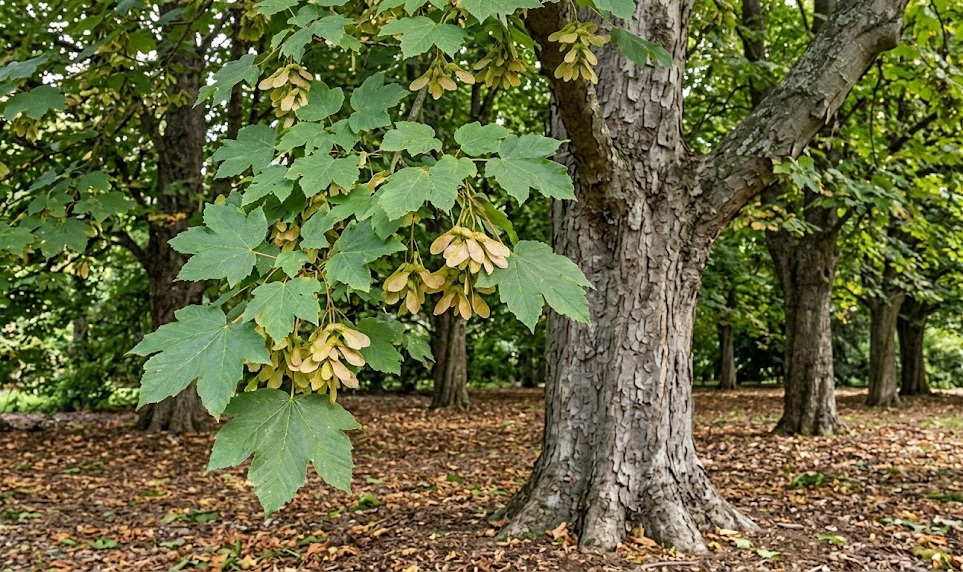

Preparing a sycamore maple for the challenges of winter is a critical part of its annual maintenance cycle to ensure it emerges healthy in the spring. While this species is natively adapted to temperate climates and possesses a high degree of frost tolerance, certain precautions can prevent unnecessary damage. Winter is not just a period of inactivity; it is a time when the tree undergoes essential physiological changes to survive the cold. A thoughtful approach to overwintering protects the tree from the physical and environmental stresses associated with freezing temperatures.
As the days shorten and temperatures begin to drop in the autumn, the sycamore maple naturally initiates its dormancy process. This transition is marked by the spectacular color change and eventual shedding of its leaves, which reduces water loss during the winter months. You should ensure that the tree is well-hydrated before the ground freezes, as the roots still require some moisture to maintain cellular health. A deep watering in late autumn is one of the most beneficial things you can do for the tree’s winter resilience.
For young sycamore maples, the first few winters can be particularly hazardous due to their thinner bark and smaller root systems. These juvenile trees are more susceptible to frost cracks, which occur when the sun warms the trunk during the day and it cools rapidly at night. You might consider using a light-colored tree wrap on the lower portion of the trunk to reflect the winter sun and stabilize temperatures. This simple barrier can prevent deep wounds that would otherwise take years for the tree to heal.
Managing the area around the base of the tree is also an important part of the overwintering strategy. Applying a fresh layer of organic mulch in late autumn helps to insulate the root zone against extreme temperature fluctuations. This thermal blanket keeps the soil slightly warmer and helps to retain the vital moisture that was applied during the final autumn watering. Be sure to keep the mulch a few inches away from the trunk to avoid creating a damp environment that could encourage rot or rodent damage.
Protection against winter wildlife
Winter is a time when food becomes scarce for many local animals, and the bark of a young sycamore maple can be an attractive food source. Rabbits, voles, and deer may browse on the tender bark of the lower trunk, which can lead to girdling if the damage is extensive. Installing a physical guard or a wire mesh cage around the base of the tree is a highly effective way to prevent this type of injury. The guard should be tall enough to account for potential snow accumulation that would allow animals to reach higher up the trunk.
More articles on this topic
If you live in an area with a high deer population, you may also need to protect the branches of smaller trees from winter browsing. Deer can quickly strip the buds and young twigs of a sapling, significantly setting back its growth for the following spring. Using temporary fencing or a deer-resistant spray can provide an extra layer of security during the leanest months of the year. Regular inspections during the winter will help you catch any early signs of animal activity before too much damage is done.
Rodents such as voles can also be a hidden threat, as they often tunnel under the snow to feed on the tree’s roots and lower bark. Keeping the grass short around the base of the tree before the first snowfall can reduce the cover that these small mammals prefer. You should also avoid piling mulch directly against the trunk, as this provides a perfect hiding spot for them to work undetected. A clear and well-managed base is much less likely to attract unwanted winter visitors.
For mature sycamore mapers, wildlife damage is generally less of a concern due to their thick, rugged bark. However, you should still keep an eye out for any large-scale browsing that might occur in the upper canopy if the tree is still reachable. Most of the time, a healthy mature tree can easily tolerate some minor nibbling without any long-term consequences. Understanding the behavior of your local wildlife allows you to tailor your protection efforts to the most likely threats in your specific garden.
Managing snow and ice accumulation
The broad, structural branches of a sycamore maple are generally strong, but they can still be vulnerable to the weight of heavy, wet snow. If a significant snowfall occurs, it is wise to check the tree for any limbs that are bending excessively under the load. You can gently shake or brush off the snow from lower branches using a broom or your hands to relieve the pressure. Always work from the bottom up and avoid using heavy tools that could damage the dormant buds or bark.
More articles on this topic
Ice storms present a more serious challenge, as the added weight of an ice coating can cause even healthy branches to snap without warning. You should never attempt to knock or melt ice off the tree, as the wood is extremely brittle when frozen and you are likely to cause more harm than good. The best course of action is to stay clear of the tree and wait for the ice to melt naturally when temperatures rise. Proper structural pruning during the growing season is the best long-term defense against ice damage.
Winter winds can also be quite desiccating, especially for young trees that have not yet established a deep root system. If your sycamore maple is in an exposed location, a temporary windbreak made of burlap can provide some protection from the harshest gusts. This is particularly useful in preventing “winter burn,” where the tree loses moisture faster than the frozen roots can replace it. A little bit of shelter can go a long way in helping a young tree survive its most difficult season.
After any major winter storm, it is a good practice to walk around the tree and assess it for any broken or hanging branches. These should be removed as soon as weather conditions allow to prevent them from falling and causing further damage or injury. While you should avoid major pruning in the middle of winter, removing hazardous limbs is always a priority. Keeping the tree clean and structurally sound throughout the winter ensures a safer and more successful spring transition.
Preparing for the spring awakening
As the winter begins to fade and the first signs of spring appear, your sycamore maple will begin the complex process of breaking dormancy. This transition is a delicate time when the tree is particularly sensitive to sudden temperature shifts or late-season frosts. You should avoid the temptation to remove winter protection too early, as a warm spell can often be followed by a return to freezing temperatures. Patience is a virtue when it comes to managing the spring transition of a large landscape tree.
Once the soil has thawed and the risk of deep freezes has passed, you can gradually remove any trunk wraps or protective cages. This is an excellent time to inspect the bark for any winter damage or signs of disease that may have emerged during the cold months. Early detection of frost cracks or animal gnawing allows you to monitor the tree’s healing process as the sap begins to flow. A healthy spring start is the result of careful planning and protection during the preceding months.
Check the moisture levels of the soil as the tree begins to push out its new buds and leaves. If the spring is unusually dry, providing supplemental water can give the tree the energy it needs for its initial burst of growth. You can also take this opportunity to refresh the mulch layer, ensuring it is still at the proper depth and away from the trunk. This renewed base will support the tree throughout the upcoming growing season and into the next year.
Your efforts to professionally overwinter your sycamore maple are a testament to your commitment to its long-term health. By anticipating the challenges of the cold season and taking proactive steps, you are ensuring that the tree remains a majestic part of your landscape. The reward for your diligence is the sight of the first green leaves unfurling against the spring sky. This annual cycle of care and renewal is what makes gardening such a rewarding and enduring passion.