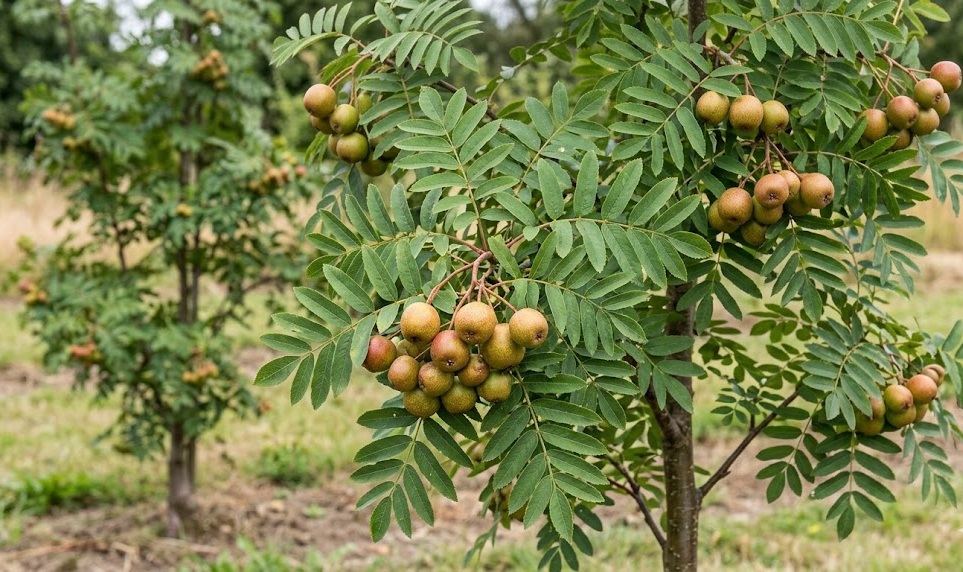

Preparing a service tree for the winter months is a vital task that ensures its survival and productivity in the following season. While mature trees of this species are remarkably cold-hardy, they still face significant challenges from extreme temperature fluctuations and physical winter damage. Understanding the physiological changes the tree undergoes during dormancy allows you to provide the necessary protection at the right time. A well-prepared tree will emerge from its winter sleep with the energy needed for a vibrant spring growth spurt.
The process of overwintering begins long before the first frost arrives, as the tree naturally starts to harden its tissues in response to shorter days. During this period, nutrients are moved from the leaves into the trunk and roots for storage. As a professional, your role is to support this transition by avoiding late-season practices that might stimulate new, tender growth. This natural dormancy is a critical phase in the tree’s annual cycle, allowing it to withstand temperatures well below freezing.
Winter threats are not limited to the cold itself but also include factors like desiccation, heavy snow loads, and wildlife activity. High winds can strip moisture from the bark and buds, especially when the ground is frozen and the roots cannot replenish it. Heavy snow or ice can put immense pressure on the branch structure, potentially leading to significant breakage. Additionally, hungry animals may target the bark or low-hanging branches as other food sources become scarce in the landscape.
Monitoring the weather patterns and the tree’s condition throughout the dormant season is a key part of professional care. Even though the tree appears inactive, it is still a living organism that may require occasional attention. Checking for physical damage after storms or signs of animal browsing allows you to intervene quickly and prevent further issues. This attentive approach ensures that the tree remains structurally sound and healthy until the warmth of spring triggers the next growth phase.
Assessing frost hardiness and environmental risks
The service tree is generally rated for significant cold tolerance, often surviving in climates with temperatures reaching as low as minus twenty degrees Celsius. However, its actual hardiness can be influenced by several factors, including its age, its health, and how quickly the temperature drops. A sudden, extreme freeze in early autumn before the tree has fully hardened can be more damaging than much colder temperatures in mid-winter. Professional management involves understanding these nuances and being prepared for unusual weather events.
More articles on this topic
Microclimatic conditions in your specific location can also play a major role in how the tree experiences the winter. Trees planted in low-lying frost pockets may be exposed to colder air for longer durations than those on slightly elevated ground. Similarly, exposure to prevailing winter winds can increase the risk of desiccation and mechanical stress. Recognizing these local risks allows you to implement targeted protective measures that address the specific challenges of your site.
Soil moisture levels going into the winter are another critical factor for successful overwintering. While you should not over-water, ensuring the soil is adequately moist before the ground freezes helps the tree maintain its internal hydration. Frozen soil prevents the roots from taking up water, so the tree must rely on its internal reserves and the moisture already in the root zone. A well-hydrated tree is much better equipped to handle the drying effects of cold winter air.
Finally, you should consider the impact of late spring frosts, which can be particularly damaging to the early blossoms of the service tree. If the tree is encouraged into early growth by a warm spell, its tender new tissues will be highly vulnerable to a return of freezing temperatures. Choosing a planting site with good air drainage or providing temporary cover during these critical nights can protect the year’s potential fruit crop. Professional vigilance during these transitional periods is essential for maintaining consistent annual yields.
Protecting young saplings and vulnerable trees
Young service trees are significantly more vulnerable to winter damage than their mature counterparts. Their root systems are less extensive, and their bark is thinner, providing less insulation against extreme cold. During the first few years after planting, you should take extra precautions to ensure they survive the harshest winter conditions. This often involves the use of physical barriers or specialized materials that provide a buffer against the elements.
More articles on this topic
Wrapping the trunk of a young tree with burlap or specialized tree wrap is a common and effective practice. This protection helps to prevent sunscald, a condition where the bark is warmed by the winter sun during the day and then freezes rapidly at night. Sunscald can cause the bark to crack and peel, creating entry points for pests and diseases. The wrap should be applied in late autumn and removed in early spring to allow the trunk to expand naturally.
In regions with very extreme cold or frequent high winds, you might consider creating a temporary windbreak for young specimens. This can be as simple as a few stakes driven into the ground with burlap stretched between them on the windward side. This shield reduces the wind chill and prevents the tender buds from being excessively dried out. It is important to ensure the windbreak is sturdy enough to withstand winter storms but does not touch the tree itself.
Providing a thick layer of mulch around the base of the tree is especially important for young saplings. This layer insulates the soil and helps to prevent the ground from freezing as deeply or as quickly as it would otherwise. It also minimizes the risk of frost heaving, where the repeated freezing and thawing of the soil can push a young tree out of the ground. Maintaining a healthy mulch ring is a simple but highly effective way to protect the sensitive root system of a newly planted tree.
Root protection and soil thermal management
The root system of the service tree is its most vital asset, and protecting it from extreme cold is a priority for any professional. While the above-ground parts of the tree are adapted to freezing temperatures, the roots are generally more sensitive. Soil acts as a natural insulator, but in very cold winters or areas with little snow cover, the frost can penetrate deep into the ground. Managing the thermal properties of the soil can significantly improve the tree’s winter survival and spring vigor.
Maintaining a healthy layer of organic mulch is the single most effective way to manage soil temperatures during the winter. Materials like wood chips, straw, or fallen leaves provide an insulating blanket that slows the loss of heat from the earth. This mulch layer should be checked and replenished in late autumn to ensure it is at least three to four inches deep. A well-mulched soil stays warmer longer and thaws more gradually in the spring, providing a more stable environment for the roots.
Snow cover is actually a very effective natural insulator, providing a deep blanket of protection for both the roots and the lower trunk. In years with low snowfall, the risk of deep soil freezing increases significantly, making your mulch layer even more important. If possible, you can even pile extra snow around the base of high-value trees to take advantage of its insulating properties. However, be careful not to pack the snow too tightly, as it needs to remain porous to provide the best insulation.
Avoiding any soil disturbance or cultivation near the tree in late autumn is another professional standard for winter preparation. Digging or tilling can break up the soil structure and allow the cold to penetrate more easily into the root zone. It can also damage the fine feeder roots that the tree relies on for water uptake as soon as the soil begins to thaw. Leaving the soil undisturbed and well-protected ensures that the root system remains intact and ready for the upcoming growing season.
Managing wildlife pressure and mechanical stress
Winter can be a time of significant physical stress for a service tree, both from the environment and from hungry wildlife. In many areas, deer, rabbits, and rodents become much more active in their search for food as the winter progresses. They often find the bark of young trees or the low-hanging branches of mature ones to be an attractive food source. Protecting the tree from this browsing pressure is essential for preventing structural damage and ensuring long-term health.
Installing a sturdy wire mesh guard around the trunk is the most reliable way to prevent damage from larger animals like deer. This guard should be tall enough to reach above the expected snow line, as animals can often reach higher when standing on deep snow. For smaller rodents like voles, the mesh should be fine and buried a few inches into the ground to prevent them from tunneling underneath. These simple physical barriers are much more effective than chemical repellents, which often need to be reapplied frequently.
Heavy snow and ice accumulations pose a different kind of threat, primarily through the risk of limb breakage. You should avoid the temptation to shake heavy snow off the branches, as the wood is often brittle in the cold and can snap easily. Instead, allow the snow to melt naturally or gently brush it away if it seems to be putting extreme pressure on a specific limb. Proper structural pruning during the dormant season can also help by creating a canopy that is less likely to trap large amounts of snow.
After any significant winter storm, you should perform a visual inspection of the tree to check for any new damage. If a branch has broken, it should be pruned back to a clean cut as soon as weather conditions allow. This prevents the wound from tearing further and helps the tree seal the area more effectively in the spring. Being proactive in managing these physical stresses ensures that the service tree remains a safe and beautiful part of your landscape for many years to come.