
Successfully overwintering the purple gromwell is a key challenge for gardeners in regions with cold or unpredictable winters. While this evergreen shrub is rated for moderate frost, its low-growing habit and specialized needs require specific protective measures. You must understand that the plant’s primary vulnerability during winter is not just the cold, but also the drying effects of wind and the risk of root rot from cold, wet soil. Proper preparation begins in late autumn, ensuring the plant enters its dormant phase in the best possible condition.
The overall health of the plant during the growing season directly impacts its ability to survive the winter months. You should ensure the plant is well-hydrated before the ground freezes, as evergreen leaves continue to lose moisture even in cold weather. However, you must also be careful to avoid overwatering, as the plant’s metabolic rate is significantly reduced during this time. A professional approach involves monitoring soil moisture and adjusting your care based on the specific weather patterns of the season.
Protective mulching is one of the most effective ways to shield the root system from extreme temperature fluctuations. A layer of organic material can act as an insulator, preventing the cycle of freezing and thawing that can push plants out of the ground. You should choose a mulch that is acidic and well-draining to maintain the soil conditions the plant prefers. This simple step can make a significant difference in the survival rate of young or recently established plants.
For those growing the purple gromwell in containers, the overwintering process requires even more attention to detail. Plants in pots are far more exposed to the cold than those in the ground, and their roots can freeze much more quickly. You may need to move containers to a more sheltered location or provide additional insulation for the pots themselves. By taking these professional precautions, you can ensure your purple gromwell emerges from the winter ready for a vibrant spring.
Cold tolerance and preparation
The purple gromwell is generally hardy to USDA zones 6 or 7, meaning it can withstand temperatures down to approximately -15 degrees Celsius. However, its actual survival depends on factors like the duration of the cold and the presence of protective snow cover. You should research your local climate and historical weather patterns to determine the level of protection your plants will need. Understanding these limits allows you to prepare for the specific challenges your garden will face.
More articles on this topic
Preparation begins in the late summer by avoiding the use of high-nitrogen fertilizers that could stimulate new, soft growth. This tender foliage is very easily damaged by the first frost and can provide an entry point for diseases. Instead, you should allow the existing growth to harden off naturally as the days shorten and temperatures drop. This natural aging process strengthens the cell walls of the plant, making it more resilient to freezing temperatures.
You should also perform a final cleanup of the area around the plant before the first heavy snow or frost arrives. Remove any fallen leaves from nearby trees that may have settled on top of the gromwell mat, as these can trap moisture and cause rot. Ensuring the crown of the plant is clear and the surrounding soil is free of debris reduces the risk of fungal issues during the damp winter months. This tidy approach is a simple but effective part of professional winter preparation.
In areas with very cold, dry winters, you might consider applying an anti-desiccant spray to the evergreen foliage. These products create a thin, protective film that reduces the amount of moisture lost through the leaves when the ground is frozen. This is particularly useful if your garden is exposed to frequent winter winds that can quickly dehydrate the plant. Protecting the moisture balance of the foliage is critical for maintaining the plant’s health until the spring thaw.
Mulching for winter protection
Choosing the right mulch for winter protection involves balancing insulation with the plant’s need for an acidic environment. Pine needles, also known as pine straw, are an excellent choice because they are naturally acidic and allow for good airflow. You should apply a layer about two to three inches deep around the base of the plant, being careful not to bury the foliage entirely. This layer helps stabilize the soil temperature and prevents the ground from freezing as deeply.
More articles on this topic
If pine needles are not available, a layer of finely shredded bark or acidic compost can also provide the necessary insulation. You should avoid using heavy or matted materials like whole leaves or grass clippings, which can block oxygen and trap too much moisture. The goal is to create a breathable barrier that protects the roots while still allowing the plant to function normally. Professional gardeners often prefer inorganic mulches like grit or gravel in very wet climates to prioritize drainage.
The timing of mulch application is just as important as the material you choose to use. You should wait until the ground has started to cool significantly but before it has frozen solid for the winter. Applying mulch too early in the autumn can trap heat in the soil and delay the plant’s entry into dormancy. Conversely, waiting too long can expose the roots to the first harsh freezes of the season without any protection.
Throughout the winter, you should periodically check the mulch layer to ensure it has not been displaced by wind or animals. You may need to refresh or reposition the material to maintain an even layer of protection over the root zone. This ongoing attention ensures that the plant remains shielded throughout the most challenging months of the year. Mulching is a foundational professional practice that pays off in the health and vigor of your plants the following spring.
Potted winter care
Growing the purple gromwell in containers offers many advantages, but it also presents unique challenges during the winter months. Because the roots are above the ground, they lack the natural insulation provided by the earth and are much more vulnerable to the cold. You should consider moving your pots to a more sheltered location, such as against a south-facing wall or inside an unheated greenhouse. This simple move can provide several degrees of protection that may be vital for survival.
If moving the pots is not an option, you can wrap the containers in insulating materials like burlap, bubble wrap, or specialized frost blankets. This helps slow down the cooling of the soil and protects the delicate root system from sudden temperature drops. You should focus your insulation efforts on the sides of the pot rather than the top, ensuring the plant still has access to light and air. Elevating the pots on “feet” can also prevent them from freezing to the ground and improve drainage.
Watering potted plants in the winter is a delicate task that requires careful monitoring of the soil moisture. You should check the pots during any periods of thaw to ensure the soil has not become bone-dry. If the soil is dry to the touch, provide a small amount of water during a mild part of the day, ensuring the pot can drain freely. Never water when the soil is frozen, as the roots cannot absorb the liquid and the ice can expand and damage the container.
As spring approaches, you should gradually transition your potted plants back to their normal growing conditions. Remove any heavy insulation as the risk of extreme cold passes, but keep frost blankets nearby for any late-season cold snaps. This gradual reintroduction to the environment prevents the plant from being shocked by sudden changes in temperature or light intensity. Potted winter care requires a high level of vigilance, but the results are well worth the extra effort.
Spring recovery and assessment
The arrival of spring is the time to assess how well your purple gromwell has survived the winter and begin its recovery. You should carefully remove any winter protection once the threat of severe frost has passed and the ground has begun to warm. This allows the soil to dry out and prevents the crown of the plant from becoming too damp. Be gentle when removing mulch to avoid damaging any new growth that may be starting to emerge.
Examine the foliage for any signs of winter burn, which appears as brown or bleached patches on the leaves. If the damage is minor, the plant will likely outgrow it as the season progresses and new leaves develop. However, if entire stems have died back, you should prune them away to make room for healthy new growth. This spring cleanup encourages the plant to focus its energy on producing the new shoots and flower buds for the coming season.
Wait until the soil has warmed up before you consider applying any spring fertilizer or performing major maintenance. The plant’s roots need to be active and growing to effectively take up nutrients and recover from any winter stress. Once you see consistent new growth, you can apply a light feeding of an acidic fertilizer to give the plant a boost. This marks the end of the overwintering phase and the beginning of another year of growth and flowering.
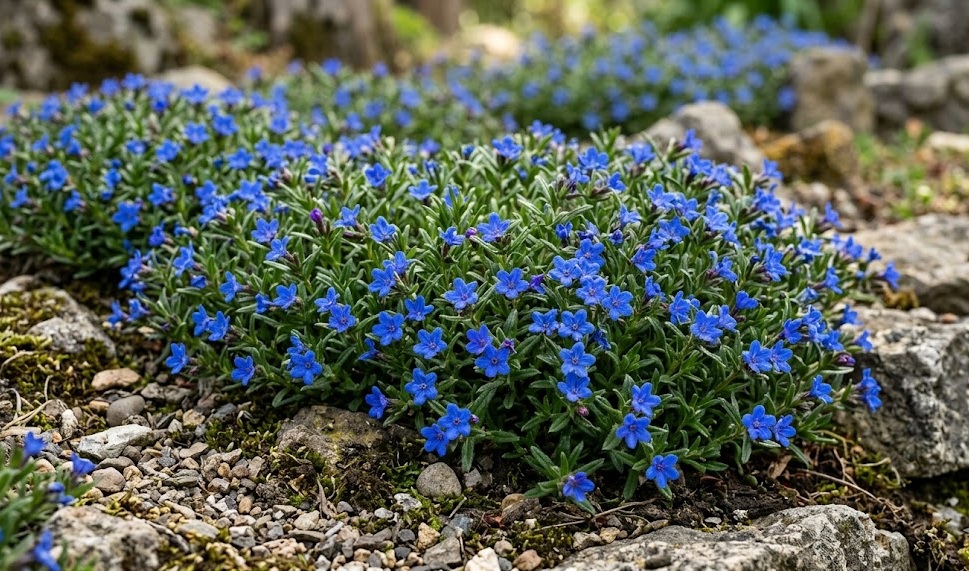
If a plant appears to have been severely damaged or has not survived the winter, use the opportunity to evaluate your overwintering strategy. Consider whether the location was too exposed or if the drainage was insufficient during the wet winter months. Each winter provides a learning experience that can help you improve your professional gardening skills and ensure better success in the future. The purple gromwell is a resilient species, and with the right care, it will reward you with its stunning blue flowers year after year.