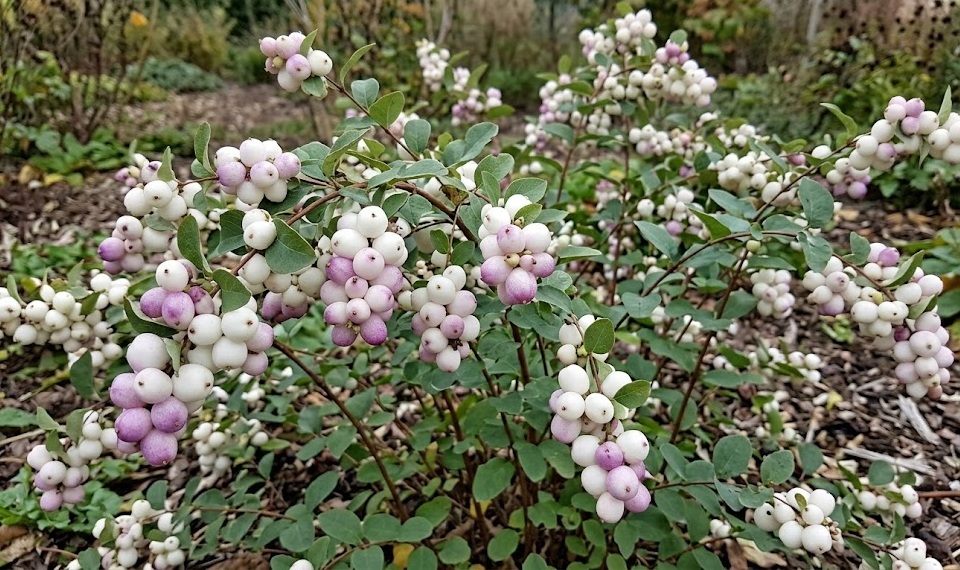

Preparing the garden snowberry for the winter months is a relatively straightforward task thanks to the inherent hardiness of this species. While many garden plants require elaborate protection, the snowberry is designed by nature to withstand freezing temperatures and snow cover. You should focus your efforts on ensuring the plant is physically stable and that the soil conditions are optimal before the ground freezes solid. A few professional touches in late autumn will guarantee that the shrub emerges in the spring with its vigor fully intact.
The first step in a successful overwintering strategy is to assess the overall hydration of the plant as the temperatures begin to drop. If the autumn has been particularly dry, a series of deep waterings before the first hard frost is essential to prevent winter desiccation. Roots that are well-hydrated are better equipped to withstand the physical stress of the soil freezing and thawing. You should aim to provide enough water so that the moisture reaches deep into the root zone, creating a vital reservoir for the dormant period.
The decorative white berries are the highlight of the winter season and are remarkably resistant to the cold. Unlike many other fruits that shrivel at the first frost, these berries often persist on the branches well into the new year. This longevity is part of the plant’s strategy for seed dispersal, as it provides a food source for wildlife during the leanest months. You don’t need to do anything to protect the berries, as they are naturally adapted to the harsh conditions of the dormant season.
Structural stability is a key concern when heavy snow or ice is expected in your region. The arching branches of the snowberry can sometimes trap large amounts of snow, which may lead to bending or even snapping under the weight. You should inspect the shrub for any particularly long or weak stems that might benefit from a light thinning before the winter arrives. Ensuring the plant has a balanced shape helps distribute the weight of the snow more evenly across the entire structure.
Mulching and root zone protection
Protecting the root system from extreme temperature fluctuations is a vital part of winter care, even for hardy shrubs like the snowberry. Applying a fresh layer of organic mulch in late autumn acts as an insulating blanket for the soil. This layer helps to keep the ground temperature more stable, preventing the damaging “heave” that can occur when soil repeatedly freezes and thaws. You should use materials like wood chips, straw, or shredded leaves, spreading them in a wide circle around the base of the plant.
More articles on this topic
The mulch layer also serves a dual purpose by suppressing any cool-season weeds that might try to establish themselves during a mild winter. By keeping the soil covered, you ensure that the snowberry doesn’t have to compete for resources as soon as it wakes up in the spring. Be sure to keep the mulch a few centimeters away from the main trunk to allow for proper air circulation and to prevent bark rot. This simple task is one of the most effective ways to support the long-term health of your ornamental shrubs.
In areas with very light, sandy soil, the roots are more vulnerable to the cold because the earth doesn’t hold heat as well as clay or loam. If your garden has these conditions, a slightly thicker layer of mulch may be beneficial to provide extra protection. You can also use evergreen boughs or specialized horticultural fleece to cover the base of the plant if an exceptionally cold snap is predicted. These temporary measures can provide just enough extra warmth to prevent any root damage during the coldest nights.
Winter is also a time when the soil can become compacted due to the weight of snow or heavy winter rains. The presence of a mulch layer helps to cushion the soil surface and maintain its structure throughout the dormant months. When the snow eventually melts, the mulch prevents the surface from becoming capped or crusty, allowing water to penetrate easily in the spring. Professional gardeners understand that winter care is as much about the soil as it is about the plant itself.
Wildlife interactions and winter protection
The garden snowberry plays an important role in the winter ecosystem by providing cover and a potential food source for various animals. Small birds often use the dense, twiggy structure of the shrub as a shelter from cold winds and predators. You might notice increased activity around the plant as the temperature drops, which can add a lovely sense of life to an otherwise quiet winter garden. Supporting this local biodiversity is one of the many rewards of including this shrub in your landscape design.
More articles on this topic
While the berries are not the first choice for all bird species, they become more attractive as other food sources are depleted. This natural interaction is part of the plant’s life cycle and should be encouraged rather than prevented. If you are concerned about the berries being stripped too quickly, you can provide supplemental bird feeders nearby to offer alternatives. Seeing the contrast of a bright red cardinal or a small chickadee against the white berries and dark stems is a classic winter garden scene.
In some regions, larger animals like deer or rabbits may attempt to browse on the stems of the snowberry when other greenery is unavailable. While the plant is generally not their favorite, severe hunger can lead to significant damage to the lower branches. If you have a high population of these animals in your area, using a temporary wire mesh fence around the shrub can be an effective deterrent. This physical barrier ensures that the primary structure of the plant remains intact until the spring growth begins.
Rodents can also be a concern during the winter, as they may build nests in thick mulch and gnaw on the bark of the shrub for moisture. To prevent this, make sure the mulch is not piled directly against the stems and keep the area immediately around the base clear of tall, dead grass. You can also occasionally check the base of the plant for any signs of tooth marks or burrowing activity. A proactive approach to wildlife management ensures that your snowberry remains a healthy part of the ecosystem without suffering unnecessary damage.
Transitioning from winter to spring
As the days begin to lengthen and the first signs of spring appear, the snowberry will slowly emerge from its dormant state. This transition period is a good time to assess how well the plant has weathered the winter and plan your early-season tasks. You should look for any signs of winter kill, which appears as brittle, dark branches that show no signs of life. Removing these dead sections early allows the plant to focus its energy on new, healthy growth as soon as the sap begins to flow.
The melting of winter snow provides a natural irrigation boost that helps the plant transition into the growing season. You should monitor the drainage in the area to ensure that the melting water doesn’t pool around the roots for too long. If the ground remains waterlogged, it can lead to root stress just as the plant is trying to become active again. Once the soil has thawed and dried out slightly, you can gently rake away any old, matted mulch to make room for a fresh application.
Early spring is also the ideal time to apply a balanced fertilizer to give the plant the nutrients it needs for its initial growth spurt. You should wait until the soil has warmed up and you see the first hints of green in the buds before feeding. This timing ensures that the nutrients are available exactly when the plant is ready to use them. Starting the season with a well-fed and well-maintained shrub sets the stage for a spectacular display of foliage and berries later in the year.
Finally, take a moment to appreciate the resilience of the garden snowberry as it begins another cycle of growth. The fact that it requires so little intervention during the winter is a testament to its value as a low-maintenance, high-impact landscape plant. By following these professional guidelines for overwintering, you have ensured that your shrub will continue to be a cornerstone of your garden for years to come. Consistency and careful observation remain your best tools for horticultural success throughout every season.