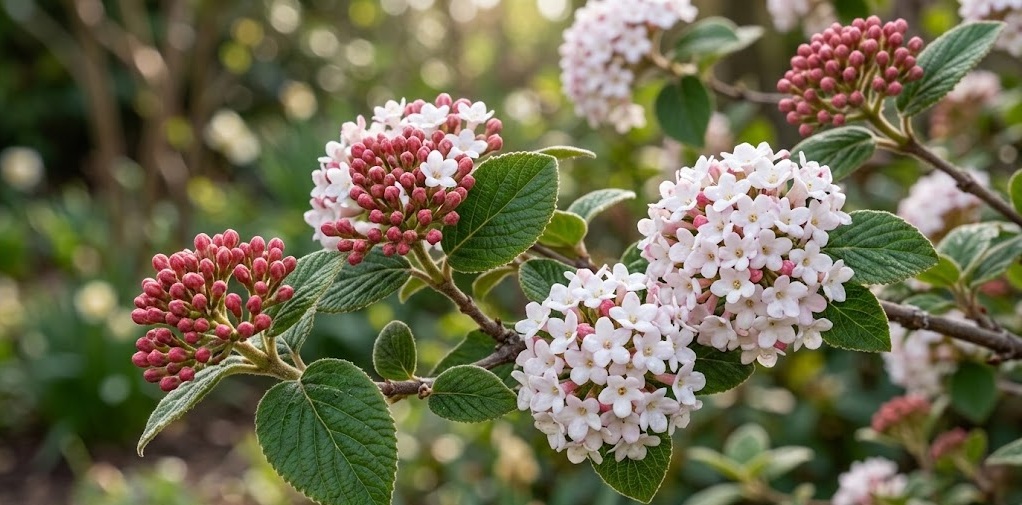

Overwintering the fragrance viburnum is a critical phase of care that ensures the plant survives the coldest months and returns with vigor in the spring. You should begin your preparations well before the first hard frost to allow the shrub to transition naturally into its dormant state. While this variety is generally hardy, providing a little extra protection can prevent damage to the delicate flower buds that are already formed on the branches. A professional approach to winter care protects your investment and ensures a spectacular floral display every year.
The process of hardening off involves the plant slowly adjusting its internal chemistry to withstand freezing temperatures. You should avoid any activities that might stimulate late-season growth, such as heavy pruning or late fertilization with nitrogen. This soft growth is full of water and will be the first thing to die when the temperatures drop below freezing. Allowing the plant to naturally slow down its metabolism is the best way to prepare it for the challenges of winter.
Moisture management is just as important in the winter as it is during the summer, although the requirements are different. You will notice that cold, dry winds can pull moisture out of the dormant stems and buds, leading to a condition known as winter desiccation. Ensuring the plant is well-hydrated before the ground freezes solid provides a vital reserve that it can draw from during a long cold spell. A deep watering in late autumn is one of the most effective things you can do for your viburnum’s winter health.
Physical protection from the elements can take many forms depending on the severity of your local winter climate and the exposure of your site. You should consider the impact of heavy snow loads and strong winds on the structural integrity of the branches. In some cases, a temporary barrier or a simple tie-up of the branches can prevent mechanical damage from ice and snow. Taking these technical steps now will save you from having to deal with broken stems and ruined shapes in the spring.
Preparing for frost and managing late-season growth
The transition from the active growing season to winter dormancy begins as the days become shorter and the temperatures start to cool. You should observe the change in leaf color as a sign that the plant is moving nutrients into its roots and woody structure for storage. During this period, you should reduce your watering schedule slightly, but never let the soil dry out completely. This gradual reduction helps signal to the plant that it is time to stop growing and start protecting itself.
More articles on this topic
Cleaning up the area around the base of the shrub is a professional hygiene practice that reduces the risk of overwintering pests and diseases. You should remove any fallen leaves and debris that might harbor fungal spores or provide a winter home for damaging insects. This simple act of sanitation makes it much harder for problems to re-emerge when the weather warms up in the spring. A clean garden bed is a healthy garden bed, regardless of the season.
If your region is prone to very early or unusually severe frosts, you might want to have some protective covers ready to go. You should use a breathable material like burlap or a specialized garden frost cloth rather than plastic, which can trap moisture and cause heat spikes during the day. Covering the shrub during an extreme cold snap can protect the newly formed flower buds from being killed by the ice. This extra layer of security can be the difference between a fragrant spring and a green but flowerless one.
Finally, take a moment to inspect the overall health of the shrub one last time before it enters full dormancy. You should look for any signs of late-season pests or diseases that might need a final treatment before the winter sets in. Addressing these small issues now prevents them from becoming large problems while the plant is in its most vulnerable state. A well-prepared plant is a resilient plant that will reward your efforts with a beautiful return in the spring.
Mulching for root protection and temperature stability
A fresh layer of mulch is perhaps the most important physical barrier you can provide for your viburnum during the winter months. You should apply a layer of organic material, such as wood chips or shredded bark, to a depth of about three to four inches. This layer acts as an insulator, keeping the soil temperature more stable and preventing the “heaving” that occurs with repeated freezing and thawing. Protecting the root system from these temperature fluctuations is essential for long-term health.
More articles on this topic
The timing of your mulch application should ideally be after the first light frost but before the ground freezes solid. You want to trap a bit of the earth’s natural warmth while also preventing the soil from becoming too cold too quickly. Remember to keep the mulch a few inches away from the actual trunk of the shrub to avoid trapping moisture against the bark. This “donut” shape is a professional technique that provides all the benefits without the risks of trunk rot.
As the winter progresses, you should occasionally check the mulch layer to ensure it hasn’t been washed away or dispersed by the wind. You will find that birds and small mammals often disturb the mulch while searching for food, so a quick raking may be necessary to restore the protective layer. If the winter is particularly dry, the mulch also helps to keep what little moisture is in the soil from evaporating. It is a simple tool that performs multiple vital functions for your plant.
In the early spring, you will eventually need to pull the mulch back slightly to allow the soil to warm up and the new growth to emerge. You should do this gradually as the danger of hard frost passes, taking care not to disturb the awakening roots. The old mulch can then be incorporated into the soil or topped with a fresh layer for the coming growing season. Managing the mulch cycle is a fundamental part of the professional gardener’s seasonal toolkit.
Winter wind barriers and structural protection
Strong, cold winds are one of the biggest threats to the health of the fragrance viburnum during its dormant period. You should consider the placement of your shrub and whether it is exposed to the full force of winter gusts from the north or west. Wind can cause rapid moisture loss from the stems and buds, leading to “die-back” where the tips of the branches turn brown and fail to grow in the spring. A well-placed windbreak can significantly improve the survival rate of these delicate parts.
If your plant is in a particularly exposed spot, you can create a professional-style windbreak using wooden stakes and burlap. You should drive the stakes into the ground around the shrub and wrap the burlap around them, leaving a gap at the top for air circulation. This screen blocks the most damaging winds while still allowing the plant to breathe and interact with the natural environment. It is a temporary solution that provides a massive benefit for the plant’s winter comfort.
Heavy snowfall and ice storms can also cause significant mechanical damage to the structure of a mature viburnum. You should gently brush off heavy accumulations of snow from the branches using an upward motion to prevent them from snapping under the weight. Never try to break off ice that has frozen onto the stems, as this will almost always cause damage to the bark and the underlying tissue. Patience is required during an ice storm; it is better to let the ice melt naturally.
For younger or more sprawling specimens, you might consider loosely tying the main branches together with a soft twine to provide extra support. You should be careful not to tie them too tightly, as this can restrict air flow and potentially damage the bark. This simple structural reinforcement helps the plant hold its shape against the weight of the snow and the pressure of the wind. Taking these precautions shows a high level of dedication to the long-term beauty of your landscape.
Late winter checks and preparing for the spring awakening
As the winter begins to wane and the first hints of spring appear, you should resume a more active role in monitoring your viburnum. You should look for any signs of animal damage, such as deer browsing or mice chewing on the bark near the base. If you find any damage, a light pruning or the application of a protective wrap may be necessary to prevent further harm. This late-season vigilance ensures that the plant enters the new year in the best possible condition.
Check the soil moisture level during any mid-winter thaws to ensure that the roots haven’t dried out completely. You should provide a light watering if the ground is soft and the weather has been unusually dry for an extended period. This small boost of hydration can help the plant begin the process of breaking dormancy with plenty of internal reserves. It is a professional touch that can give your shrub a significant head start on the coming season.
Avoid the temptation to remove all your winter protection too early, as late spring frosts can be just as damaging as the depth of winter. You should wait until you see the first signs of bud swelling before you begin to dismantle any windbreaks or remove protective covers. Gradually acclimating the plant to the changing conditions is much safer than making a sudden change. Your patience during this transition phase will be rewarded with a healthy and vibrant start to the year.
Finally, take a moment to plan your spring maintenance schedule while the plant is still mostly quiet. You should think about your first fertilization, any necessary pruning, and how you will manage the mulch as the weather warms up. Having a professional plan in place allows you to act quickly and effectively as soon as the growing season truly begins. The success of your spring bloom is built on the careful foundation of your winter care.