
Preparing the flowering almond for the harsh conditions of winter is a critical aspect of its long-term health and survival in temperate climates. While this shrub is generally hardy, the cycle of freezing and thawing, combined with drying winds, can take a significant toll on its delicate branches and root system. A professional overwintering strategy involves a series of proactive steps taken in the late autumn to ensure the plant remains protected throughout its dormant phase. By understanding the biological needs of the plant during its rest period, you can guarantee a vibrant and healthy return to life when spring arrives.
Autumn preparation and hardening off
The process of overwintering begins long before the first frost arrives, as the plant naturally starts to slow its growth in response to shorter days. You should support this transition by gradually reducing the amount of supplemental water you provide as the autumn progresses. This signals to the plant that it is time to stop producing new, succulent shoots and start thickening the cell walls of its existing stems. Refraining from applying any nitrogen-rich fertilizers after mid-summer is also essential, as late-season growth is highly vulnerable to freezing.
Cleaning up the area around the base of the shrub is another vital autumn task that prevents future problems. You should remove any fallen leaves, spent flowers, and weeds that could harbor pests or fungal spores over the winter months. This sanitation reduces the likelihood of an early spring outbreak of diseases like brown rot or leaf spot. Once the area is clear, you can inspect the trunk and main branches for any signs of physical damage or disease that might need attention before the cold sets in.
Pruning in the late autumn should be kept to an absolute minimum, focusing only on removing dead or broken branches that could snap under the weight of snow. Heavy pruning at this time can stimulate the plant to break dormancy if a warm spell occurs, which can lead to severe winter injury. Any major structural pruning should be saved for the late spring after the blossoms have faded. Keeping the canopy relatively intact provides a natural layer of protection for the interior parts of the shrub during the coldest months.
Hydration remains important even as the plant goes dormant, so ensure that the soil is thoroughly moist before the ground freezes solid. A plant that enters the winter in a dehydrated state is much more likely to suffer from winter burn, a condition where the branches dry out because the roots cannot take up water from the frozen earth. Providing one final, deep soaking in the late autumn provides a vital reservoir of moisture for the roots. This simple step can make a profound difference in how well the flowering almond survives a particularly dry or windy winter.
More articles on this topic
Root protection and mulching
Insulating the root system is perhaps the most effective way to protect a flowering almond from the stresses of winter. Soil temperatures can fluctuate wildly in the late winter, and these rapid changes can cause the ground to “heave,” which physically damages the delicate roots. By applying a thick layer of organic mulch, you create a thermal buffer that keeps the soil temperature more stable. This protection is especially important for young or newly planted shrubs that have not yet developed an extensive root network.
The best materials for winter mulching include shredded bark, wood chips, or well-rotted compost, as these provide excellent insulation and slowly improve the soil as they break down. You should aim for a layer that is three to four inches deep, extending out to the drip line of the shrub’s canopy. Be careful to keep the mulch several inches away from the actual trunk of the plant to prevent moisture buildup against the bark, which can lead to rot. A “donut” shape is much safer and more effective than a “volcano” shape that touches the wood.
In regions with extremely cold winters or very little snow cover, you might consider an even thicker layer of mulch or even straw for added protection. Snow itself is an excellent insulator, but you cannot always rely on it being present when the temperatures drop to their lowest. If your garden is prone to strong winds, you can secure light mulch with a piece of bird netting or a few heavy stones to keep it in place. This extra effort ensures that the roots stay cozy and protected regardless of what the weather brings.
As the spring thaw begins, you should gradually pull the mulch back to allow the soil to warm up and the roots to resume their activity. However, do not remove it entirely, as it will continue to suppress weeds and conserve moisture throughout the coming growing season. You can top it up with a fresh layer of compost or bark once the danger of deep frost has passed. This continuous cycle of mulching is one of the easiest and most beneficial things you can do for the long-term health of your ornamental shrubs.
More articles on this topic
Protecting the structure from physical damage
Heavy snow and ice can be particularly damaging to the multi-stemmed structure of the flowering almond, often causing branches to bend or snap. If a heavy snowfall occurs, you can gently brush the snow off the branches with a broom, always moving from the bottom of the plant upwards to avoid adding more weight to the lower limbs. Never try to shake or beat the ice off the branches, as frozen wood is very brittle and will break easily. If a branch does break, you should make a clean cut with sharp pruners as soon as the weather permits to prevent further tearing of the bark.
Wind is another major winter threat, especially for shrubs planted in open, exposed locations. Cold winter winds can pull moisture out of the stems faster than the roots can replace it, leading to dieback at the tips of the branches. You can create a temporary windbreak using burlap wrapped around a few wooden stakes driven into the ground near the shrub. This screen should be placed on the windward side and should not touch the plant itself, allowing air to circulate while blocking the harshest gusts.
For the grafted tree forms of the flowering almond, the trunk and the graft union are particularly sensitive to temperature extremes and physical injury. You can protect the trunk with a specialized tree wrap or a plastic guard to prevent “sunscald,” which happens when the winter sun warms the bark during the day and it freezes rapidly at night. These guards also provide an excellent defense against hungry rabbits and rodents that might gnaw on the bark when other food sources are scarce. Protecting the trunk is essential for maintaining the vascular connection between the roots and the canopy.
Young plants can be further protected by creating a wire mesh cage around them and filling it loosely with dry leaves or straw. This “nesting” technique provides a high level of insulation for the entire structure and is often used for less hardy species or in very northern climates. Just be sure to remove the material early in the spring to prevent it from becoming too damp and encouraging fungal growth as the temperatures rise. A bit of structural support and protection can save you years of growth that might otherwise be lost in a single bad winter.
Post winter recovery and assessment
Once the harshest part of the winter has passed and the ground begins to thaw, it is time to assess how well your flowering almond has fared. You should walk around the shrub and look for any signs of winter injury, such as split bark, shriveled stem tips, or branches that have been pulled away from the main structure. It is normal to see a small amount of tip dieback in colder regions, which can be easily pruned away once the buds begin to show signs of life. Avoid any major interventions until you are sure where the live wood begins and the dead wood ends.
The appearance of the first buds is the most exciting sign that the plant has successfully navigated the winter. If you notice that the buds on certain branches are not swelling while the rest of the plant is waking up, those stems may have been damaged by the cold. You can perform a simple “scratch test” by using your fingernail to scrape a tiny bit of bark away; if it is green underneath, the wood is still alive. If it is brown and dry, the branch is likely dead and should be removed to make room for new growth.
Early spring is also the time to address any damage caused by hungry wildlife during the winter months. If rabbits have chewed on the lower branches, you should prune those areas back to a healthy bud to encourage clean regrowth. If the damage to the main trunk is severe, you may need to apply a bit of extra care or even consider if the plant can be saved. Fortunately, the flowering almond is a resilient species and can often recover from significant physical stress if the root system remains healthy.
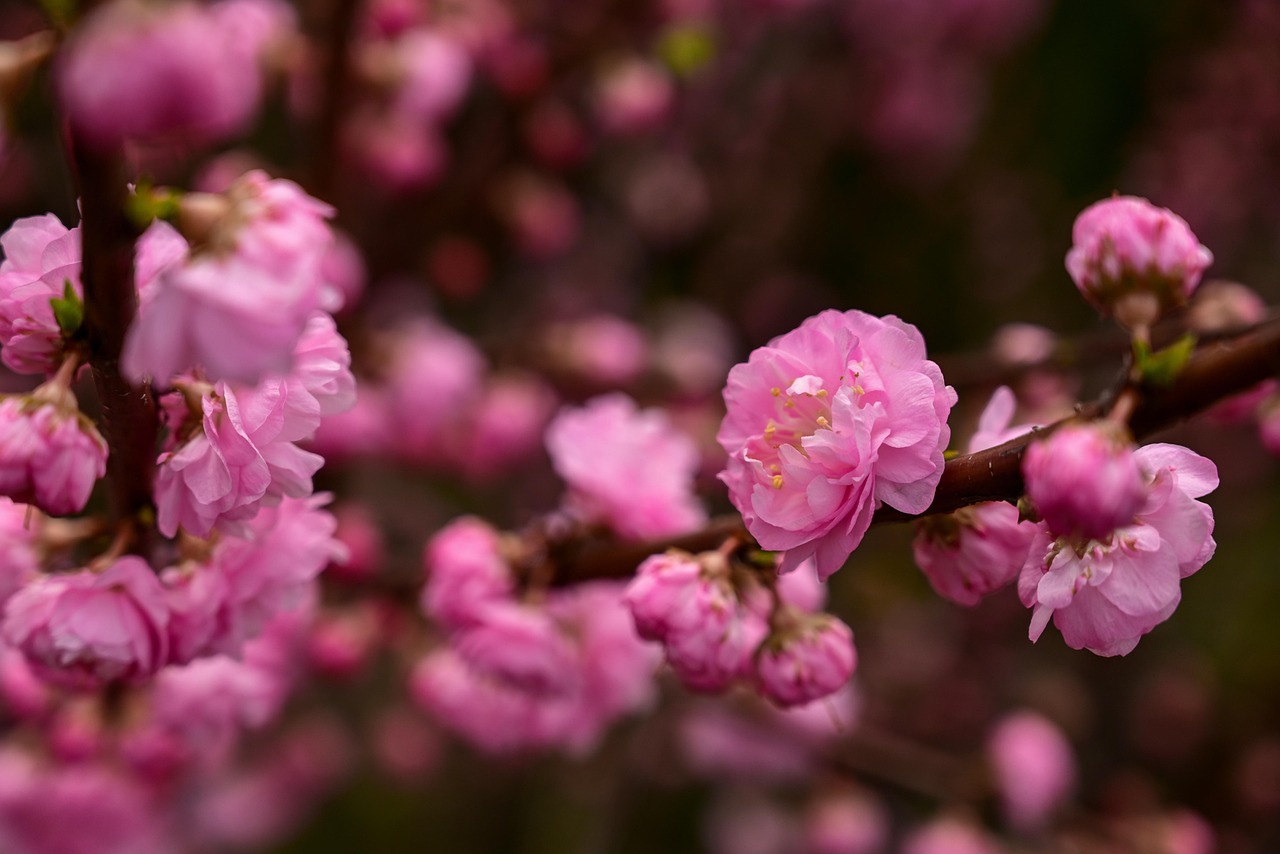
Finally, as the threat of deep frost passes, you should provide the plant with its first deep watering of the season to support the coming explosion of flowers. This is also the perfect time to apply a balanced fertilizer to give the shrub the nutrients it needs for its spring growth spurt. By following a consistent overwintering and recovery routine, you turn the challenge of winter into a manageable part of the gardening cycle. Your reward will be the spectacular cloud of pink blossoms that signals the true arrival of spring in your garden.