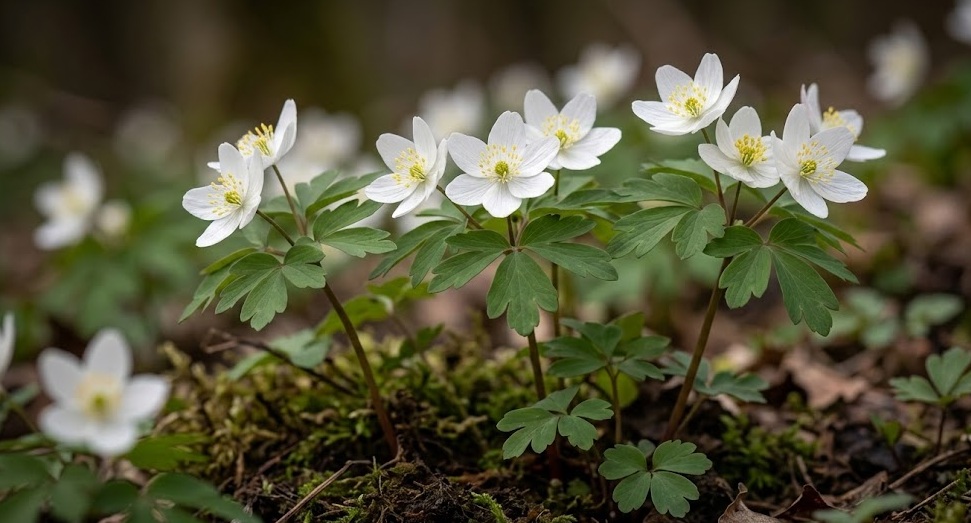

Preparing your woodland garden for the cold winter months is a vital part of ensuring a successful and vibrant display in the following spring. You must understand how the dormant rhizomes interact with the frozen soil and what steps you can take to provide extra protection. While these plants are naturally hardy, extreme weather events or unusual winter patterns can pose a risk to their survival. A few simple autumn tasks will give your plants the best possible chance of emerging strong and healthy when the warmth returns.
Preparing for dormancy
The process of overwintering begins long before the first frost arrives in your garden. You will notice the foliage naturally yellowing and dying back as the days get shorter and the temperatures begin to drop. This is the plant’s way of moving its energy and nutrients down into the underground storage organs for the winter. You should allow this process to happen naturally and avoid cutting back the green leaves too early in the season.
Once the foliage has completely withered, you can carefully remove the dead stems to tidy up the garden bed. This task also helps remove any potential overwintering sites for pests or fungal spores that might cause problems in the spring. You should be careful not to disturb the soil surface where the dormant buds are located just beneath the leaf litter. A clean and well-ordered site is much easier to manage throughout the long winter months.
It is a good idea to mark the exact location of your plants with small stakes or labels before they disappear completely from view. This prevents you from accidentally digging into them or stepping on the sensitive root zones during winter maintenance. You will also find these markers very helpful when you are looking for the first signs of growth in the early spring. Organization in the garden pays off during the transition between the seasons.
Check the soil moisture one last time before the ground freezes solid for the winter. If the autumn has been unusually dry, a deep soaking will help the roots stay hydrated through the cold and windy months. Moist soil also holds heat better than dry soil, providing a slightly more stable environment for the dormant rhizomes. This final bit of hydration is a small but important step in a professional overwintering routine.
More articles on this topic
Mulching for winter protection
Applying a fresh layer of mulch is perhaps the most effective way to insulate your woodland plants against the harsh winter cold. You should use a natural material that mimics the forest floor, such as shredded leaves, straw, or evergreen boughs. A layer about two to three inches thick provides an excellent thermal blanket that reduces the depth of frost in the soil. This protection is especially important in regions where the snow cover is inconsistent or absent.
The mulch layer also helps prevent “frost heaving,” which occurs when the ground repeatedly freezes and thaws, pushing plants out of the soil. This can expose the delicate roots and rhizomes to the freezing air, leading to desiccation and death. By keeping the soil temperature more consistent, the mulch prevents these dramatic shifts and keeps the plants securely anchored. It is a simple physical solution to a common and dangerous winter problem.
As the mulch slowly breaks down over the winter, it also continues to improve the soil structure and add organic matter. This means that your winter protection is also serving as a slow-release fertilizer for the coming growing season. You are essentially building a healthy and nutrient-rich environment while also keeping your plants safe from the cold. Nature’s way of protecting the forest floor is always the best model to follow in your own garden.
You should avoid using heavy or matted materials that might trap too much moisture or prevent air from reaching the soil. Wood chips can be used, but shredded leaves are often a better choice for delicate woodland species as they are lighter and more natural. Ensure the mulch is spread evenly across the entire planting area to provide comprehensive protection for the whole colony. This uniform layer ensures that no part of the root system is left vulnerable to the elements.
More articles on this topic
Managing extreme winter weather
In areas with very severe winters, you may need to take additional steps to protect your most sensitive or newly planted specimens. You can use garden fabric or burlap covers to provide an extra layer of wind protection on particularly bitter days. These covers should be removed as soon as the weather moderates to prevent any buildup of heat or moisture beneath the fabric. Being prepared for the worst weather allows you to act quickly when a cold snap is predicted.
Heavy snow is actually a gardener’s best friend during the winter, as it is one of the best natural insulators for the ground. You should leave the snow where it falls and avoid piling it too high on your planting beds, which could cause compaction. If a heavy crust of ice forms on top of the snow, it is usually best to leave it undisturbed unless it is physically damaging the plants. Understanding the role of snow in the ecosystem helps you appreciate even the coldest winter days.
Winter winds can be just as damaging as the cold because they cause moisture to evaporate from the soil and any exposed plant parts. If your woodland garden is in an exposed location, consider installing a temporary windbreak made of snow fencing or evergreen branches. This microclimate adjustment can make a significant difference in the survival rate of your plants during a long and breezy winter. Protecting the soil from desiccation is a key part of a professional overwintering strategy.
If you have plants in containers, they will need significantly more protection than those in the ground because their roots are more exposed. You should move the pots to a sheltered location, such as a cold frame or an unheated garage, during the coldest months. Wrapping the containers in bubble wrap or burlap can also help provide some much-needed insulation for the root balls. Container gardening requires a more active approach to overwintering to compensate for the lack of soil mass.
Transitioning into spring
As the days begin to lengthen and the first hints of warmth return, you should start monitoring your garden for signs of life. You can gradually thin out the heavy winter mulch as the soil begins to thaw and the plants prepare to emerge. It is important to do this slowly to avoid exposing the tender new shoots to sudden late-season frosts. Your goal is to allow the soil to warm up while still providing some protection for the emerging growth.
Check the markers you placed in the autumn to ensure you know exactly where to look for the first green tips. You might need to gently brush away some of the leaf litter to see if the buds are starting to swell beneath the surface. This period of anticipation is one of the most exciting times for any gardener who loves spring ephemerals. Seeing the first signs of success after a long winter is a wonderful reward for your careful preparation.
If you encounter a late spring frost after the plants have started to grow, you should be ready to provide temporary cover. A light sheet or some upturned pots can protect the delicate foliage from being damaged by a sudden freeze. These late-season events can be disappointing, but with a quick response, you can usually save the season’s flowers. Being a proactive gardener means staying alert even when the winter seems to be over.
Finally, take the time to assess how your overwintering strategy worked and make notes for the following year. Did some areas thrive better than others? Was the mulch thick enough to prevent frost heaving in your specific soil type? Learning from each season’s experiences is the only way to truly master the art of gardening with delicate forest species. Your commitment to their care ensures that these beautiful flowers will return to grace your garden every spring.