
Preparing these hardy shrubs for the winter season is a vital task that ensures they return with vigor and heavy blossoms in the early spring. You should understand that while the species is exceptionally cold-tolerant, its success depends on the professional care you provide before the first deep freeze. Your goal is to help the plant transition into dormancy smoothly so that it can rest and gather strength for the upcoming year. A well-managed winter routine is the secret to the long-term resilience and productivity of your garden specimens.
Hardiness is one of the most celebrated traits of this plant, but you should not take its survival for granted during particularly harsh winters. You must ensure that the shrub has been well-watered throughout the autumn so that its tissues are fully hydrated before the ground freezes solid. Dry plants are much more susceptible to winter desiccation, which occurs when cold winds pull moisture from the branches while the roots cannot replace it. Providing this foundational hydration is a professional step that protects the structural integrity of the wood and the future flower buds.
The timing of dormancy is a natural process that you can support by reducing certain interventions as the days grow shorter and the temperatures drop. You should stop all heavy fertilization by mid-summer to prevent the growth of soft, new shoots that would be easily damaged by the first frosts. Encouraging the plant to harden its wood properly is essential for its ability to withstand sub-zero temperatures without suffering significant dieback. A professional gardener works with the natural rhythm of the seasons to ensure the plant’s internal clock is functioning correctly.
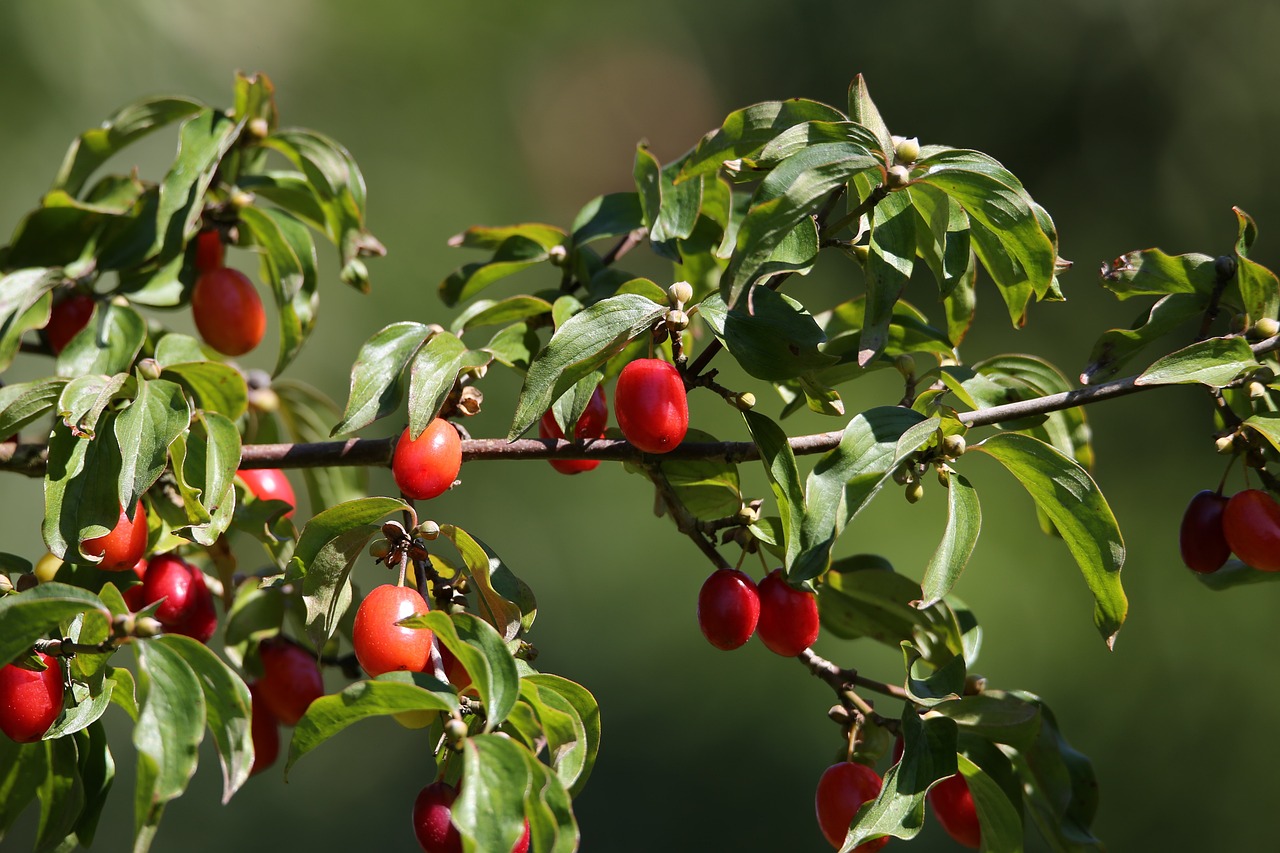
You must also consider the physical protection of the plant’s root zone, which is where the most sensitive living tissues are located during the winter. Maintaining a thick layer of organic mulch around the base of the shrub helps to insulate the soil and prevent the damaging effects of freeze-thaw cycles. These cycles can heave the ground and break the fine roots that are essential for the plant’s recovery in the spring. A stable soil environment is like a warm blanket that keeps the cornelian cherry safe throughout the darkest months of the year.
Protecting young saplings
Young shrubs and newly planted specimens require an extra level of professional attention during their first few winters in your garden. You should realize that their root systems are not yet deep enough to reach the stable temperatures found further down in the earth. Providing a temporary physical barrier, such as a burlap wrap or a small fence, can protect them from the drying effects of cold winter winds. This extra layer of security helps the young plant survive the most challenging time of its early life and emerge strong in the spring.
More articles on this topic
You must also guard against the damage that can be caused by hungry wildlife, such as deer or rabbits, which often find the bark of young shrubs particularly appealing when food is scarce. Using protective trunk guards or applying natural repellents can prevent these animals from girdling the stems and killing the young plant. Checking these protections regularly after heavy snowfall ensures they are still in place and functioning as intended to keep the shrub safe. A professional approach to winter care involves anticipating these common challenges and taking proactive steps to prevent them.
Mulching for young plants should be even more generous than for mature ones, covering a wider area to ensure the entire root zone is protected. You should use materials that will not pack down too tightly, as this can lead to moisture problems and rot around the base of the stem. A light, airy mulch like straw or shredded bark is ideal for providing insulation while still allowing the soil to breathe. This careful selection of materials shows your commitment to the specific needs of each plant in your collection.
If you are growing your cornelian cherry in a container, you must take special precautions to prevent the roots from freezing completely. You can move the pots to a sheltered location, such as an unheated garage or a protected corner of the patio, to provide a more stable environment. Wrapping the pots in insulating materials or burying them in the ground for the winter can also help protect the sensitive root systems from the most extreme cold. Professional container gardening requires a deep understanding of how to manage these unique environmental risks during the winter months.
Winter moisture management
Managing the moisture levels in the soil during the winter is a sophisticated task that requires you to monitor the weather even when the garden is dormant. You should look for periods of thawing when the ground is not frozen and check if the soil has become excessively dry due to lack of snow or rain. If the ground is open and the soil feels dry to the touch, providing a light watering can prevent the roots from becoming dangerously dehydrated. This occasional attention ensures that the plant remains healthy and ready to burst into life as soon as the spring arrives.
More articles on this topic
You must be careful not to overwater during the winter, as waterlogged soil can lead to root rot and other oxygen-deprivation issues for the plant. The goal is to maintain a very low but consistent level of moisture that supports the plant’s minimal metabolic needs while it is resting. Professional observation of the soil and the local weather patterns allows you to make these precise adjustments with confidence. Your role is to act as a guardian of the plant’s internal balance through every phase of the winter season.
Heavy snow can be both a blessing and a burden for your shrubs, providing excellent insulation for the ground but also risking branch breakage. You should gently brush off heavy, wet snow from the branches of young or particularly delicate specimens to prevent them from snapping under the weight. Using a soft broom and working from the bottom up is the professional way to clear the snow without causing accidental damage to the dormant buds. This physical interaction with the plant helps you stay connected to its condition throughout the long winter months.
Ice storms are perhaps the most significant winter threat to the structural health of your cornelian cherry orchard or garden. You should avoid trying to break ice off the branches, as this almost always leads to more damage than the ice itself would cause. Instead, allow the ice to melt naturally and then assess the plant for any broken wood that needs to be cleaned up in the late winter. A patient and professional response to weather events is a sign of an experienced gardener who understands the limits of their intervention.
Spring recovery
As the days begin to lengthen and the first signs of spring appear, your focus shifts to helping the plant transition out of its winter dormancy. You should begin by removing any protective wraps or trunk guards as soon as the danger of extreme cold and heavy browsing has passed. This allows the plant to adjust to the increasing light levels and improves air circulation around the bark and the developing buds. A gradual unveiling is the best way to prevent the plant from being shocked by sudden environmental changes in the early spring.
You must also inspect the shrub for any winter damage, such as broken branches or signs of desiccation on the tips of the new growth. Pruning away these damaged parts in late winter or early spring encourages the plant to focus its energy on healthy new growth and flower production. This clean-up is a professional task that improves the appearance of the shrub and prevents pathogens from entering through dead wood. Your careful work in the late winter sets the stage for a spectacular display of golden blossoms.
Monitoring the soil as it thaws allows you to identify any areas where drainage might be a problem during the spring rains. You should ensure that the mulch layer is still in good condition and pull it back slightly from the trunk to allow the soil to warm up more quickly. This simple adjustment can help trigger the plant’s internal mechanisms and encourage an earlier start to the growing season. A professional gardener is always looking for these small ways to support the natural processes of their plants.
Finally, providing the first light application of organic fertilizer as the buds begin to swell gives the plant the energy boost it needs for its intensive spring flowering. You will find that the cornelian cherry is one of the first plants to bloom, often appearing while the rest of the garden is still deep in sleep. This early burst of color and life is the reward for all your professional care and attention during the long winter months. Your dedication ensures that the cycle of growth and harvest continues year after year in your beautiful garden.