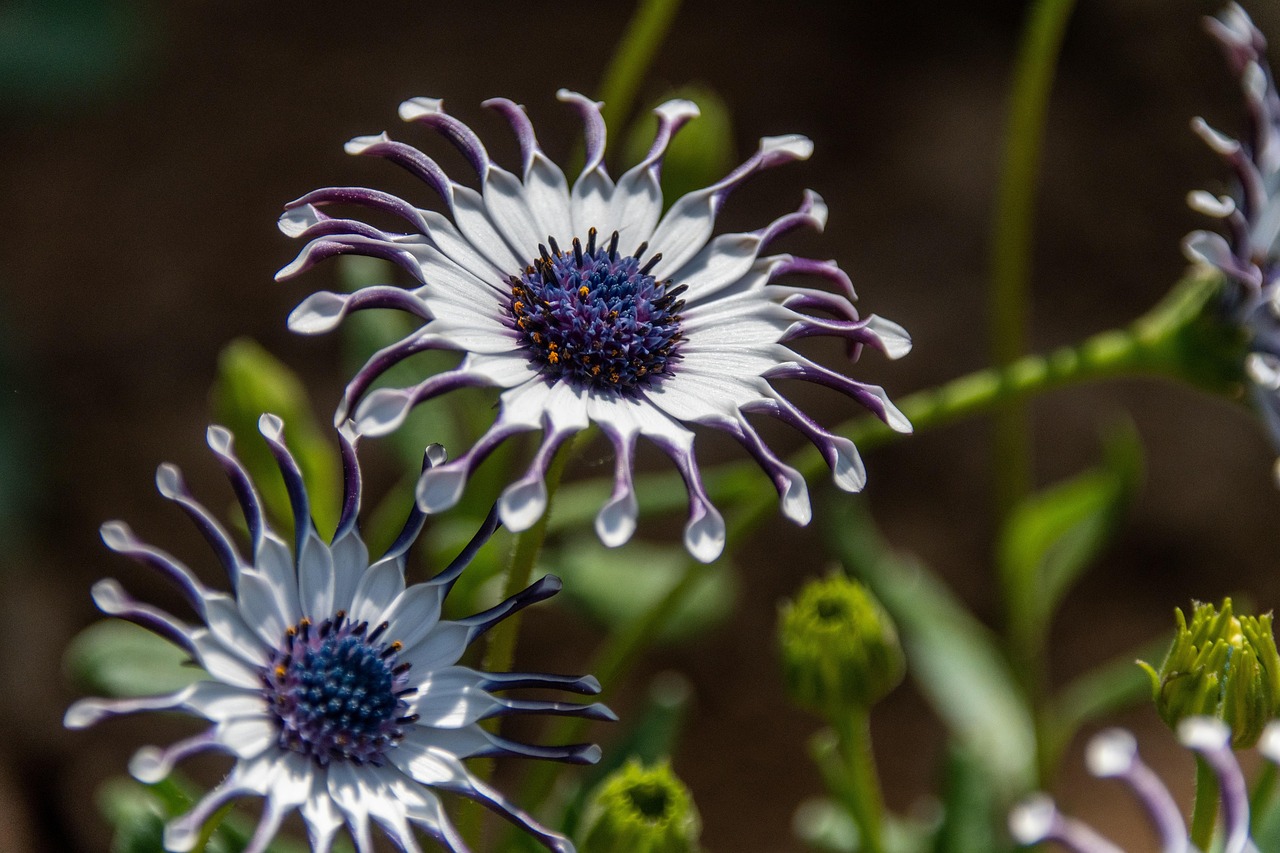

Preserving your cape daisies through the cold winter months is a challenge that requires careful planning and a bit of indoor space. While these plants are often treated as annuals in cooler climates, they are actually tender perennials that can survive for several years if given the right protection. The transition from the garden to a winter sanctuary is a delicate process that must be timed perfectly to avoid the first killing frost. By mastering these overwintering techniques, you can enjoy larger, more robust plants that are ready to bloom early in the following spring.
The most successful overwintering strategy begins with a clear understanding of the plant’s hardiness limits. Cape daisies can generally tolerate light frosts down to about zero degrees Celsius, but sustained freezing will kill the root system. You should start monitoring the local weather forecasts closely once the night temperatures begin to drop consistently below five degrees. It is always better to bring your plants inside a week too early than a single night too late.
Before moving your plants, you should perform a thorough health inspection to ensure you are not bringing pests or diseases into your winter storage area. Look closely for aphids, whiteflies, or signs of mildew on the foliage and stems of each specimen. If you find any issues, treat the plant appropriately or consider leaving it behind to protect the rest of your collection. Only the healthiest, most vigorous plants should be selected for the energy-intensive process of overwintering.
Preparation for the move also involves pruning the plants back by about a third to make them more manageable and reduce their water requirements. Use sharp, sterilized shears to remove any leggy growth, spent flowers, and yellowing leaves from the structure. This reduction in foliage helps the plant conserve its internal resources and focus on maintaining its core vitality during the dormant period. A compact, well-groomed plant is much easier to house in a garage, basement, or greenhouse during the winter.
Creating the ideal indoor environment
Once the plants are moved indoors, they require a specific set of conditions to remain healthy until the return of spring. The ideal storage location is a cool, bright spot where the temperatures stay between five and ten degrees Celsius. A frost-free garage with a window, a cool sunroom, or a specialized plant cellar are all excellent options for this purpose. Maintaining these cool temperatures is vital because it encourages the plant to enter a semi-dormant state of rest.
More articles on this topic
Light remains a critical factor even during the winter months, although the plant’s requirements are much lower than during the active growing season. If your storage area does not have a natural window, you may need to provide some supplemental light for a few hours each day. Without enough light, the stems will become weak and “etiolated” as they stretch out in search of a source of energy. Aim for a bright, indirect light that mimics the low-intensity sun of a typical winter day.
Air circulation is just as important indoors as it is in the garden to prevent the buildup of stagnant humidity. Fungal diseases like gray mold can thrive in the still, damp air of a basement or garage if the plants are crowded too closely together. You can use a small fan to keep the air moving gently around your collection for a few hours each day. This simple step helps to keep the foliage dry and significantly reduces the risk of losing your plants to winter rot.
The choice of container for overwintering will depend on whether your daisies were originally in the ground or in pots. For garden-grown specimens, dig them up carefully, keeping as much of the root ball intact as possible, and place them into well-draining pots. Use a fresh, lightweight potting mix that provides plenty of aeration for the roots during their period of restricted growth. Ensure that all containers have excellent drainage to prevent any water from pooling at the bottom of the pot.
Care and maintenance during dormancy
The most common mistake made during the overwintering process is over-watering the plants while they are in their dormant phase. Because the daisies are not actively growing or flowering, their metabolism is significantly slower and they require very little moisture. You should only water when the soil feels dry several centimeters down, and even then, use only a small amount of water. Over-saturated soil in a cool environment is the perfect recipe for root rot and the death of the plant.
More articles on this topic
Fertilization should be completely suspended from late autumn until the first signs of new growth appear in the early spring. Providing nutrients during dormancy can force the plant into unnatural growth that is weak and highly susceptible to pests. The goal of the winter months is preservation and rest, not expansion or floral production. Allow the plant to follow its natural biological clock and save your fertilizers for the vigorous growth of the coming year.
You should still perform regular inspections of your overwintering plants to catch any emerging issues before they become serious. Pests like spider mites can sometimes thrive in the dry air of an indoor environment, even during the coldest months of winter. If you notice any fine webbing or leaf stippling, treat the affected plants with a gentle horticultural oil or soap. Removing any fallen or decaying leaves from the pots will also help keep the area clean and reduce the risk of disease.
As the days begin to lengthen in late February or early March, you may notice the first signs of small, green buds appearing on the stems. This is a signal that the plant is starting to wake up and will soon require a bit more attention and care. You can gradually increase the amount of water you provide and move the plants to a slightly warmer, brighter location. This slow transition prepares the daisies for the final stage of their overwintering journey.
Re-introduction to the garden
The process of moving your plants back outside in the spring is known as “hardening off” and is critical for their survival. After months in a stable indoor environment, the plants will be very sensitive to the intense sunlight, wind, and fluctuating temperatures of the outdoors. Start by placing them in a shaded, protected spot for just a couple of hours during the warmest part of the day. Slowly increase their outdoor time and exposure to direct sun over a period of two weeks.
Be prepared to bring the plants back inside or cover them with a frost blanket if a late spring cold snap is predicted. Even though the plants have survived the winter, their new, tender spring growth is particularly vulnerable to freezing. Once the night temperatures remain consistently above ten degrees Celsius, you can safely move them to their permanent summer positions. This gradual re-introduction ensures that the plants remain stress-free and ready to begin their new blooming cycle.
When the plants are finally back in their garden spots, you can provide a fresh application of compost or a balanced fertilizer to support their growth. You may also want to perform a light “tidy-up” pruning to remove any stems that may have died back or become damaged during the winter. You will often find that overwintered daisies have a much larger and more impressive root system than new nursery starts. This advantage allows them to produce a spectacular display of flowers much earlier in the season.
Overwintering is a rewarding practice that connects you more deeply with the lifecycle of your garden plants. It allows you to preserve specific varieties that you have grown to love and saves you the cost of purchasing new plants each year. While it requires some effort and space, the sight of a large, healthy daisy coming back into bloom is a great source of pride for any gardener. Your dedication to their winter care will be repaid with a garden full of history and vibrant color.