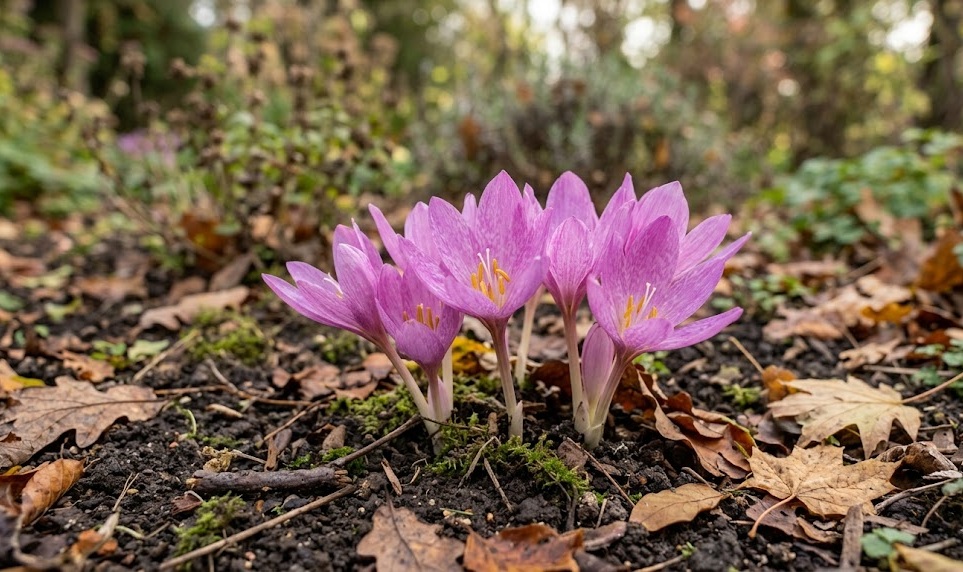

The anatolian saffron is a remarkably hardy plant that is well-adapted to surviving the cold winter months in a dormant state. Because it originates from high-altitude regions, it has evolved biological mechanisms to protect its vital structures from freezing temperatures. You must understand that while the plant is “asleep” during the winter, its environment still needs to be managed to ensure a successful spring emergence. A professional approach to overwintering involves preparing the soil and the plant for the challenges of cold, moisture, and potential temperature fluctuations.
In most temperate climates, the corms are perfectly safe staying in the ground throughout the winter without being lifted. You should only consider moving them if you live in an area with extreme sub-zero temperatures that penetrate very deeply into the soil. For the vast majority of gardeners, the focus of overwintering is on maintaining the stability of the underground environment. This means protecting the soil from excessive saturation and preventing the ground from repeated freezing and thawing cycles.
One of the unique aspects of this species is that it does not have any active foliage during the darkest and coldest part of the year. This lack of “surface presence” can sometimes lead gardeners to forget about the plants entirely, which can be a mistake. You should still keep an eye on the planting site to ensure that it doesn’t become a drainage point for winter runoff or a target for hungry rodents. Providing a little extra care during the winter ensures that the corms remain firm, healthy, and ready for the spring growing season.
If you are growing anatolian saffron in containers, the overwintering process requires a bit more attention than it does for plants in the ground. Pots are much more vulnerable to temperature changes and can freeze solid, which might damage the corms if they are not properly protected. You should have a plan for moving your containers to a sheltered spot or providing them with extra insulation during the coldest weeks. With the right professional techniques, you can successfully overwinter your saffron regardless of your garden’s layout.
Natural hardiness and climate zones
The anatolian saffron is generally rated for hardiness in zones that experience moderate to significant winter cold. It is a plant that actually benefits from a period of winter chill, as this helps to break the dormancy and trigger the next phase of growth. You should not be afraid of the cold itself, but rather the combination of cold and “wet feet” which can be much more damaging. In its native habitat, the winter ground is often covered in snow, which provides a natural layer of insulation against the coldest air.
More articles on this topic
Understanding your specific local microclimate is essential for deciding if your plants need extra winter protection. If your garden is in a low-lying area where cold air settles, or if it is exposed to harsh winter winds, you should take extra precautions. You must also consider the “frost line” in your area, which is the depth to which the ground typically freezes. As long as your corms are planted below this line, they are usually very safe from any direct frost damage to their tissues.
A professional tip for colder regions is to plant your saffron near the foundation of a house or a stone wall. These structures act as “thermal masses,” absorbing heat during the day and releasing it slowly at night, which keeps the soil slightly warmer. You can also use the topography of your garden to your advantage by planting on south-facing slopes that receive more winter sun. These small adjustments can make a significant difference in the survival rate of your plants during an unusually harsh winter.
If you live in a climate that is borderline for this species, you might consider it a “half-hardy” plant that requires a bit more active management. This doesn’t mean you can’t grow it, but rather that you should be prepared to intervene if the weather takes a turn for the worse. Keeping a close watch on the long-term weather forecast will allow you to react quickly and provide the necessary protection. By respecting the natural limits of the plant, you can push the boundaries of what is possible in your own garden.
Mulching and protective layers
Mulching is one of the most effective ways to provide an extra layer of security for your anatolian saffron during the winter. A good mulch acts like a blanket, keeping the soil temperature more consistent and preventing the “heaving” that occurs when the ground freezes and thaws. You should apply your winter mulch in late autumn, after the first light frost has occurred but before the ground has frozen solid. This timing helps to trap a bit of residual warmth in the soil while signaling to the plant that it’s time for its deep rest.
More articles on this topic
For the anatolian saffron, you should choose a mulch that is light and breathable, such as straw, pine needles, or shredded bark. You must avoid heavy, matted materials like wet leaves or thick layers of grass clippings, which can trap too much moisture and cause the corms to rot. A layer of about five to eight centimeters is usually sufficient to provide the protection needed without suffocating the soil. This professional-grade mulch will slowly break down over the winter, adding a bit of organic matter to the soil in the process.
In very cold regions, some gardeners use “evergreen boughs” laid over the planting site as an additional windbreak and snow-catcher. Snow is actually an excellent insulator, and anything you can do to keep a layer of snow on top of your saffron beds will help protect them. You should be careful to remove any heavy or non-breathable covers as soon as the weather begins to warm up in late winter. This prevents the plants from “waking up” too early and then being damaged by a late-season cold snap.
Mulching also serves the secondary purpose of suppressing early spring weeds that might compete with your saffron foliage. When the leaves finally emerge in the spring, they will have a clean, clear space to grow without having to fight through a thicket of winter-germinated weeds. You can simply push the mulch aside slightly when you see the first green tips appearing to give them an easy path to the light. This simple act of winter preparation pays off in a much tidier and healthier garden in the following months.
Managing wet winter conditions
Excessive winter moisture is arguably a greater threat to the anatolian saffron than the cold itself. When the ground remains saturated for long periods during the winter, the dormant corms cannot “breathe,” and the lack of oxygen leads to tissue breakdown. You must ensure that your winter drainage is just as good as your summer drainage to prevent these conditions from occurring. This is especially important in regions that experience frequent winter rains or rapid snowmelt that can lead to temporary flooding.
If you notice that water is pooling on your saffron beds during the winter, you should take immediate action to divert it. You can dig small temporary “run-off” channels to lead the water away from the sensitive corm areas. Some professional gardeners use raised beds or mounds specifically for their bulb collections to ensure that the “crown” of the planting remains above the water table. This structural approach is the most reliable way to deal with naturally wet or heavy garden soils.
The type of soil you have will dictate how well it manages winter moisture, with sandy and loamy soils being much safer than heavy clay. If you have clay soil, you should have incorporated grit or organic matter during the planting phase to improve its porosity. You can also apply a thin layer of fine gravel over the soil surface in the autumn to help water penetrate more evenly and prevent surface crusting. Managing winter moisture is a constant task of observation and small adjustments to the garden’s drainage patterns.
Avoid walking on or compacting the soil in your saffron beds during the winter, especially when the ground is wet. Compaction reduces the air space in the soil and makes it much more likely to stay waterlogged and cold. You should stay on designated paths and use long-handled tools if you need to perform any winter maintenance in the area. Keeping the soil light and open is a professional secret to ensuring that your anatolian saffron returns with vigor every single spring.
Overwintering container-grown plants
Growing anatolian saffron in pots and containers offers great flexibility, but it also creates unique challenges for overwintering. Because the volume of soil in a pot is small, it does not have the same insulating properties as the open ground. You should be aware that the temperature inside a pot can fluctuate wildly, which can be very stressful for the dormant corm. To protect your container plants, you should move them to a more sheltered location as soon as the first hard freeze is expected.
An unheated garage, a cold frame, or a sheltered porch are all excellent places to keep your pots during the coldest weeks of winter. You must ensure that the location is cool but not freezing, as you want the plant to remain dormant without its tissues being damaged. You should also check the moisture level of the soil in your pots once or twice during the winter. While they need very little water, you shouldn’t let the soil become “bone dry” for months at a time, which can desiccate the corm.
If you must leave your pots outdoors, you can insulate them by wrapping the containers in bubble wrap, burlap, or specialized “pot cozies.” Grouping several pots together also helps them retain a bit more heat and provides a collective windbreak. You can also “plunge” your pots into the ground or into a larger box filled with bark or sand to provide extra insulation for the roots. This professional technique effectively mimics the stability of being planted in the open ground.
As winter draws to a close, you should gradually reintroduce your container-grown saffron to more light and warmer temperatures. If they have been in a dark garage, move them back outside once the most severe frosts have passed but before the new growth starts to stretch. This transition period allows the plant to adjust naturally to the changing seasons without the shock of a sudden move. Overwintering in containers requires more effort, but the ability to display the flowers prominently in the autumn makes it well worth the trouble.