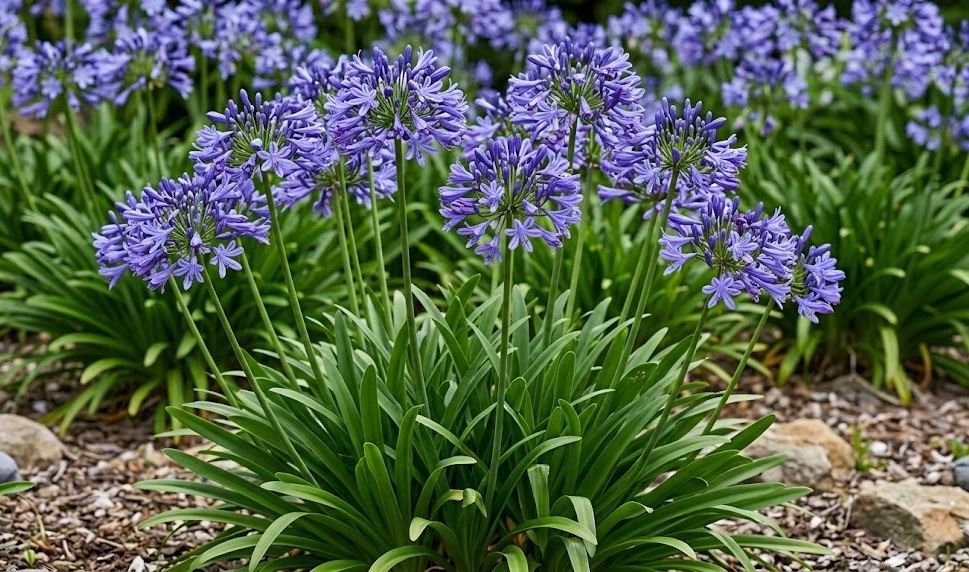

Preparing your garden for the arrival of winter is a critical phase in the annual cycle of professional plant care and management. The African lily, with its southern roots, requires specific attention to ensure that the cold and damp of the winter months do not compromise its vitality. While some varieties are surprisingly hardy, others are much more sensitive to the frost and need a sheltered environment to survive until spring. Navigating this seasonal transition with expertise will ensure that your plants return with even greater vigor when the warmth returns.
The first step in a successful overwintering strategy is to identify whether your specific lilies are evergreen or deciduous varieties. Deciduous types are generally more robust and will naturally lose their leaves as the temperature drops, entering a deep state of dormancy. Evergreen varieties, on the other hand, attempt to keep their foliage throughout the year and are therefore much more susceptible to frost damage. Knowing which type you are growing allows you to tailor your protection methods to the specific needs of the plant.
For those living in regions where the ground freezes deeply, some form of insulation is often necessary for plants left in the garden. Even the hardier deciduous types benefit from a thick layer of mulch applied over the crown once the foliage has died back. This layer of protection acts as a thermal buffer, keeping the soil temperature more stable and preventing the “freeze-thaw” cycle that can damage roots. Using materials like straw, bracken, or bark chips provides an effective and professional-looking solution for winter garden beds.
Potted specimens offer more flexibility but also present their own set of challenges during the colder months. Because their roots are above ground and less insulated, container-grown lilies are much more vulnerable to the cold than those in the earth. If you have the space, moving these pots into a frost-free greenhouse or a cool conservatory is the gold standard for overwintering. This allows the plant to rest in a controlled environment where you can easily monitor its condition throughout the winter.
Protective measures for garden specimens
If you are growing your lilies in the open ground and cannot move them, you must bring the protection to the plant. For evergreen varieties in particular, a fleece jacket or a specialized garden cloche can provide the extra few degrees of warmth needed during a cold snap. These covers should be breathable to prevent moisture from building up inside, which could otherwise lead to rot. It is professional practice to remove these covers during milder spells to allow for air circulation and light.
More articles on this topic
In areas with exceptionally wet winters, the primary threat is often not the cold itself, but the combination of cold and excessive moisture. The fleshy roots of the African lily can quickly succumb to rot if they are forced to sit in cold, sodden soil for months on end. You might consider creating a temporary “roof” using a piece of clear plastic or glass held up by stakes to deflect the heaviest rains away from the crown. This simple intervention can make the difference between a thriving plant and a lost one by the time spring arrives.
Late autumn is also the time to perform a final cleanup of the planting area to remove any hiding places for pests or pathogens. Clear away any fallen leaves from other trees or shrubs that might have settled among the lily’s foliage, as these can trap moisture and encourage mold. If you are working with deciduous types, wait until the leaves have completely turned yellow or brown before cutting them back to a few inches above the ground. This ensures that the plant has pulled back all its available nutrients into the roots for storage.
For those in truly arctic climates, the only sure way to save your lilies may be to lift them entirely and store them as bare-root specimens. This involves carefully digging up the clumps, shaking off the excess soil, and placing them in boxes filled with dry peat or sawdust. These boxes should then be kept in a dark, cool, but frost-free location like a cellar or an insulated garage. While this is more labor-intensive, it is a professional technique used to preserve rare or expensive varieties in extreme environments.
Indoor storage techniques for potted plants
Moving your containers indoors requires a bit of preparation to ensure you aren’t bringing unwanted pests along with the plants. Before shifting the pots, give the foliage a thorough inspection and a quick wash to remove any lingering insects or eggs. It is also a good idea to clean the outside of the pots to keep your indoor storage area tidy and professional. Once inside, the goal is to provide a stable environment that allows the plant to remain dormant without drying out completely.
More articles on this topic
The ideal temperature for indoor overwintering is between five and ten degrees Celsius, which is cool enough to maintain dormancy but warm enough to prevent frost damage. Avoid placing your plants near heaters or in rooms with central heating, as the dry air will stress the plants and may cause them to wake up too early. A bright spot is preferred for evergreen types, while deciduous varieties can be kept in a darker area since they have no leaves to support. This targeted approach respects the different biological needs of the two main types.
Watering during the winter should be minimal and only done when the soil feels very dry to the touch. The plant’s roots are not actively growing and cannot process large amounts of water, so a small amount every few weeks is usually sufficient. Over-watering in the winter is one of the most common mistakes and often leads to the death of the plant from root rot. Remember that the plant is resting, and its primary focus is on conservation rather than growth.
As the winter progresses, you may notice some of the outer leaves on evergreen varieties turning yellow or brown. This is a natural process and nothing to worry about as long as the center of the plant remains firm and green. You can gently pull away these dead leaves to keep the plant looking neat and to prevent any fungal issues from starting. A professional gardener remains observant throughout the winter, even when the garden seems to be sleeping.
Preparing for the spring awakening process
As the days begin to lengthen and the temperature starts to rise, your overwintered lilies will naturally begin to stir. For plants that have been kept indoors, this is the time to slowly increase the amount of water you provide to signal that spring is coming. You will soon see the first hints of new green growth emerging from the center of the clump or the tip of the root. This is an exciting moment that marks the success of your overwintering efforts and the start of a new season.
The transition back to the outdoor environment must be handled gradually to avoid shocking the plants with sudden changes in light and temperature. This process, known as “hardening off,” involves moving the pots outside for a few hours each day and bringing them back in at night. Over the course of a week or two, you can gradually increase their time outdoors until they are fully acclimated to the new conditions. This professional patience is the final step in ensuring your lilies thrive after their winter rest.
For plants that spent the winter in the ground, the first task of spring is to carefully remove the protective mulch or covers. Do this on a mild day when there is no immediate threat of a hard frost, but keep the materials nearby just in case of a late cold snap. You should also take this opportunity to clear away any remaining dead foliage and check the soil for any signs of heaving or root exposure. A fresh application of a balanced fertilizer will provide the nutrients needed for a strong start to the growing season.
Finally, take a moment to assess how your different varieties and protection methods performed over the winter. Every garden has its own unique microclimate, and what works for one person may not work for another. Keeping notes on your successes and failures will help you refine your professional overwintering strategy for the following year. Successful gardening is a continuous process of learning and adapting to the ever-changing rhythms of the natural world.