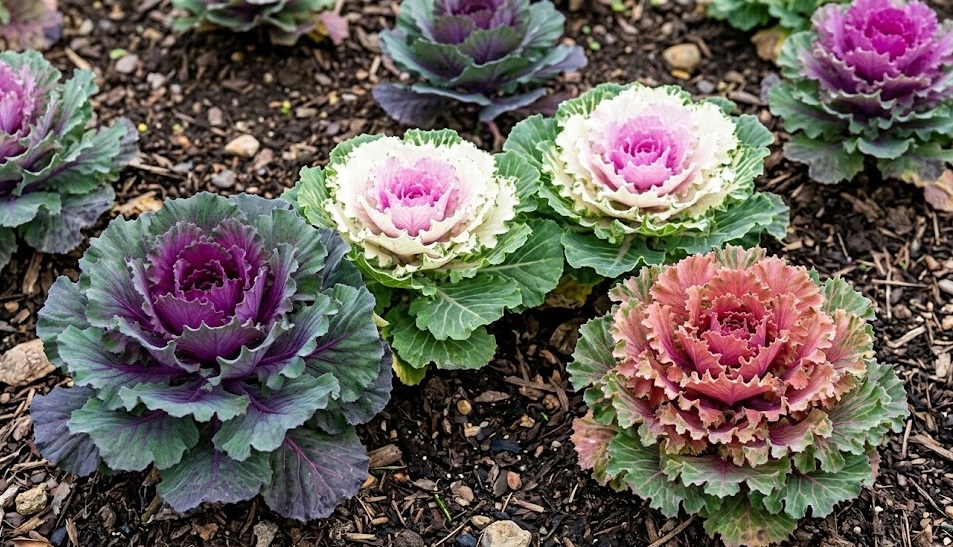

While ornamental cabbage is naturally cold-hardy, successfully keeping it vibrant throughout the deepest parts of winter requires specific strategies. These plants are built to withstand frost, but the combination of extreme cold, drying winds, and fluctuating temperatures can eventually take a toll. Professional overwintering involves managing the plant’s environment to minimize physical damage while preserving its brilliant color. This guide covers the essential steps for maintaining your decorative display until the first signs of spring appear.
Understanding cold hardiness and limits
Ornamental cabbage is a biennial plant that is treated as a cool-season annual in most landscape designs. It is remarkably resilient, often maintaining its structural integrity and color even when covered in a layer of snow. The pigments that provide the purple and white hues also act as a form of biological protection against freezing temperatures. However, there is a limit to this endurance, typically around minus fifteen degrees Celsius for most modern cultivars.
The duration of the cold is often more significant than the absolute minimum temperature reached during the night. A short cold snap followed by a gradual warming is much easier for the plant to handle than a prolonged freeze that lasts for weeks. During long periods of frozen soil, the plant may suffer from physiological drought because it cannot take up water. You should monitor the condition of the leaves; a slight limpness is normal, but severe shriveling may indicate a problem.
Wind chill is another factor that can accelerate the decline of your plants during the winter months. Cold, dry winds strip moisture from the broad leaves faster than the roots can replace it, especially if the ground is frozen. Positioning your cabbage in a location that is somewhat sheltered from the prevailing winter winds can significantly extend its lifespan. A simple windbreak or the proximity of larger evergreen shrubs can provide the necessary protection.
The cycle of freezing and thawing is perhaps the most stressful environmental event for any overwintering plant. When the water inside the plant cells freezes and expands rapidly, it can cause the cell walls to rupture. If this happens repeatedly over a short period, the foliage will begin to turn brown and mushy at the edges. Professional gardeners often use mulch or temporary covers to moderate these temperature swings and keep the plant’s environment more stable.
More articles on this topic
Protective measures for extreme weather
When the forecast calls for temperatures that exceed the plant’s natural limits, taking proactive steps can save your display. Using a lightweight horticultural fleece is an excellent way to provide a few degrees of extra warmth without trapping moisture. The fabric should be draped loosely over the plants and secured at the edges to prevent it from blowing away. Remove the cover during the day if the temperature rises above freezing to allow for light and air circulation.
Mulching is a critical part of overwintering because it protects the root system from the “heaving” caused by freezing soil. A thick layer of straw, wood chips, or even fallen evergreen needles can insulate the ground and keep the temperature more consistent. This prevents the delicate feeder roots from being snapped as the soil expands and contracts. Ensure the mulch is a few centimeters away from the main stem to prevent any moisture-related rot.
In areas with heavy snowfall, the weight of the snow can sometimes flatten or break the large leaves of the cabbage. While a light dusting of snow acts as a wonderful insulator, you should gently brush off heavy, wet accumulations. Use a soft broom or your hands to clear the center of the rosette, being careful not to damage the frozen tissue. A clean plant is less likely to suffer from structural damage or localized rot as the snow melts.
For plants located in particularly exposed areas, creating a temporary “tent” using stakes and burlap can be very effective. This provides a physical barrier against both the wind and the weight of falling ice or snow. Unlike plastic, burlap allows the plant to breathe and prevents the buildup of heat on a sunny winter day. This professional technique is often seen in high-end public gardens to ensure the longevity of their seasonal displays.
More articles on this topic
Container wintering strategies
Plants grown in containers are much more vulnerable to the cold than those planted in the ground. The limited volume of soil in a pot can freeze solid very quickly, exposing the entire root ball to extreme temperatures. To protect them, you can wrap the pots in bubble wrap, burlap, or specialized insulated sleeves. This adds a layer of protection that mimics the natural insulation provided by the earth in a garden bed.
Grouping your containers together in a sheltered spot can also create a warmer microclimate for the plants. Placing them against a south-facing wall can take advantage of the heat absorbed by the structure during the day. You might also consider moving smaller pots into an unheated garage or a cold frame during the worst of the winter weather. Just remember that plants in sheltered areas still need to be checked for moisture occasionally.
Proper drainage is even more important in the winter, as standing water in a pot can freeze and expand, potentially cracking the container. Ensure that your pots are “raised” off the ground using pot feet or small stones to allow water to escape freely. This prevents the base of the pot from becoming fused to the patio or ground by ice. A well-drained pot is also less likely to suffer from the root rot that can occur during the wet winter months.
If you are using decorative ceramic or terra cotta pots, be aware that many are not frost-proof and can shatter in freezing weather. It is often safer to plant your ornamental cabbage in “nursery liners” which are then placed inside the decorative containers. This allows you to easily move the plants to a more protected area if a severe freeze is predicted. This two-pot system is a practical and professional way to manage a winter container garden.
Late winter care and rejuvenation
As the winter begins to wane, the days get longer and the plants may start to show signs of new activity. You might notice the center of the cabbage beginning to “stretch” or elongate as it prepares to produce a flower stalk. This process, known as bolting, is a natural part of the plant’s life cycle but signals the end of its decorative phase. You can prolong the look of the plant by continuing to remove any damaged or yellowing outer leaves.
Avoid the temptation to fertilize your ornamental cabbage during the late winter months. Adding nutrients at this stage will only accelerate the bolting process and lead to a less attractive shape. The plant should be allowed to finish its cycle naturally using the reserves it has stored in its thick stem and leaves. Focus your efforts on maintaining consistent soil moisture as the temperatures start to fluctuate more widely.
If the plants have survived the winter in good condition, they can provide a beautiful backdrop for early spring flowers like pansies or primroses. You can tuck these smaller plants around the base of the cabbage to refresh the look of your garden beds. This layering technique is a professional way to transition your landscape from winter to spring without a period of “bare” soil. It keeps the visual interest high while you wait for the rest of the garden to wake up.
Finally, once the cabbage has completely bolted and lost its aesthetic appeal, it should be removed and composted. Leaving decaying plants in the garden can attract pests and provide a starting point for diseases that might affect your spring crops. Use a sharp spade to lift the entire root system and clear the area for your next seasonal display. A clean start in the spring is the final step in a successful professional overwintering program.