
Preparing the rhizomes for the dormant phase
As the temperatures begin to drop in the autumn, your lily of the valley will naturally start its transition into dormancy. This period of rest is essential for the plant to recover and prepare for the next spectacular blooming season. You should allow the leaves to turn completely yellow or brown before you consider performing any maintenance on the beds. These fading leaves are still sending vital energy down into the underground rhizomes for winter storage.
Once the foliage has fully died back, you can carefully trim the dead stems down to the ground level. This cleanup helps to prevent the buildup of mold and provides a neater appearance for the garden during the winter. You should use a pair of sharp, clean garden shears to make clean cuts without pulling on the roots. Removing the old material also eliminates potential hiding spots for pests that might try to overwinter in your garden.
Cleaning the surrounding area of any fallen debris or weeds is another important step in the preparation process. You want the soil surface to be clear so that you can apply protective layers more effectively and evenly. This simple task also makes it much easier to spot the first signs of new growth when the spring finally arrives. A tidy garden bed in the fall sets the stage for a healthy and successful growing season.
You should also take this time to inspect the soil and ensure that it is not overly compacted or dry. If the autumn has been particularly devoid of rain, a final deep watering can be very beneficial for the rhizomes. You want the roots to have a good supply of moisture as they enter the long months of freezing temperatures. Proper preparation in the fall is the secret to a vigorous and healthy garden in the spring.
Applying protective mulch for insulation
Insulating the soil is one of the most effective ways to protect the dormant rhizomes from the dangers of deep frost. A thick layer of organic mulch acts like a blanket, keeping the soil temperature more stable throughout the winter. You can use shredded leaves, pine needles, or high-quality bark mulch to achieve the best results in your garden. This layer should be about two to three inches thick for maximum effectiveness and protection.
More articles on this topic
Mulching also helps to prevent the phenomenon known as frost heaving, which can push shallow roots out of the ground. When the soil freezes and thaws repeatedly, it can expand and contract, potentially damaging the delicate plant tissues. A consistent layer of mulch minimizes these temperature fluctuations and keeps the rhizomes safely tucked away beneath the surface. This is particularly important in regions with erratic winter weather and frequent temperature shifts.
You should apply the winter mulch only after the ground has started to cool down but before the first hard freeze. If you apply it too early, you might trap heat in the soil and delay the plant’s necessary entry into dormancy. The goal is to keep the cold in once it arrives, rather than keeping the soil warm for too long into the fall. Timing your mulch application correctly is a key skill for professional overwintering and garden care.
In the spring, you will need to remember to pull back some of the mulch to allow the new pips to emerge. Leaving the layer too thick can make it difficult for the delicate shoots to break through the surface of the soil. You can leave a thinner layer behind to continue suppressing weeds and retaining moisture during the early growing months. Mulch is a versatile tool that provides benefits to your garden all year round.
Managing moisture during the cold months
Even though the plants are dormant, the rhizomes still need a certain amount of moisture to survive the winter. In many regions, the natural snowfall and rain provide more than enough hydration for the dormant roots. However, if you experience a very dry winter with little to no precipitation, you should monitor the soil carefully. Desiccation is a common cause of plant death during the winter, even for hardy perennials.
More articles on this topic
If the ground is not frozen and the soil feels bone dry, you can provide a light watering during a warm spell. You do not want to saturate the soil, as this can lead to ice formation and root damage if the temperature drops. A small amount of moisture is usually all that is needed to keep the plant tissues from drying out completely. This occasional check-up can make a big difference in the survival rate of your garden colony.
In areas with heavy snow cover, the snow itself acts as an excellent insulator and a source of slow-release moisture. You should avoid piling extra snow from walkways onto your flower beds, as the weight can compact the soil. Natural snow accumulation is beneficial, but artificial piles can be too heavy and might contain salt from de-icing products. Keeping the snow over the garden beds clean and undisturbed is the best approach.
When the spring thaw begins, you should ensure that the melting snow can drain away from the beds effectively. Standing water during a thaw can be very damaging to the rhizomes and may lead to rot or fungal issues. If you notice large puddles forming over your plants, you may need to create small drainage channels to lead the water away. Proper moisture management in the winter is just as important as it is in the summer.
Planning for the spring awakening
Winter is the perfect time for a professional gardener to reflect on the past season and plan for the future. You can use the quiet months to research new techniques or order additional pips for expanding your garden. Reviewing your garden journal can help you identify what worked well and what might need to be adjusted. This mental preparation ensures that you are ready to hit the ground running when the weather warms up.
You should keep a close eye on the weather forecasts as the end of winter approaches in your specific region. The first signs of spring can often trigger the plants to begin their growth earlier than you might expect. Being ready to remove the winter protection at the right moment is essential for a successful start to the season. You want to give the plants every advantage as they begin their most active and beautiful phase.
Preparing your tools and supplies in advance will save you a lot of time and frustration during the busy spring months. You should clean and sharpen your shears, check your irrigation system, and stock up on organic mulch and fertilizer. Having everything ready to go allows you to focus on the plants themselves when they finally emerge from the ground. Professional gardening is all about being one step ahead of the natural cycles of the garden.
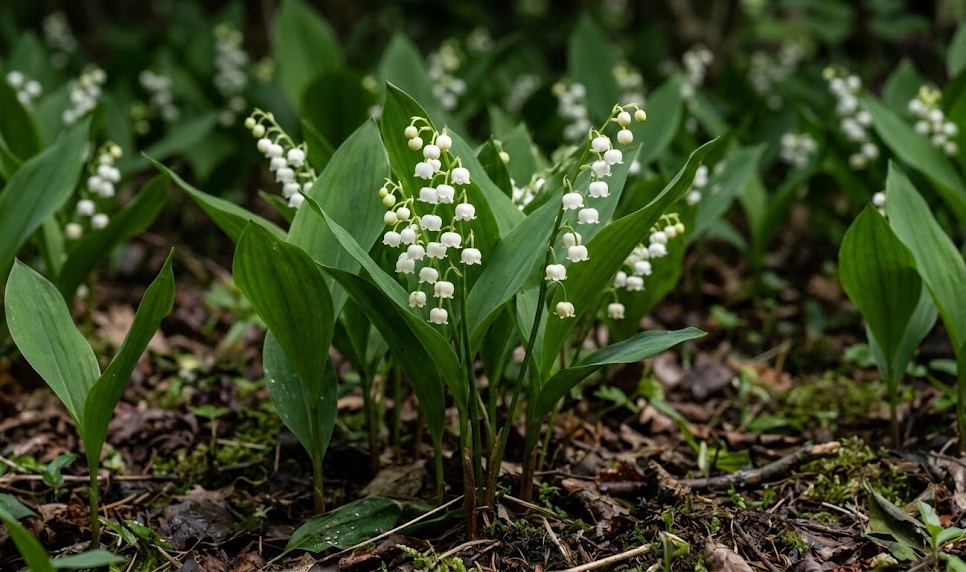
The anticipation of the first fragrant blooms is one of the greatest joys of growing lily of the valley in your landscape. Your careful work during the overwintering process ensures that this reward will be as spectacular as possible every year. As the days grow longer and the soil begins to warm, the cycle of life starts anew in your woodland garden. Your dedication to the craft of gardening will be evident in every delicate white bell that appears.