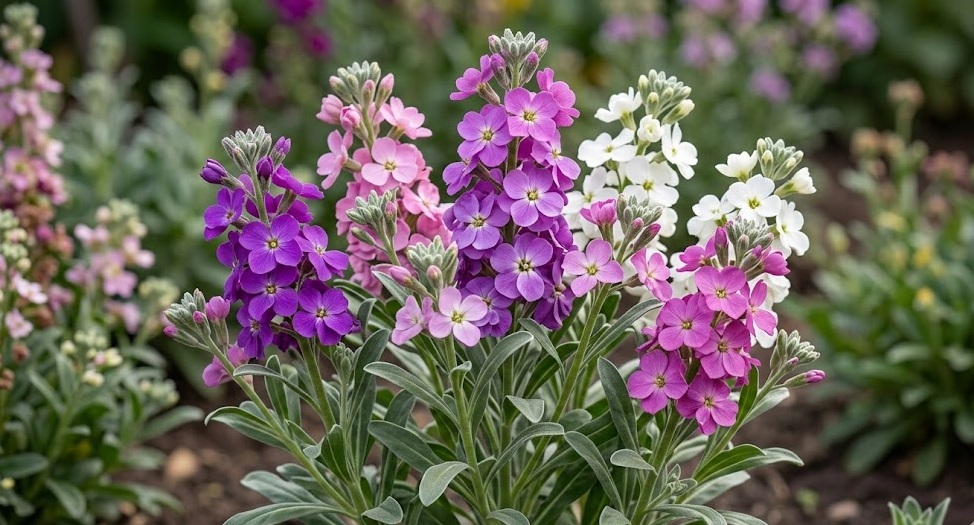

Ensuring the survival of hoary stock through the cold months is a specialized task that depends heavily on your local climate and the specific variety you are growing. While some types are treated as annuals, many can be successfully overwintered with the right professional techniques. This process involves managing temperature, moisture, and metabolic activity to keep the plant in a healthy state of dormancy. By following these expert guidelines, you can enjoy a head start on the next growing season and preserve your most prized specimens.
Assessing cold hardiness and environmental risk
The first step in a professional overwintering strategy is understanding the specific cold tolerance of your plants. Hoary stock is generally considered a “cool-season” plant, meaning it can handle light frosts but may struggle when the ground freezes solid. You should check the hardiness rating of your particular variety and compare it to the historical low temperatures in your region. Knowing the limits of your plants allows you to decide whether they can stay in the ground or need to be moved.
Microclimates within your garden can play a significant role in how well your plants withstand the winter chill. Areas near the foundation of a heated building or those protected by evergreen hedges are often several degrees warmer than the rest of the garden. You should take note of these “safe zones” when planning your autumn transitions. Strategic placement can be the difference between a plant that survives and one that perishes during a cold snap.
Weather patterns in late autumn dictate when you should begin your active protection measures. A gradual decline in temperature helps the plant “harden off” by naturally slowing its metabolism and thickening its cell walls. However, a sudden, sharp frost before the plant is prepared can be fatal even to relatively hardy varieties. Monitoring the long-term forecast allows you to stay ahead of these unpredictable atmospheric shifts.
Soil moisture during the transition to winter is another critical factor that is often misunderstood. You should ensure that the plants are well-hydrated before the ground freezes, as dry plants are much more susceptible to cold damage. However, excessively wet soil in the winter can lead to root rot and other fungal issues. Finding the balance between adequate hydration and proper drainage is a hallmark of professional winter care.
More articles on this topic
Protecting outdoor plants with mulching and covers
For plants staying in the ground, a thick layer of organic mulch is the best defense against fluctuating soil temperatures. You should apply at least ten to fifteen centimeters of straw, shredded leaves, or bark around the base of the plant after the first light frost. This insulation helps to keep the ground at a more constant temperature, preventing the “heaving” that can push roots out of the soil. Mulching also preserves the moisture that the roots will need during occasional winter thaws.
Horticultural fleece and frost blankets offer a professional way to provide extra thermal protection during the coldest nights. These materials are designed to trap heat from the ground while still allowing the plant to breathe and receive some light. You should secure the covers firmly to the ground to prevent wind from blowing them away or chilling the plants from underneath. Remember to remove these covers during sunny winter days to prevent heat from building up too much inside.
Creating a “mini-greenhouse” effect using cloches or cold frames is an excellent strategy for high-value specimens. These structures provide a physical barrier against snow, ice, and desiccating winds, which are often more damaging than the cold itself. You must be diligent about ventilating these enclosures on warmer days to prevent humidity from reaching dangerous levels. A well-managed cold frame can keep hoary stock in a healthy, semi-dormant state all winter long.
In regions with very heavy snowfall, you may need to provide structural support to prevent the weight of the snow from snapping the stems. Using simple bamboo stakes or wire cages can help the plants maintain their integrity under the winter load. You should also gently brush off heavy snow accumulations from the foliage after a storm. Taking these extra physical precautions ensures that the plants emerge in the spring without structural damage.
More articles on this topic
Indoor overwintering for sensitive varieties
If your local winters are too harsh for outdoor survival, moving your hoary stock into a controlled indoor environment is the best option. You should lift the plants carefully in the late autumn, keeping as much of the root ball intact as possible. Place them in pots filled with a well-draining potting mix and trim back any soft, green growth to reduce moisture loss. This “triage” approach prepares the plant for a period of rest in a cooler, less demanding setting.
The ideal indoor location for overwintering is a cool, bright spot where the temperature stays between 5 and 10 degrees Celsius. An unheated sunroom, a cool greenhouse, or even a bright garage can serve as a perfect winter sanctuary. You want to keep the plant just warm enough to stay alive but cool enough to prevent it from trying to grow actively. This period of “chilling” is often beneficial for the plant’s future flowering potential.
Watering during the indoor winter phase must be handled with extreme caution. Because the plant’s metabolism is very slow, it requires only a fraction of the water it used during the summer months. You should allow the soil to dry out significantly between waterings and only provide enough moisture to keep the roots from desiccating completely. Overwatering in a cool, indoor environment is the most common cause of plant death during the winter.
Monitoring for pests is just as important indoors as it is in the garden. Spider mites and aphids can sometimes find their way into your overwintering space and thrive in the stagnant air. You should inspect your plants regularly and maintain good air circulation with a small fan if necessary. Keeping the plants clean and healthy during their indoor stay ensures they will be ready for a rapid comeback once spring arrives.
Spring revival and transition back to the garden
As the days begin to lengthen and the temperatures rise, your overwintered stock will show signs of renewed life. This is the signal to slowly increase the amount of water you provide and perhaps offer a very dilute liquid fertilizer. You should also prune away any dead or damaged tissue that occurred over the winter to make room for new growth. This “awakening” phase requires a gentle touch to avoid shocking the plant out of its dormancy.
The process of moving plants back outdoors is essentially the reverse of the autumn hardening-off process. You should gradually re-introduce the plants to direct sunlight and wind over a period of two weeks. Start with an hour or two in a sheltered spot and slowly increase their exposure as the weather stabilizes. This patience prevents the tender new growth from being scorched by the sun or damaged by a late-season breeze.
Once the danger of hard frost has passed, you can replant your stock back into their permanent garden home. You should prepare the soil with fresh compost and a light application of balanced fertilizer to support the coming season’s growth. Be careful not to plant them deeper than they were in their pots to avoid stem rot. Watering them in thoroughly settles the soil and signals to the plant that the growing season has truly begun.
Reflecting on your overwintering success and failures is a professional way to improve your skills for the next year. Keep notes on which varieties handled the cold best and which protection methods were most effective in your specific climate. Every winter is a learning experience that makes you a more resilient and capable gardener. With time and practice, overwintering becomes a rewarding part of the natural cycle of your horticultural life.