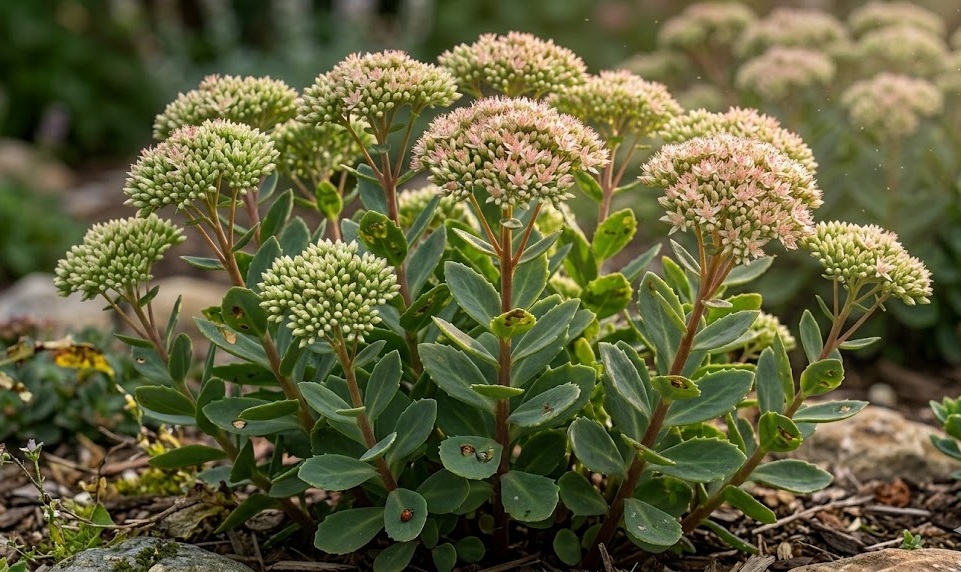

Preparing the great stonecrop for the winter months is a process of facilitating its natural transition into a state of dormancy. This species is remarkably cold-hardy, having evolved to survive in mountainous and temperate regions where frost and snow are regular seasonal occurrences. As a gardener, your role is not to “protect” the plant from the cold in a traditional sense, but rather to ensure its environment remains stable and dry. Proper overwintering techniques will safeguard the energy reserves stored in the rootstock, ensuring a vigorous return to growth once the spring thaw begins.
Natural dormancy and frost tolerance
The great stonecrop enters a period of deep dormancy as the daylight hours shorten and the temperatures begin to drop in late autumn. During this time, the plant systematically withdraws its moisture and nutrients from the aerial stems and concentrates them in the hardy rootstock beneath the soil. You will see the fleshy leaves lose their turgidity and the stems may become brittle and dry. This is a vital survival mechanism that prevents the plant’s cells from bursting when the water inside them freezes.
In terms of frost tolerance, this succulent is incredibly resilient and can often survive temperatures well below freezing without any additional cover. The thick, waxy cuticle on any remaining foliage acts as a natural insulator against the drying effects of cold winter winds. Unlike many other succulents that are native to tropical regions, the great stonecrop actually benefits from a period of cold, which helps regulate its internal clock. Without this “vernalization” period, the plant may not flower as successfully or grow as vigorously in the following season.
You should understand that snow cover can actually be a beneficial insulator for the great stonecrop during the coldest parts of the winter. A steady layer of snow protects the ground from rapid temperature fluctuations and keeps the soil temperature relatively constant. It also provides a slow, controlled source of moisture during the spring melt, which is much better for the roots than a sudden deluge of cold rain. In areas with regular snow, the plant is often perfectly happy being buried for several months at a time.
The real danger during winter is not the cold itself, but the combination of cold and wet conditions which can lead to crown rot. If the soil remains saturated while the plant is dormant, the roots cannot breathe and the tissues become susceptible to opportunistic pathogens. Your primary goal in overwintering should be to maintain the excellent drainage you established during the planting phase. A plant that is kept dry during the winter can survive much lower temperatures than one that is sitting in a cold, wet bog.
More articles on this topic
Preparing the plant for autumn
Preparation for winter begins in late summer by gradually reducing the amount of supplemental water you provide to the plant. This “hardening off” process encourages the stonecrop to stop producing new, tender growth and instead focus on strengthening its existing tissues. You want the stems to be firm and the leaves to be fully matured before the first hard frost arrives. Avoid any late-season fertilization, as this would trigger an unnatural burst of growth that is highly vulnerable to cold damage.
As the foliage begins to die back, you have a choice regarding how much of the dead material to remove before winter sets in. Many professional gardeners prefer to leave the dried stems and seed heads intact until spring, as they provide structural interest in the winter landscape. These skeletal remains also catch falling leaves and snow, providing a natural layer of insulation for the dormant buds at the soil surface. However, if you live in a very damp climate, you may want to remove the debris to prevent it from trapping too much moisture against the plant’s crown.
Check the area around the base of your stonecrops for any encroaching weeds or perennial grass that might compete with the plant come spring. Clearing the ground now ensures that the stonecrop has a clean start when it wakes up and prevents pests from finding a winter home in the weeds. If you use a stone mulch, ensure it is still providing a good layer of coverage and isn’t being buried by soil or organic debris. A tidy bed in the autumn leads to much fewer problems when the garden starts to grow again in a few months.
If you have newly planted or divided stonecrops that haven’t had a full season to establish, they may benefit from a bit more attention. For these younger plants, a light mulch of evergreen boughs or a very thin layer of dry straw can provide a little extra protection during their first winter. Be careful not to use heavy materials like matted leaves or thick wood chips, as these will hold too much moisture and cause the very rot you are trying to avoid. Once the plants are established, these extra measures are usually unnecessary.
More articles on this topic
Protective measures for extreme cold
In regions where the winter temperatures drop significantly lower than the plant’s natural hardiness zone, a few extra steps may be necessary. You can use specialized garden fabrics or “frost blankets” to cover the plants during the coldest nights of the year. These materials are designed to trap a small amount of heat from the earth while still allowing the plant to breathe and moisture to evaporate. Always remove these covers during the day when the sun is out to prevent the plants from overheating or becoming too humid.
Another effective way to protect the great stonecrop from extreme cold is to use the natural topography and structures in your garden. Planting them near a south-facing wall or a large stone can provide a “thermal mass” that absorbs heat during the day and releases it slowly at night. These microclimates can be several degrees warmer than the rest of the garden, which can make a huge difference during a polar vortex. Think about these winter conditions when you are initially designing your garden layout.
If you grow your great stonecrops in containers, you must take extra precautions as the roots are much more exposed to the cold than those in the ground. You can move the pots into an unheated garage, a shed, or a sheltered spot against the house for the duration of the winter. Alternatively, you can wrap the pots in burlap or bubble wrap to provide an extra layer of insulation for the root ball. Just remember that even in a container, the plant still needs to stay dry while it is dormant.
Monitoring the local weather forecast is the best way to stay ahead of any potential winter disasters. If a sudden, extreme cold snap is predicted after a period of warm weather, the plants may be more vulnerable than if the temperature had dropped gradually. In these cases, a temporary cover can save the plant from significant tissue damage or death. Being a proactive gardener means being ready to respond to the environment when nature throws a curveball.
Late winter observation and care
As winter begins to transition into early spring, your primary task is to watch for the first signs of life emerging from the soil. You will see tiny, cabbage-like rosettes of new leaves forming at the very base of the old, dead stems. This is the signal that the plant has successfully survived the winter and is ready to start a new growing cycle. At this point, you should carefully remove any protective covers or winter mulches to allow the sunlight and fresh air to reach the new growth.
If you left the old stems standing over the winter, now is the time to cut them back to just above the new rosettes. Use sharp, clean pruners and be careful not to nick the tender new leaves, as they are the foundation for the entire season’s growth. Removing the old debris not only makes the garden look tidier but also eliminates hiding spots for early-season pests like slugs. This simple task is the official start of your spring garden maintenance routine.
Check the soil around your stonecrops to see if any frost heaving has occurred, which can sometimes push the roots out of the ground. If you see exposed roots or if the plant feels loose in the soil, gently press it back down and add a little fresh soil or grit to cover the base. This ensures that the roots remain in contact with the earth and don’t dry out in the spring winds. A quick inspection now can prevent the plant from struggling later in the season.
Finally, resist the urge to water or fertilize too early, even if the weather seems warm and the plants are growing. The soil is usually still quite moist from the winter, and the plants have plenty of stored energy to get started on their own. Wait until the soil has truly dried out and the plants are several inches tall before you consider providing any supplemental hydration. By following the plant’s natural rhythm, you ensure that it remains a healthy and resilient part of your garden for another year.