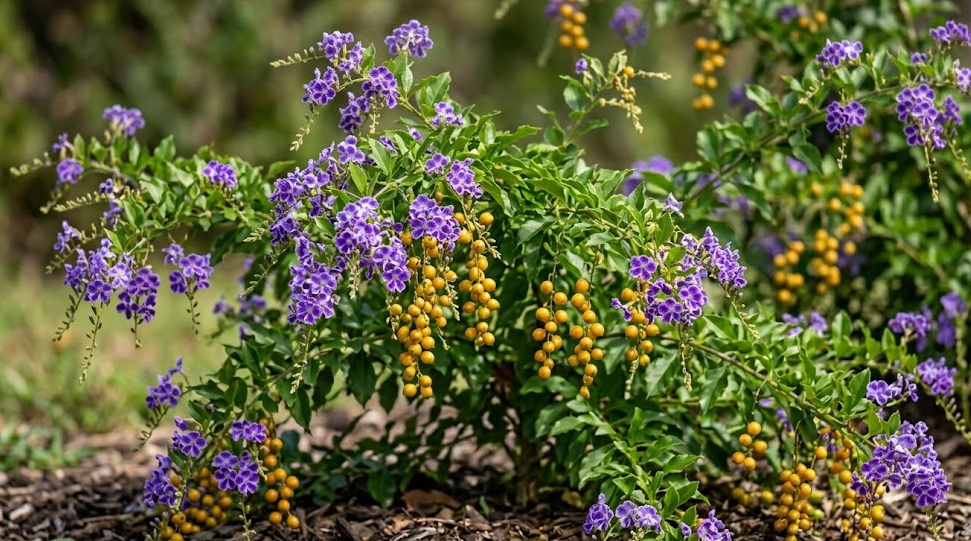

As the growing season comes to an end and the first hints of frost appear in the air, the survival of your golden dewdrop becomes a top priority. Because this plant is native to tropical and subtropical regions, it has very little natural tolerance for freezing temperatures. Successful overwintering is a process that requires early preparation and a careful transition from the outdoor garden to a sheltered environment. With a professional strategy, you can ensure that your beautiful shrub survives the cold and returns with even more vigor in the spring.
The goal of overwintering is to keep the plant in a state of healthy dormancy or slow growth without exposing it to extreme stress. You must find a location that is cool enough to prevent excessive growth but warm enough to avoid frost damage. Light and water levels must also be adjusted to account for the plant’s lower metabolic rate during the winter months. This delicate balance is what separates a successful overwintering project from a disappointing loss.
Preparation for winter begins long before the first freeze actually arrives in your area. You should start by hardening off the plant and gradually reducing its reliance on heavy feeding and frequent watering. This encourages the wood to ripen and prepares the plant for the period of rest that lies ahead. Taking these steps in late summer and early autumn will make the eventual move indoors much smoother for the plant.
Monitoring the weather forecasts becomes a daily habit for any gardener who is serious about protecting their tropical collection. You need to be ready to act quickly when a sudden cold snap is predicted, as even a single night of frost can be fatal. Having a plan in place and all the necessary materials ready will allow you to move your plants to safety with minimal fuss. Professional overwintering is about being proactive and prepared for whatever nature throws your way.
Preparing for colder temperatures
The first step in preparing for winter is to assess the overall health of your plant and make any necessary adjustments. You should prune away any weak or diseased growth to ensure the plant isn’t wasting energy on parts that won’t survive the cold. This also improves air circulation, which is just as important in the winter as it is in the summer. A clean and healthy plant has a much better chance of making it through the dormant period successfully.
More articles on this topic
Gradually reducing your watering and fertilizing schedule as the days get shorter is a key part of the hardening process. You want the plant to naturally slow down its growth in response to the changing environment. If you continue to push for new growth with heavy feeding, the plant will produce soft shoots that are very vulnerable to cold damage. Patience is required as you wait for the plant to enter its natural phase of rest.
Mulching the base of the plant can provide an extra layer of insulation for the roots if you live in a marginal climate where the ground doesn’t freeze deeply. A thick layer of straw or wood chips can hold onto the earth’s natural warmth and protect the sensitive root crown. While this might not be enough for a true tropical plant in a very cold zone, it can make a big difference for those in slightly warmer areas. Every little bit of extra protection helps when it comes to overwintering success.
If you have your plants in containers, now is the time to clean the pots and check for any stowaway pests that might try to move indoors with you. You don’t want to bring aphids or spider mites into your home or greenhouse where they can multiply without their natural predators. A gentle wash with a mild soap solution can help ensure that your plants are clean and ready for their winter home. Sanitation is a hallmark of an expert gardener’s winter preparation routine.
Moving your plants indoors safely
Choosing the right indoor location is critical for the survival of your golden dewdrop during the winter months. A bright, cool room like an unheated sunroom or a well-lit garage is often the ideal choice. You want to avoid placing the plant near heat vents or radiators, as the dry, hot air can quickly dehydrate the foliage. A consistent temperature between 50 and 60 degrees Fahrenheit is usually perfect for keeping the plant in a healthy state of rest.
More articles on this topic
The transition from the bright outdoor sun to the lower light levels indoors can be a shock to the plant’s system. To minimize this stress, try to move the plant into its winter location a few weeks before you actually need to close the windows. This allows it to gradually acclimate to the new environment while the air is still relatively fresh. A slow transition is always better than a sudden change in conditions.
Space can often be a challenge when bringing large shrubs indoors for the season. You might need to do some light pruning to make the plant fit comfortably in its new space. This is also a good time to check that the container is sitting on a tray to protect your floors from any accidental water spills. Organizing your indoor garden area will make the winter care tasks much easier and more enjoyable.
Airflow is just as important indoors as it is outdoors to prevent the buildup of stagnant air and the spread of pests. You might want to use a small fan to keep the air moving around your plants on a low setting. This mimics the natural breezes they are used to and helps to regulate the humidity levels in the room. Professional growers always prioritize environmental quality, even in a temporary winter shelter.
Caring for dormant specimens
During the winter, your watering routine should be significantly scaled back compared to the active growing season. You only need to provide enough water to prevent the soil from drying out completely and the roots from shrivelling. Checking the soil with your finger every week or two is usually sufficient for a dormant plant. Overwatering during the winter is one of the most common causes of plant loss, as cold, wet roots are very prone to rot.
Fertilizing should be stopped entirely during the winter months when the plant is not actively growing. The goal is to keep the plant in a state of rest, not to encourage new leaves or flowers. Adding nutrients now would only result in weak, spindly growth that is unattractive and susceptible to pests. You can start your feeding program again once the light levels increase and you see the first signs of spring growth.
Keep a close eye on your plants throughout the winter for any signs of trouble like yellowing leaves or the appearance of pests. Indoor environments can sometimes be breeding grounds for spider mites or scale, which thrive in the still, dry air. If you spot a problem, treat it immediately with a gentle organic solution to prevent it from spreading to your other plants. Vigilance is the price of a healthy indoor garden.
Expect some leaf drop as the plant adjusts to the lower light levels and different environment of your home. This is a natural reaction and is usually not a cause for alarm as long as the stems remain firm and green. The plant is simply shedding unnecessary foliage to reduce its energy requirements while it is in its dormant phase. As long as you provide basic care, it will bounce back quickly once the spring weather returns.
Transitioning back to the spring garden
As the days begin to lengthen and the threat of frost passes, it is time to start thinking about moving your plants back outside. This transition should be done just as carefully as the move indoors to avoid shocking the new, tender growth. Start by placing the plant in a shaded, protected spot for a few hours each day and gradually increase the exposure. This “hardening off” process allows the leaves to toughen up and prepare for the full intensity of the sun.
Spring is the perfect time for a thorough inspection and a bit of “refreshment” pruning for your golden dewdrop. You can remove any branches that died back during the winter and reshape the plant for the coming season. This is also the ideal time to repot the plant if it has outgrown its current container. Providing fresh soil and a bit of slow-release fertilizer will give it the best possible start for the new year.
Resume your regular watering schedule gradually as the plant begins to show more active growth. You should also start reintroducing your liquid feeding program to support the development of new leaves and flower buds. The plant will respond quickly to the increased light and warmth with a flush of vibrant green growth. It is a rewarding time to see all your winter hard work finally paying off in the garden.
Finally, take a moment to reflect on your overwintering success and any lessons you learned during the process. Every winter is a bit different, and you will become more skilled at predicting the needs of your plants with each passing year. Sharing your tips with other tropical plant lovers is a great way to grow the gardening community. Your expertise ensures that these beautiful plants can thrive even in climates where they wouldn’t normally survive.