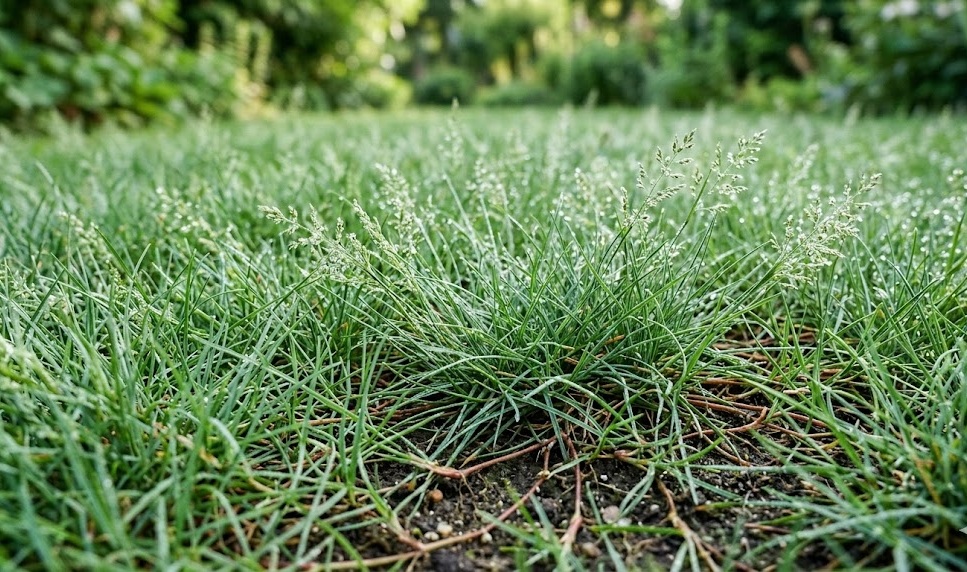

The transition into winter and the subsequent period of dormancy are critical times for creeping bentgrass. While this grass is naturally cold-tolerant, it remains vulnerable to several winter-specific stresses, including desiccation, ice encasement, and specialized fungal attacks. Preparing the turf for the cold months requires a strategic shift in maintenance focused on hardening the plant tissue and protecting the root system. A successful overwintering strategy ensures that the grass survives the harshest conditions and emerges in the spring with maximum vigor.
Hardening off and autumn preparation
The process of preparing for winter begins long before the first frost, as the plant naturally starts to shift its energy into storage. You should focus on building up the plant’s carbohydrate reserves by maintaining healthy leaf area and avoiding excessive nitrogen in the late autumn. Instead, you should increase the application of potassium, which strengthens cell walls and improves the plant’s ability to withstand freezing temperatures. This internal “hardening” is the first line of defense against the physical stresses of winter.
Adjusting your mowing practices in the autumn is another important step in the preparation process. You should gradually raise the mowing height slightly as the growth rate slows down, providing a bit more insulation for the crowns. However, you must avoid leaving the grass too long, as matted turf is more susceptible to snow mold infections. A clean, uniform height that allows for good air movement is the ideal balance for entering the dormant season.
Cleanliness is paramount when the grass enters dormancy, as any debris left on the surface can cause localized death. You should ensure that all fallen leaves, twigs, and excessive clippings are removed from the turf before the first snow. These materials can trap moisture and create a microenvironment that is perfect for fungal growth and rodent activity. A final, thorough cleaning of the entire area sets the stage for a healthy winter sleep.
Monitoring soil moisture levels in late autumn is often overlooked but is essential for preventing winter desiccation. If the soil is too dry when it freezes, the roots can be damaged, and the plant may struggle to stay hydrated during the winter. You should ensure the turf is well-watered before the ground freezes, especially if the autumn has been unusually dry. A hydrated plant is much better equipped to handle the physiological stresses of the cold.
More articles on this topic
Surface protection and traffic management
Restricting traffic on the turf during the winter is one of the most effective ways to prevent physical damage. When the grass blades and crowns are frozen, they become brittle and can easily be shattered by foot traffic or equipment. This damage is often not visible until the spring, when the crushed areas fail to turn green and eventually die. You should clearly mark off the sensitive areas and redirect all traffic to paved paths or less critical lawn areas.
Ice encasement is a serious threat that occurs when standing water freezes over the turf, cutting off the supply of oxygen. Creeping bentgrass can survive under ice for a limited time, but prolonged encasement leads to the buildup of toxic gases and eventual suffocation. You should monitor the area for any ice buildup and take steps to gently remove it if it persists for more than a few weeks. Improving drainage in the autumn is the best way to prevent this problem from occurring in the first place.
Using specialized turf covers can provide an extra layer of protection for high-value areas like golf greens. These covers act as a blanket, stabilizing soil temperatures and protecting the grass from the drying effects of cold winter winds. They also help prevent crown hydration injury by keeping the surface dry during mid-winter thaws. However, covers must be managed carefully, as leaving them on too long in the spring can encourage early growth that is then killed by late frosts.
Monitoring for “crown hydration” is a technical but vital part of winter care during periods of fluctuating temperatures. This happens when the grass begins to take up water during a warm spell, and then that water freezes inside the plant cells when the temperature drops again. This internal ice formation can rupture the cell walls and kill the plant instantly. While you cannot control the weather, ensuring good drainage helps minimize the amount of water available to the plant during these dangerous thaws.
More articles on this topic
Managing winter pathogens and snow mold
Pink and gray snow molds are the primary disease threats to creeping bentgrass during the winter months. These fungi thrive in the cool, moist conditions found under snow cover or in areas where the snow is slow to melt. You should apply a preventative fungicide treatment specifically formulated for snow mold in the late autumn before the first permanent snow. This application provides a protective barrier that remains active throughout the dormant period.
The depth and duration of snow cover play a significant role in the development of these winter diseases. While snow provides insulation against extreme cold, it also creates the perfect high-humidity environment for fungi. If the snow remains for a long time, the risk of damage increases significantly, particularly in shaded or poorly drained areas. You can help manage this risk by avoiding the creation of large snow piles on the turf when clearing paths or driveways.
As the snow begins to melt in the spring, you should monitor the turf closely for the characteristic webs or spots of snow mold. If you see signs of infection, a light raking can help break up the fungal mats and allow air to reach the grass. This simple mechanical action often stops the disease from spreading and helps the grass recover more quickly. In severe cases, a follow-up fungicide application may be needed to protect the new spring growth.
Promoting a dry surface is the key to preventing the re-emergence of pathogens as the temperatures rise. You should ensure that melting snow can drain away quickly and that there are no low spots where water can pool. Keeping the surface as open and airy as possible helps the grass transition out of dormancy without being bogged down by disease. A proactive approach to winter health pays off in a faster and more uniform spring green-up.
Spring transition and recovery planning
The transition out of winter dormancy is a delicate time when the grass is waking up but is still vulnerable to stress. You should resist the urge to perform heavy maintenance or apply high levels of fertilizer too early in the spring. Instead, focus on a light cleaning of the surface and a gradual increase in irrigation as the soil warms up. Giving the grass time to naturally recover its strength ensures a more resilient stand throughout the coming year.
Early spring fertilization should be light and focused on providing the nutrients needed for initial root and leaf development. You should wait until the soil temperatures are consistently above ten degrees Celsius before making your first significant application. Using a balanced fertilizer with a bit of extra phosphorus can help stimulate new root growth in the cold soil. Slow-release products are ideal for providing a steady supply of nutrients as the plant’s metabolism slowly ramps up.
Assessing the extent of any winter damage allows you to plan your spring renovation projects effectively. You should look for areas that are slow to green up or show signs of crown death or disease scarring. These spots may need extra attention, such as specialized aeration, topdressing, or even a bit of overseeding. Identifying these issues early in the season gives you the best chance of restoring a perfect surface before the high-growth period of late spring.
Establishing a consistent spring maintenance routine is the final step in a successful overwintering program. As the grass begins to grow actively, you can slowly lower your mowing height and begin your regular cultivation practices. A well-managed winter transition sets the stage for a year of excellence and beauty for your creeping bentgrass. The care you put in during the cold months is the secret to a professional-grade lawn that stands the test of time.