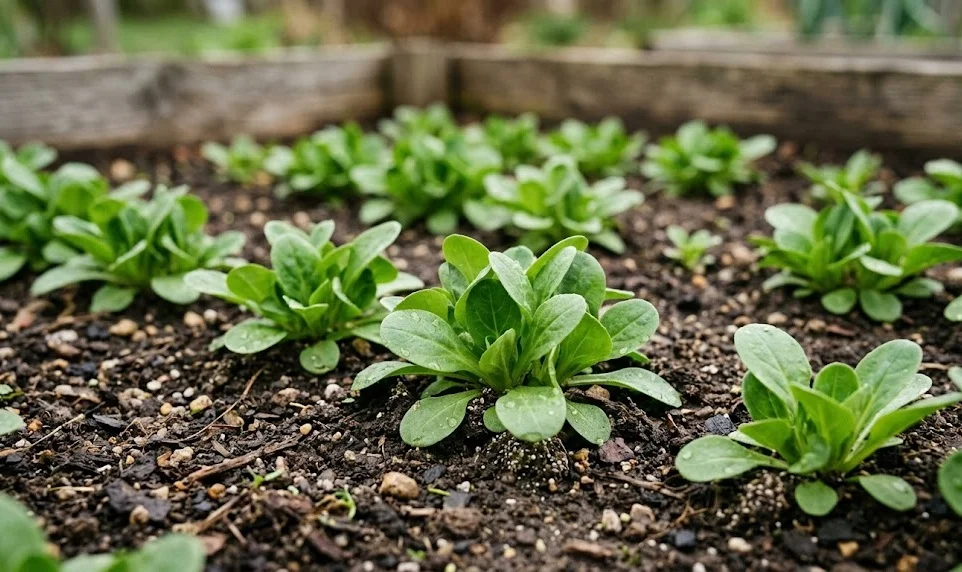

Overwintering of corn salad is one of its most remarkable characteristics, making it a staple for those who wish to harvest fresh greens during the coldest months. This plant possesses a natural ability to withstand freezing temperatures that would kill most other salad crops. However, successful overwintering requires more than just luck; it involves specific preparations to protect the plants from extreme weather events. By implementing a few professional techniques, you can ensure that your corn salad remains viable and productive throughout the winter season.
Cold hardiness is a biological trait that allows the plant to survive by concentrating sugars in its cells, which acts as a natural antifreeze. While the leaves may appear limp and frozen during a hard frost, they often recover completely once the temperature rises above freezing. It is important to avoid handling the plants while they are frozen, as the ice crystals inside the cells can cause physical damage if the leaves are bent or crushed. This natural resilience is what makes corn salad an essential component of a year-round garden plan.
Protective structures can provide an extra layer of security during periods of exceptionally cold weather or heavy snowfall. Low tunnels covered with clear plastic or heavy-duty horticultural fleece can maintain a slightly warmer microclimate around the plants. These structures also protect the leaves from the abrasive effects of wind and the weight of snow, which can cause physical breakage. Ensuring that these covers are properly anchored is vital to prevent them from blowing away during winter storms.
Winter maintenance is generally less intensive than during the summer, but it still requires regular check-ins. Watering may still be necessary if the winter is particularly dry, as frozen ground can sometimes lead to physiological drought. It is also important to ventilate any protective structures on sunny days to prevent excessive heat buildup and moisture condensation. Monitoring for mold or mildew inside these structures is crucial, as the still, damp air can become a breeding ground for pathogens.
Early spring recovery begins as the days lengthen and the soil starts to warm up, triggering a new flush of growth. This is the ideal time to remove any dead or damaged foliage that occurred during the height of winter. A light application of liquid fertilizer can help stimulate this new growth and provide the nutrients needed for a final, heavy harvest. Being ready to capitalize on this early seasonal transition ensures that you get the most out of your overwintered crop before it eventually goes to seed.