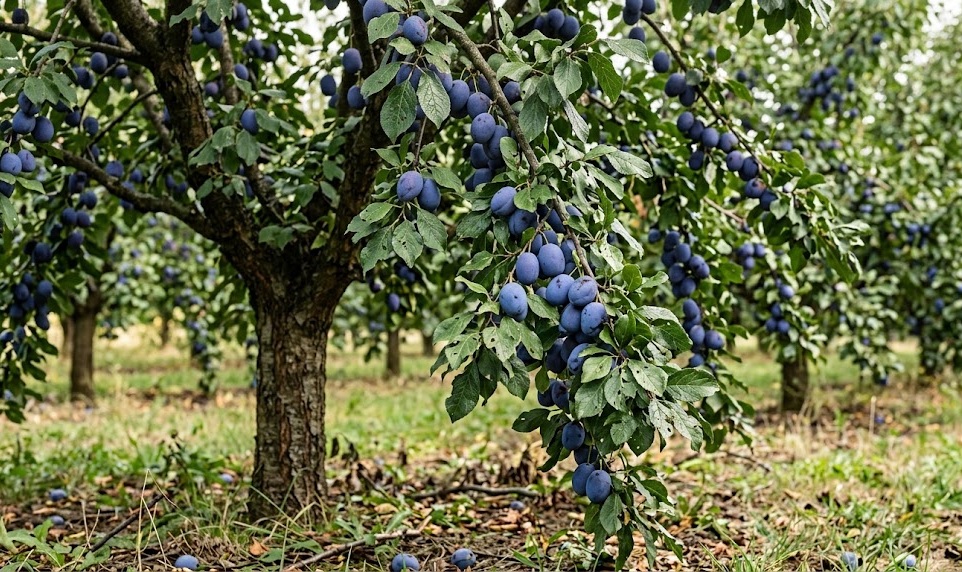

Preparing plum trees for the winter months is a critical task that ensures they survive the cold and emerge vigorous in the spring. While plums are generally hardy, extreme temperatures and winter winds can cause significant damage if the trees are not properly protected. Overwintering involves a combination of structural maintenance, root protection, and timing. This article provides professional advice on how to guide your plum trees through the dormancy period safely.
Autumn preparation and cleaning
The process of overwintering begins in the late autumn as the tree starts to withdraw its nutrients into the roots and shed its leaves. One of the most important tasks during this time is a thorough cleanup of the orchard floor to remove all fallen foliage and fruit. These organic materials can harbor fungal spores and pest eggs that will survive the winter and re-infect the tree in the spring. Raking the area clean is a simple but highly effective way to reduce the disease pressure for the following year.
Pruning in late autumn should be avoided, as it can stimulate new growth that won’t have time to harden off before the first hard freeze. This tender new wood is extremely susceptible to frost damage, which can lead to dieback and even the death of the entire branch. Instead, save your structural pruning for the late winter when the tree is fully dormant and less likely to respond with new growth. Only remove dead, diseased, or broken branches that could become a hazard during winter storms.
Final watering is a crucial step that is often overlooked by many home gardeners before the ground freezes. Even though the tree is dormant, its roots still need moisture to survive the winter, especially if the ground remains frozen for long periods. Deeply watering the soil one last time before the first freeze ensures the tree has a reservoir of moisture to draw from. Dry roots are much more vulnerable to cold damage than those in moist, well-insulated soil.
Monitoring the trunk for any signs of late-season damage from equipment or pests is also part of autumn preparation. Any wounds in the bark should be checked to ensure they are healing properly before the extreme cold sets in. Applying a dormant oil spray in the late autumn can also help kill any overwintering insect stages on the bark. This proactive approach sets the stage for a much healthier start when the weather begins to warm up again.
More articles on this topic
Mulching and insulating the root zone
Applying a thick layer of organic mulch around the base of the plum tree is one of the best ways to protect the roots from extreme cold. Mulch acts as an insulator, slowing down the rate at which the soil temperature drops and preventing the damaging cycle of freezing and thawing. This “heaving” of the soil can snap small feeder roots and expose them to the drying winter air. A four to six-inch layer of wood chips, straw, or shredded leaves is usually sufficient for most climates.
When applying winter mulch, it is important to keep the material several inches away from the trunk of the tree. If the mulch is piled against the bark, it can create a moist environment that encourages rot and provides a hiding place for rodents like voles. These small animals often gnaw on the bark of young trees during the winter, which can girdle and kill them. Maintaining a clear circle around the base of the trunk is a vital safety measure for the health of the tree.
In very cold regions, some growers use additional insulation methods such as wrapping the lower trunk with burlap or plastic tree guards. This protection is especially important for young trees with thin bark that are more susceptible to “sunscald.” Sunscald occurs when the winter sun warms the bark during the day, only for the temperature to drop rapidly at night, causing the tissues to crack. White tree paint or specialized wraps reflect the sun’s rays and keep the bark at a more consistent temperature.
Snow can also act as a natural insulator for the root zone, provided it is not too heavy and causing branches to break. If a particularly heavy snowfall occurs, you may need to gently brush the snow off the branches of young trees to prevent structural damage. However, leaving the snow around the base of the tree is actually beneficial as it provides an extra layer of protection for the soil. Understanding how to use natural and artificial insulation together is a key skill for successful overwintering.
More articles on this topic
Managing winter stressors and wildlife
Winter wildlife can pose a significant threat to plum trees when other food sources become scarce in the landscape. Deer, rabbits, and rodents may feed on the bark, buds, and young twigs, causing permanent damage to the tree’s structure. Installing a sturdy fence around the orchard or individual tree cages made of wire mesh is the most reliable way to prevent animal damage. The mesh should be buried a few inches into the ground to stop burrowing rodents from reaching the roots.
Chemical repellents can be used as a supplementary measure, but they often need to be reapplied after heavy rain or snow. These products work by creating a scent or taste that is unpleasant to animals, discouraging them from feeding on the tree. While not a permanent solution, they can be helpful during the most critical periods of the winter when animal activity is highest. Always choose repellents that are safe for use on fruit trees and won’t harm the environment.
Extreme temperature fluctuations are another major winter stressor that can affect the health of your plum trees. A sudden warm spell in late winter can sometimes trick the tree into breaking dormancy too early, making the new buds vulnerable to subsequent frosts. While you cannot control the weather, ensuring the tree is well-mulched and healthy helps it manage these transitions more effectively. Planting cold-hardy varieties is the most effective long-term strategy for dealing with unpredictable winter weather.
Winter winds can also cause “desiccation,” where the tree loses moisture through its bark and buds faster than the roots can replace it. This is a particular problem in open, exposed sites where there is little protection from the elements. Providing a windbreak, such as a hedge or a temporary screen, can significantly reduce the drying effect of the wind. A well-hydrated tree is much more resistant to this type of winter damage than one that entered the season in a state of drought.
Late winter monitoring and spring transition
As the winter begins to fade, it is important to continue monitoring your plum trees for any signs of damage or stress. Check the branches for any signs of winter kill, which often appears as darkened or shriveled wood that does not show green when lightly scratched. If you find dead wood, plan to prune it out once the tree is ready to enter its spring growth phase. Late winter is also the ideal time for your main structural pruning while the tree is still dormant.
Checking the integrity of your tree guards and fencing is an ongoing task throughout the late winter months. Heavy snow or strong winds can sometimes dislodge these protective structures, leaving the tree vulnerable to animal damage. Making small repairs as soon as you notice them ensures that your trees remain protected until they are ready to grow again. This attention to detail is what separates a professional grower from a casual gardener.
The transition from winter to spring is a delicate time when the tree is waking up and becoming active again. Avoid applying heavy fertilizers or excessive water until you see the first signs of bud swell and new growth. The tree’s metabolic needs are still low during the early transition phase, and over-stimulating it can cause issues. Patience is required as you wait for the soil to warm up and for the tree to naturally begin its annual lifecycle.
Finally, take some time to reflect on how your overwintering strategies performed during the season. Did the mulch stay in place, and were the trees well-protected from wildlife and the cold? Use these observations to refine your approach for the following year, making adjustments based on the specific challenges you faced. Successful overwintering is a continuous learning process that improves the longevity and productivity of your plum orchard.