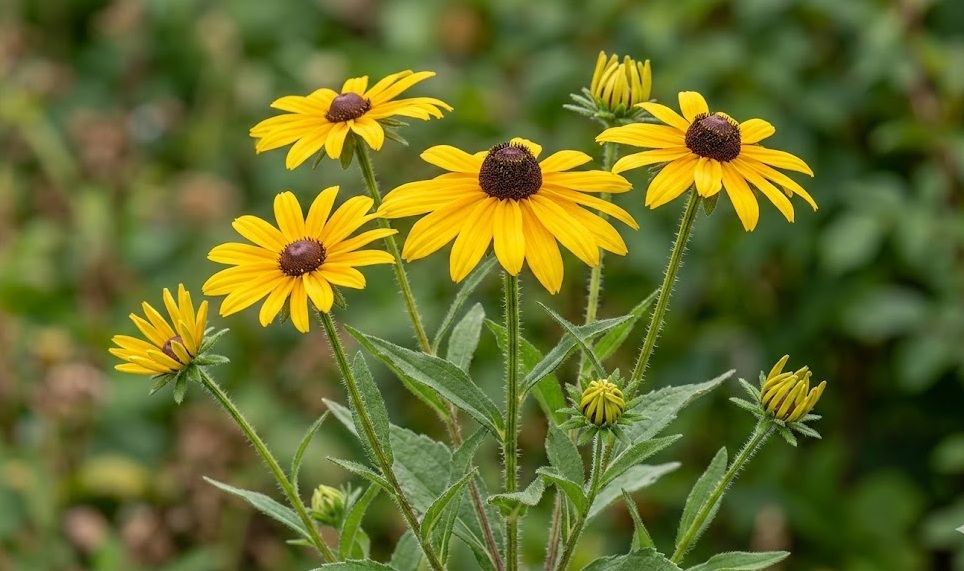

The transition from the vibrant days of summer to the quiet dormancy of winter is a natural cycle that requires specific preparation. While these plants are hardy enough to survive cold temperatures, a few professional steps can ensure they return with vigor in the spring. Protecting the root systems and managing the physical remains of the season are the primary goals of a winter care routine. This article outlines the best practices for preparing your garden for the colder months and ensuring the longevity of your floral displays.
Preparing for winter is as much about the soil as it is about the plants themselves, as the ground provides the insulation they need. You should ensure that the garden beds are well-hydrated before the first hard freeze, as moist soil holds heat better than dry earth. This moisture also helps the plants remain resilient through the drying winds of winter that can often cause more damage than the cold. A final deep watering in the late autumn is a professional way to give your garden a head start on the next season.
Choosing when to cut back the foliage is a decision that depends on your personal preference and the needs of your local wildlife. Some gardeners prefer to leave the stems standing to provide winter interest and a source of food for birds. Others prefer a cleaner look and choose to trim the plants back to a few inches above the ground once the foliage has turned brown. Both approaches are valid, but a professional knows that removing any diseased material is non-negotiable before the snow falls.
Mulching for winter protection is a critical step, especially in regions where the temperatures fluctuate significantly. A layer of organic material acts like a blanket, keeping the soil temperature more consistent and preventing the cycle of freezing and thawing. This cycle can sometimes push plants out of the ground, a process known as frost heaving, which can damage the roots. Applying a fresh layer of mulch in the late autumn is a simple yet professional way to safeguard your investment.
Container-grown plants require special attention because their roots are much more exposed to the cold than those in the ground. You may need to move your pots to a more sheltered location, such as an unheated garage or a protected corner of the patio. Wrapping the containers in burlap or bubble wrap can also provide an extra layer of insulation against the most extreme temperatures. A professional approach to container gardening involves planning for these winter logistics long before the first frost arrives.
More articles on this topic
Late season preparations
As the days grow shorter and the temperatures begin to drop, you will notice the growth of your plants slowing down significantly. This is the signal to stop any fertilizing, as you do not want to encourage new, tender growth that will not survive the winter. You should also begin to reduce the frequency of your watering, allowing the plants to gradually transition into their dormant state. This natural slowing down is an essential part of the plant’s life cycle that prepares it for the months ahead.
Cleaning up the garden bed is an important task that should be completed before the ground becomes too cold or frozen. You should remove any weeds that might have popped up in the late season so they do not have a chance to go to seed. Clearing away fallen leaves from other trees can also be helpful, as a thick mat of wet leaves can sometimes lead to rot. A professional cleanup sets the stage for a much easier spring and reduces the risk of pests and diseases overwintering in your garden.
Inspecting the structure of your plants one last time can help you identify any potential issues before they are covered by snow. Look for any signs of damage or disease that might have been hidden by the lush growth of summer. If you find any concerning areas, address them now by pruning or removing the affected parts to prevent further spread. Being thorough in your late-season inspections is a hallmark of a professional who cares about the long-term health of their landscape.
Gathering seeds from your favorite plants is a rewarding autumn task that allows you to expand your garden in the following year. Wait until the seed heads are completely dry and the seeds inside are dark and firm before harvesting them. Store the seeds in a cool, dry place in paper envelopes until you are ready to start them in the spring. This traditional professional practice ensures that you have a steady supply of new plants without any extra cost.
More articles on this topic
Mulching for root protection
The main purpose of winter mulch is to act as a temperature buffer for the soil and the delicate root systems below the surface. You should wait until the ground has chilled but before it has frozen solid to apply your final layer of protection. Use materials like straw, shredded bark, or evergreen boughs that allow for some air circulation while providing excellent insulation. A layer of about three to four inches is typically sufficient for most professional gardening and agricultural applications.
Frost heaving is a common problem in areas with heavy clay soil that can be mitigated through proper mulching techniques. When the soil expands and contracts during temperature changes, it can literally lift the plant’s crown out of the ground. By keeping the soil at a more stable temperature, you are protecting the integrity of the root system and the health of the plant. A professional gardener checks their beds after a mid-winter thaw to ensure all the plants are still firmly in place.
Be careful not to pile the mulch directly against the stems of the plants, as this can trap moisture and lead to rot. You should leave a small space around the base of the crown to allow the plant to breathe and to prevent pests from nesting too close. This “donut” style of mulching is a professional standard that provides protection without creating new problems. Consistency in your application will lead to a much more successful overwintering experience for all your perennials.
In the early spring, you will need to gradually remove the mulch as the temperatures begin to rise and the first shoots appear. Do not be in too much of a hurry, as a late frost can still damage the tender new growth if it is left unprotected. You can thin the layer of mulch over several days, allowing the plants to acclimate to the changing conditions slowly. This professional transition from winter protection to spring growth is key to a healthy and vibrant start to the season.
Managing winter dormancy
Dormancy is a state of deep rest that allows the plant to survive the harsh conditions of winter by conserving its energy. During this time, the visible parts of the plant may look dead, but the roots are still alive and waiting for the return of warmer weather. It is important to respect this period and avoid disturbing the soil or the plants until they show signs of new growth. A professional gardener understands that this rest is just as important as the active growing season.
Winter wind can be just as damaging as the cold, as it pulls moisture out of the dormant stems and can cause them to become brittle. If you live in an especially windy area, providing a temporary windbreak made of burlap or lattice can be very beneficial. This extra step is often seen in professional landscapes where the goal is to preserve the form and health of prized specimens. Protecting the physical structure of your garden will lead to a more attractive and resilient display in the spring.
Monitoring the moisture levels in the soil during a dry winter is a professional habit that many people overlook. If there is no snow cover and the ground is not frozen, you may need to provide a small amount of water during a warm spell. Dry soil can cause the roots to desiccate, which makes it much harder for the plant to recover when the growing season begins. Always check the soil condition before assuming that nature is providing everything your garden needs.
Wildlife can sometimes use your dormant garden as a source of food or shelter, which can have both benefits and drawbacks. While birds will appreciate any leftover seeds, rabbits and deer may nibble on the crowns of the plants if other food is scarce. You may need to use fencing or repellents to protect your garden from being over-grazed during the long winter months. Finding a balance between supporting local nature and protecting your plants is part of professional garden management.
Early spring recovery
The first signs of life in the garden are always an exciting moment for any professional or enthusiast gardener. You will notice small green shoots emerging from the center of the dormant clump as the soil begins to warm up. This is the time to remove any remaining dead foliage and clean up the area to allow the new growth to reach the sun. A quick application of a balanced fertilizer can provide the extra energy the plant needs to start the season strongly.
Checking for any damage that occurred over the winter will help you decide if any repairs or replacements are needed. If a plant has been pushed out of the ground by frost, gently press it back into the soil and add a bit of fresh earth around it. If some sections of the plant did not survive, you can prune them away to make room for the healthy parts to expand. Being proactive during this recovery period is essential for getting the best performance out of your garden.
As the weather becomes more stable, you can resume your regular watering and weeding routine to support the rapidly growing plants. The work you did in the autumn and winter will pay off now as your garden comes back to life with minimal effort. This transition is a great time to reflect on what worked well and what you might want to change for the next year. Professionalism in gardening is a cycle of preparation, care, and learning that continues through every season.
Watching your garden transform from a quiet, brown landscape into a sea of green and gold is one of the true joys of the craft. Each year brings new opportunities to improve your techniques and see the results of your hard work and planning. By following these professional overwintering steps, you are ensuring that your floral displays will be a source of pride for many years to come. The resilience of nature, combined with your attentive care, is a powerful combination for any landscape.