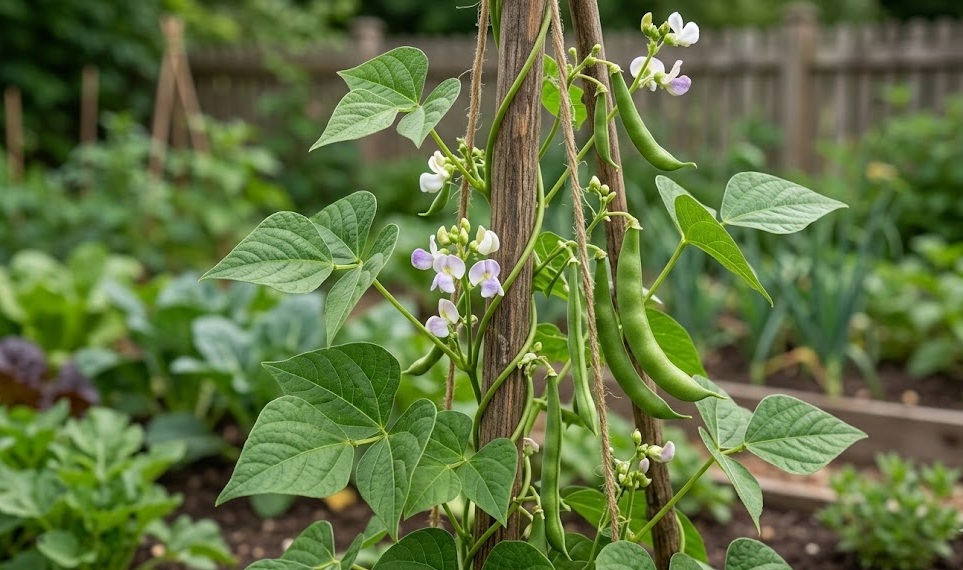

While most common garden beans are treated as annuals that complete their life cycle in a single season, the concept of overwintering is vital for soil health and specific perennial varieties. You must understand that the end of the summer harvest does not mean your responsibilities in the garden are finished for the year. Preparing the ground and protecting any sensitive roots is a professional practice that ensures a successful start for the following spring. Strategic planning during the autumn months will pay dividends when the weather begins to warm up again.
Most beans are highly sensitive to frost and will perish as soon as the temperatures drop below freezing. However, some species, like the Scarlet Runner bean, develop tuberous roots that can survive the winter in milder climates if they are properly protected. You should cut the vines back to about 10 centimeters above the ground once the first light frost has blackened the foliage. This allows the plant to go into a dormant state while the roots remain alive beneath the surface, ready to sprout new growth when the soil warms up.
Providing thick insulation is the key to successfully overwintering these perennial bean roots in the garden. You should apply a layer of mulch at least 15 to 20 centimeters deep over the crown of the plant using straw, wood chips, or fallen leaves. This protective blanket keeps the soil temperature more stable and prevents the freeze-thaw cycles that can heave roots out of the ground. In colder regions, you might even consider placing a wooden crate or a piece of heavy fabric over the mulched area for added protection against icy winds.
If you live in a climate with very harsh winters, you might need to dig up the tuberous roots of your perennial beans and store them indoors. You should treat them similarly to dahlia tubers, cleaning off the excess soil and placing them in a box of dry sand or peat moss. Store the container in a cool, frost-free location like a basement or an insulated garage where the temperature stays between 5 and 10 degrees Celsius. Check the tubers periodically throughout the winter to make sure they are not rotting or drying out completely.
Soil protection and cover cropping
For the vast majority of annual beans, the “overwintering” process is actually about protecting the valuable soil they grew in. You should never leave your garden beds bare over the winter, as this leads to erosion, nutrient leaching, and the loss of beneficial soil life. A professional approach involves planting a winter cover crop, such as cereal rye or crimson clover, immediately after the final bean harvest. These plants act as a “green blanket” that holds the soil in place and captures any residual nitrogen left behind by the legumes.
More articles on this topic
Cover crops also serve to improve the soil structure by adding organic matter when they are tilled under in the spring. You will find that the roots of these winter plants help to break up compacted soil and provide a habitat for earthworms and helpful microbes. If you prefer a no-till approach, you can simply mow the cover crop down in the spring and plant your new seeds directly into the residue. This method mimics the natural cycle of the forest floor and creates a rich, fertile environment for your next crop of beans.
If you decide not to plant a cover crop, you must at least cover the empty bean beds with a thick layer of organic mulch. You can use the chopped-up remains of the bean plants themselves, provided they were healthy and free of diseases like anthracnose or white mold. This recycling of biomass keeps the nutrients in the system and prevents the soil from becoming crusty and lifeless during the cold months. By the time spring arrives, much of the mulch will have decomposed, adding to the humic content of your garden soil.
Managing the moisture levels in your garden beds during the winter is another professional consideration that many beginners overlook. While you won’t be watering your plants, you should ensure that the beds are not becoming waterlogged due to poor drainage or melting snow. If your garden is prone to standing water, you might want to create small drainage channels or build up the height of your raised beds before the winter settles in. Dry, well-insulated soil is much less likely to cause root issues for any perennial plants you are trying to save.
Greenhouse and indoor management
For the serious enthusiast, overwintering beans can also involve moving certain varieties into a heated greenhouse or a bright indoor space. This allows you to potentially extend the harvest into the early winter or to keep rare heirloom varieties alive for another year. You should choose containers that are large enough to accommodate the root systems and ensure they have excellent drainage to prevent rot. Keeping the plants indoors requires careful monitoring of light levels, as the short winter days are often not enough to support active growth.
More articles on this topic
Supplementing natural light with high-quality grow lights is often necessary if you want your beans to continue producing pods during the winter months. You should aim for about 12 to 14 hours of light to mimic the conditions of a summer day and keep the plants’ metabolism active. Be mindful of the humidity levels in your home or greenhouse, as indoor air is often very dry during the heating season. Using a small humidifier or placing the pots on trays of wet pebbles can help maintain the 50-60% humidity that beans prefer.
Pest management remains a concern even during the winter when you bring your garden plants indoors. You might find that aphids or spider mites become more of a problem in the warm, stagnant air of a greenhouse or living room. You should inspect your plants weekly and use the same organic control methods you would use in the summer garden. Keeping the air moving with a small fan can go a long way in preventing pest outbreaks and the development of indoor fungal issues.
Feeding your indoor bean plants requires a more cautious approach than in the outdoor garden because their growth is naturally slower. You should use a diluted liquid fertilizer every few weeks to provide the essential nutrients without risking a buildup of salts in the potting mix. If the plants begin to look yellow or tired, it might be a sign that they need a bit more light rather than more food. Overwintering beans indoors is a challenging but rewarding professional endeavor that allows you to enjoy fresh produce regardless of the weather outside.
Preparing for the spring transition
As the winter begins to fade, your focus should shift toward preparing your overwintered plants and soil for the upcoming growing season. You should begin by gradually removing the heavy winter mulch as soon as the danger of deep ground freezes has passed. This allows the sun to reach the soil surface and begin the vital process of warming it up for new plantings. If you have perennial roots in the ground, you should start looking for the first signs of green shoots emerging from the crown.
For the roots you stored indoors, the transition back to the garden should be done with great care to avoid transplant shock. You can “wake up” the tubers by placing them in a warm, bright spot and giving them a small amount of water a few weeks before the last frost date. Once the soil in the garden has reached at least 15 degrees Celsius, you can replant them in their permanent summer positions. This head start often results in much larger plants and an earlier harvest compared to starting from seeds.
If you used cover crops, you should decide on your termination method about three to four weeks before you plan to plant your new beans. You can choose to till the green manure into the soil, which speeds up decomposition but can disturb the soil biology. Alternatively, you can use a “crimper-roller” technique to flatten the crop and create a natural mulch that you plant right through. This professional decision should be based on your soil type and the specific tools you have available in your gardening arsenal.
The final step in the overwintering cycle is to reflect on what worked and what didn’t during the cold months. You should update your garden journal with notes on which insulation methods provided the best protection and how your soil looks after the winter rest. This continuous learning process is what separates a professional gardener from a hobbyist and ensures that each year is more successful than the last. With your soil rested and your perennials revived, you are ready to start another productive season of bean cultivation.